






Why Dilution Is a Last Resort
The most common instinct when a soup, stew, or sauce is too salty is to add more water or unsalted broth. While this does technically work by increasing the volume of the dish, it comes at a cost. Dilution doesn't just reduce the saltiness; it waters
down every other flavour you’ve carefully built. All the aromatic vegetables, rich spices, and savoury depth get muted, leaving you with a bland, washed-out version of your original creation. Sometimes you have no other choice, but treating dilution as the only fix is a rookie mistake. A chef’s approach isn’t to erase flavour, but to add complementary elements that create harmony. Think of it as a culinary course correction, not a total reset.
The Bright Power of Acidity
One of the most effective tools for counteracting salt is acid. A splash of lemon juice, a dash of mild vinegar like apple cider or white wine vinegar, or even some unsalted tomato paste can work wonders. Acidity doesn't actually remove the salt. Instead, it creates a diversion for your taste buds. The bright, sharp flavour cuts through the overwhelming saltiness, making it less perceptible and adding a new layer of complexity to the dish. Start small, adding just a little at a time and tasting as you go. The goal is to balance the salt, not to make the dish taste sour. For many dishes, this acidic lift is all that’s needed to bring them back from the brink.
Harnessing the Richness of Fat
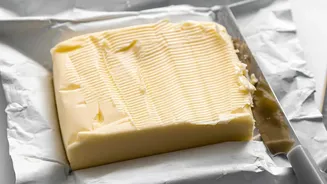
Fat is another powerful ally in the fight against oversalted food. Ingredients rich in fat—like heavy cream, coconut milk, yogurt, butter, or even avocado—work by coating the tongue and essentially acting as a barrier for your taste buds. This mellows the perception of saltiness, making it seem less potent. For a curry or soup, stirring in full-fat coconut milk or a dollop of plain yogurt can add richness while taming the salt. In a pasta sauce, a knob of unsalted butter or a splash of cream can smooth out the flavour beautifully. This method not only salvages your dish but often enhances its texture, making it more luxurious and velvety.
A Touch of Sweetness for Balance
The classic pairing of sweet and salty exists for a reason: they balance each other perfectly. Adding a small amount of a sweet ingredient can help mask and counteract an overly saline flavour. A pinch of sugar, a drizzle of honey, or a touch of maple syrup can be surprisingly effective. This technique works by creating a competing flavour that distracts from the salt, rounding out the dish's overall taste profile. It’s particularly useful in sauces, glazes, and some stews where a subtle sweetness is welcome. The key is moderation. Add the sweetener a tiny bit at a time and stir thoroughly, tasting after each addition to avoid making your savoury dish accidentally dessert-like.
The Starchy Solution (With a Caveat)
You may have heard the old trick of adding a raw, peeled potato to a salty soup to absorb the excess salt. While many swear by this, the culinary world is divided. A potato primarily absorbs the salty liquid itself, not just the salt, so its effect is a form of subtle dilution. However, adding starchy ingredients with the intention of keeping them in the dish is a fantastic strategy. Tossing in some cooked, unsalted rice, pasta, or beans can effectively bulk up the meal and distribute the salt across a larger volume of food, making each bite less intense. This method is essentially a smarter, more flavourful way to dilute, as you’re adding substance, not just water.