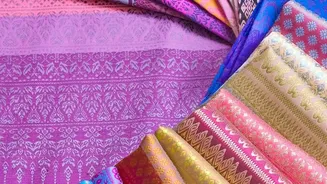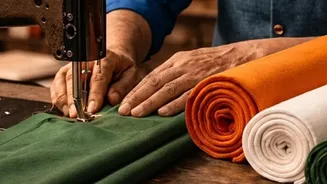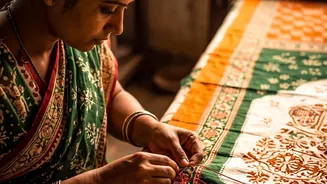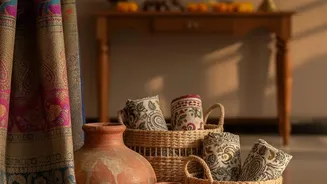

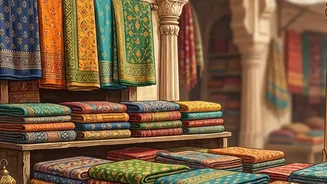
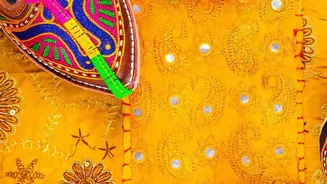
In a world seeking sustainability and authenticity, a quiet revolution is happening in Indian homes. The age-old wisdom of repurposing fabric is being rediscovered, transforming worn textiles into stunning decor that tells a powerful story.
More Than Just Recycling
The practice
of creating wealth from waste is deeply ingrained in Indian culture. Long before 'upcycling' became a global trend, generations of women were breathing new life into old textiles, driven by both frugality and artistry. This was not just about saving money; it was about preserving memories and resources. A mother's worn-out silk sari or a father's soft cotton dhoti were not discarded but lovingly transformed into objects of comfort and beauty. Today, this philosophy resonates strongly with a modern desire for conscious consumption. Choosing a piece of recycled fabric art is a vote for sustainability, a celebration of handmade imperfection, and a way to embed a tangible piece of history into a contemporary living space. These textiles offer a story that mass-produced items simply cannot match.
Kantha: The Running Stitch of Bengal
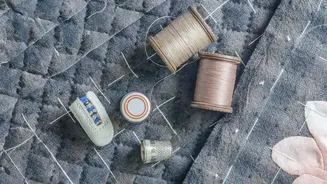
Originating from the Bengal region, Kantha is perhaps the most famous of India's recycled fabric arts. The technique is beautifully simple yet endlessly versatile: layers of old saris or dhotis are stacked and stitched together with a simple running stitch, known as the 'kantha stitch'. This process turns thin, worn fabrics into soft, durable textiles. Traditionally used to make light quilts (lepkantha) and bedspreads (sujni kantha), the craft has evolved dramatically. Today, designers are using Kantha fabrics for everything from vibrant cushion covers and throws that add a bohemian touch to a minimalist sofa, to unique upholstery for chairs and even framed textile art. The dense, rippling texture created by the stitches, often depicting motifs from nature and folklore, brings an immediate sense of warmth and narrative to a room.
Godhadi: The Quilted Comfort of Maharashtra
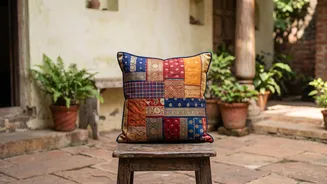
Travel west to Maharashtra and Gujarat, and you'll find the heartwarming tradition of the Godhadi (also called Gudri). Much like Kantha, a Godhadi is a quilt made from layers of used cloth, but its construction often involves patchwork, creating a mosaic of colours and memories. These quilts were traditionally made by women in the family, with each patch coming from a piece of clothing that held sentimental value. The result is a deeply personal and functional object, often passed down through generations. In a modern home, a Godhadi serves as more than just a warm blanket. Draped over the foot of a bed or the arm of a sofa, its vibrant, multi-fabric design adds a layer of nostalgia and handcrafted charm. It’s an instant antidote to sterile interiors, making a space feel lived-in and loved.
Chindi: The Woven Wonders of Waste
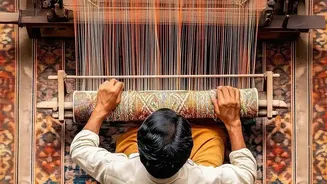
Chindi art is born from 'chindi', the Hindi word for scraps or torn pieces of cloth. This craft takes the smallest remnants of textile waste from households or industrial production and weaves them into something entirely new. The most common and beloved Chindi products are rugs and dhurries. Artisans braid or weave these colourful fabric strips together, creating vibrant, textured floor coverings that are both durable and eco-friendly. No two Chindi rugs are exactly alike, offering a unique burst of colour and personality. They are perfect for adding a playful, eclectic touch to a living room, bedroom, or even a hallway. Beyond rugs, Chindi weaving is also used to create everything from placemats and coasters to bags and decorative wall hangings, proving that even the smallest scraps can be transformed into functional art.
Integrating Heritage Into Your Home
Bringing these crafts into your home doesn't require a complete design overhaul. The beauty of these textiles lies in their ability to complement modern aesthetics. A single, colourful Kantha quilt can become the statement piece in an otherwise neutral bedroom. A set of patchwork Godhadi cushion covers can liven up a plain sofa. A vibrant Chindi rug can anchor a minimalist living space, adding warmth and texture. The key is to find a balance. Pair these bold, story-rich textiles with clean lines and contemporary furniture to let their craftsmanship shine. By doing so, you are not just decorating; you are curating a home that reflects a deep appreciation for artistry, sustainability, and the enduring power of Indian craft heritage.