





The Difference in a Nutshell: Processing
The primary distinction between these two oils lies in how they are made. Refined oils undergo an intensive industrial process involving high heat and chemical solvents like hexane to extract the maximum amount of oil. This process includes bleaching
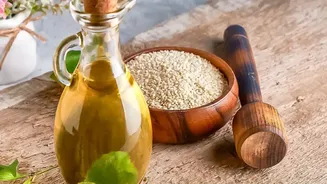
to remove colour and deodorising to create a neutral-tasting, long-lasting product. While efficient, this strips the oil of many of its natural nutrients, flavours, and aromas. In stark contrast, cold-pressing is a mechanical method. Traditionally known as 'ghani' or 'kolhu' in India, this process involves crushing sesame seeds at low temperatures, without chemicals or high heat. This gentle extraction preserves the oil's natural integrity, including its nutrients, distinct nutty flavour, and aroma.
A Question of Health and Nutrition
The growing awareness around health is a major driver behind this consumer shift. Cold-pressed sesame oil retains antioxidants like sesamol and sesamin, as well as Vitamin E, which are largely lost during the high-heat refining process. These antioxidants help combat oxidative stress in the body. Furthermore, cold-pressed sesame oil is rich in heart-friendly polyunsaturated and monounsaturated fats, which have been shown to help lower bad cholesterol (LDL) and increase good cholesterol (HDL). Conversely, the high-heat processing of refined oils can not only strip away these beneficial compounds but also potentially create harmful trans fats. Many consumers now see the choice as one between an oil that offers empty calories and one that provides genuine nutritional benefits.
Returning to Authentic Flavour
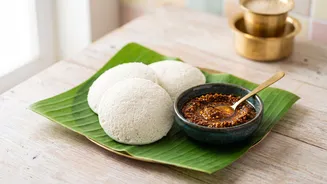
For generations, the distinct, nutty taste of sesame oil was a cornerstone of many regional Indian cuisines. The refining process deliberately removes this character to create a bland, neutral oil that doesn't 'interfere' with the food. However, many cooks are now realising that this neutrality comes at the cost of authenticity. Cold-pressed sesame oil brings its own unique flavour profile that enhances dishes, from simple dals and chutneys to more complex curries. This return to cold-pressed oil is not just about health; it's about reconnecting with traditional culinary wisdom and making food that tastes the way it was meant to. The aroma and taste are no longer seen as something to be removed but as integral components of a dish's final character.
Practicality in the Kitchen
A common myth is that cold-pressed oils are not suitable for regular Indian cooking due to a low smoke point. While refined oils often have a very high smoke point, cold-pressed sesame oil has a moderate smoke point of around 177°C (350°F). This makes it perfectly suitable for most everyday Indian cooking techniques, including tempering (tadka), sautéing, and light frying. It is not ideal for deep frying at very high temperatures, but for the majority of daily meals, it performs well without breaking down and losing its nutritional properties. Consumers are learning to use the right oil for the right job, valuing the nutritional and flavour benefits of cold-pressed oil for their daily cooking needs.
The Cost of Purity vs. The Price of Health
There is no denying that cold-pressed oils are generally more expensive than their refined counterparts. The extraction process is slower and yields less oil per batch compared to industrial methods, which contributes to the higher price point. However, an increasing number of consumers are reframing this cost as an investment in their long-term health. The growing preference for chemical-free, unrefined, and organic products shows a willingness to pay a premium for transparency and quality. As availability improves in supermarkets and online, this once-niche product is becoming a mainstream choice for households that prioritise wellness and flavour over just cost.