


From Festive Treat to Daily Staple
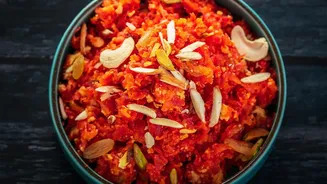
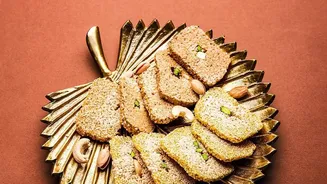
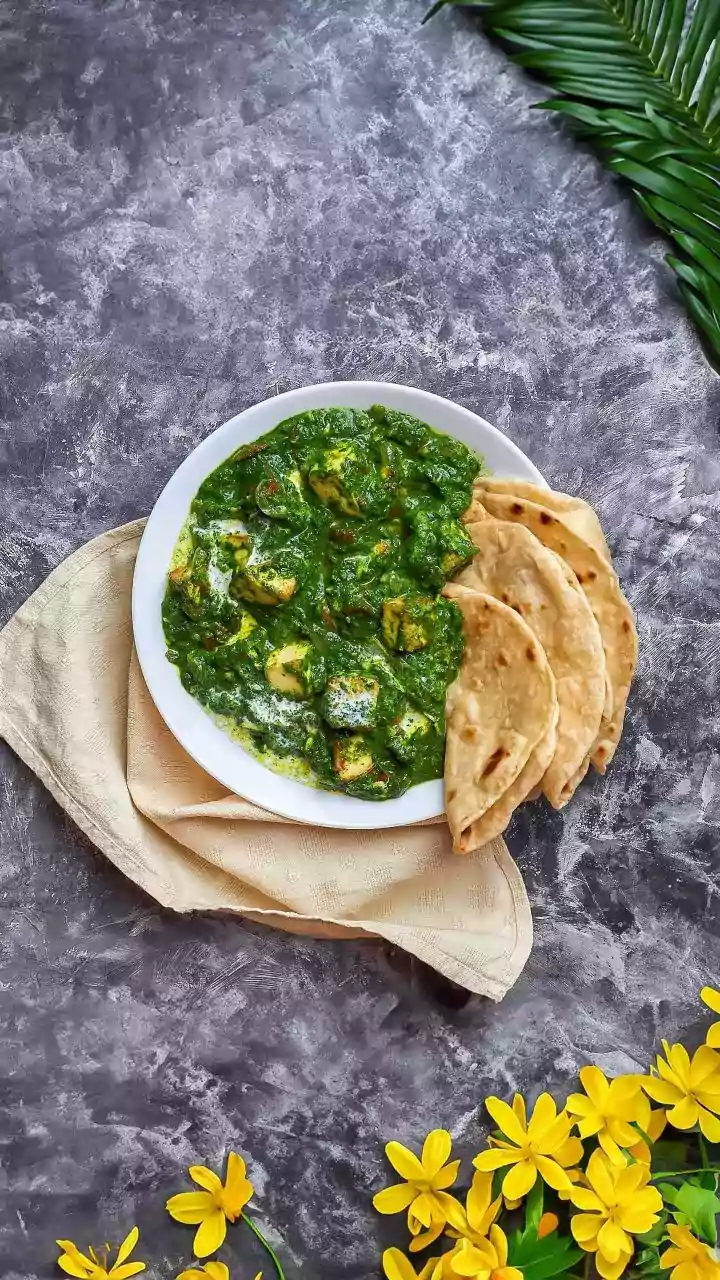
Traditionally, nuts like almonds and pistachios were the jewels of Indian cuisine, studding barfis, enriching biryanis, and forming the base of ‘shahi’ gravies. They signified richness and celebration. Fast forward to today, and that perception has been
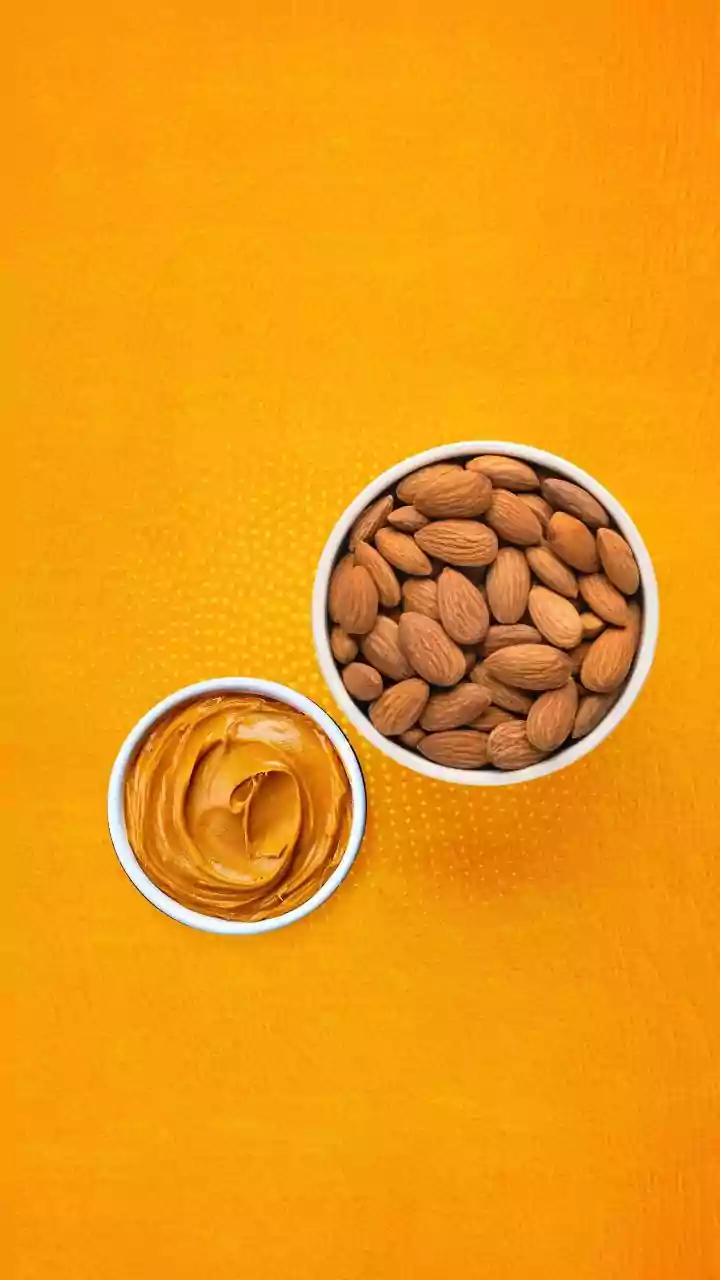
completely transformed. A handful of almonds is now a common breakfast item, roasted seeds are a go-to evening snack, and nut butters are finding their way onto toast in homes across urban India. What was once a luxury has become a fundamental part of the daily diet, reflecting a major evolution in how Indians approach their food.
The Post-Pandemic Health Awakening
The single biggest driver of this trend is a nationwide surge in health consciousness. The COVID-19 pandemic, in particular, made immunity and preventative health top priorities for millions. Consumers are now actively seeking out foods that are high in protein, fibre, and essential nutrients. Nuts and seeds perfectly fit this new demand for “functional foods”—items that offer health benefits beyond basic nutrition. With rising instances of lifestyle diseases, people are more conscious of their dietary habits and are shifting towards snacks that contribute to long-term wellbeing. This has propelled the healthy snacks market in India, which is projected to grow significantly in the coming years.
Convenience for the Urban Indian
As urban lifestyles become more compressed and schedules get busier, convenience has become non-negotiable. Nuts and seeds offer the perfect solution: they are portable, require no preparation, and provide a quick dose of energy and nutrients. The market has responded with an explosion of convenient options, from small, single-serving packets of mixed nuts to roasted seed blends in a variety of flavours. This move towards on-the-go, ready-to-eat healthy options is a direct answer to the needs of working couples, nuclear families, and busy professionals who are unwilling to compromise on health despite their time constraints.
The E-commerce and D2C Boom
The rise of nuts and seeds is inseparable from the growth of e-commerce. Online platforms, including quick-commerce apps and direct-to-consumer (D2C) brands, have made a vast array of high-quality products accessible to people across the country, not just in major metros. Consumers can now easily buy everything from Californian almonds to pumpkin seeds and chia seeds, which were once niche items. This digital revolution has also allowed brands to communicate directly with consumers, educating them on the benefits of different products and building trust. Festivals, in particular, have become a major driver for online sales of premium nuts and dried fruits.
A Culinary and Kitchen Renaissance
Beyond just snacking, nuts and seeds are being integrated into daily cooking in new and creative ways. Home cooks and professional chefs alike are using them to add texture, nutrition, and flavour. Almond flour is used in baking, seed mixes are sprinkled over salads and oatmeal, and cashew paste continues to be a go-to for creating creamy, dairy-free curries. The wellness trend has also popularised smoothie bowls topped with a variety of seeds and nuts, while ground walnuts are being used to thicken gravies. This culinary experimentation signals a deeper integration of these ingredients into the modern Indian palate, moving far beyond their traditional roles.
Beyond the Usual Suspects
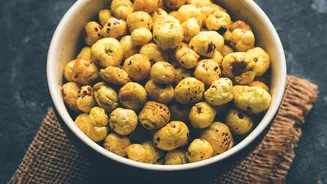
While almonds and cashews remain popular, the Indian consumer is now exploring a much wider variety. Seeds that were relatively unknown a decade ago, such as chia, flax, pumpkin, and sunflower seeds, are now common household items. This expansion is driven by both global wellness trends and a renewed interest in traditional Indian superfoods. As consumers become more label-conscious and knowledgeable about specific nutritional benefits—like omega-3s from flaxseeds or protein from pumpkin seeds—the demand for a more diverse range of products continues to grow. This has created a dynamic market where both traditional favourites and new discoveries thrive side-by-side.