


For millions of contact lens wearers, daily routines can feel automatic. But a simple, seemingly harmless act—like showering or rinsing a lens case with tap water—hides a significant risk that could threaten your vision. Here’s why.
The Hidden Danger in 'Clean' Water
It’s a common misconception
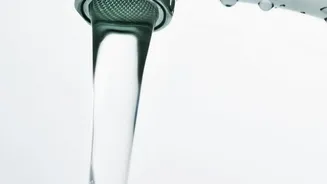
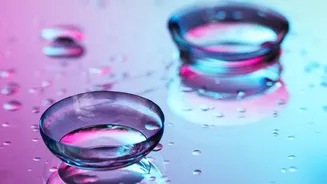
that tap water, which is safe to drink, is also safe for contact lenses. However, tap water is not sterile. It contains a host of microorganisms, and one of the most dangerous is a microscopic amoeba called Acanthamoeba. This organism is commonly found in nearly all water sources, including tap water, lakes, oceans, swimming pools, and hot tubs. While harmless under normal circumstances, it poses a serious threat when it comes into contact with your eyes via contact lenses. Your lenses can act like a sponge, absorbing water and trapping the amoeba directly against your cornea, creating a perfect environment for infection.
Understanding Acanthamoeba Keratitis
When Acanthamoeba infects the cornea—the clear, dome-shaped front surface of your eye—it causes a severe and intensely painful infection called Acanthamoeba keratitis. This condition is rare but is most common in contact lens wearers, accounting for the vast majority of cases. The amoeba can burrow into the corneal tissue, causing inflammation that can lead to permanent scarring, vision loss, and in the most severe cases, blindness or the need for a corneal transplant. Treatment is often difficult and can last for a year or more.
Swimming, Showering, and Hot Tubs
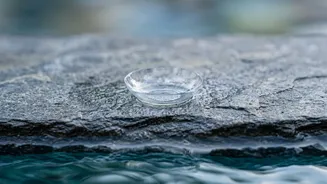
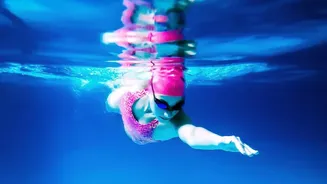
The rule is simple: water and contact lenses should never mix. This includes showering, bathing, and swimming. Water can cause soft contact lenses to swell, change shape, and stick to your eye, which can be uncomfortable and may even scratch the cornea. A microscopic scratch provides an easy entry point for bacteria and other germs. Even chlorinated pool water and hot tubs are not safe, as the chemicals do not reliably kill the resilient cyst form of Acanthamoeba. Health authorities like the CDC and FDA strongly advise removing lenses before any activity that involves water touching your eyes.
Symptoms You Must Not Ignore
An eye infection from contact lenses can escalate quickly, so recognizing the early signs is crucial. If you experience any of the following symptoms, remove your lenses immediately and consult an eye doctor: intense eye pain, persistent redness, blurred or hazy vision, a feeling that something is stuck in your eye, extreme sensitivity to light, or unusual tearing and discharge. A key sign of infection is that these symptoms do not improve after you take your lenses out. A white or grey spot on the cornea requires urgent medical attention.
Your Guide to Safe Lens Care
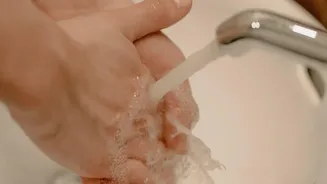
Preventing serious infections comes down to practicing good hygiene every single time you handle your lenses. Always wash and dry your hands thoroughly before touching your contacts. Never use tap water, bottled water, or homemade saline to rinse or store your lenses or their case; only use fresh, commercially prepared sterile solution. When cleaning your lenses, practice the 'rub and rinse' method as directed by your eye doctor and the solution manufacturer. Finally, replace your contact lens case at least every three months, as old cases can become a breeding ground for germs. If you must see while swimming, prescription goggles are a much safer alternative.