





Tackle Textiles and Fabrics First
Humidity’s first victim is often our soft furnishings. Heavy curtains, thick carpets, and extra cushions trap moisture, leading to a persistent damp smell. Now is the perfect time to switch them out. Replace heavy drapes with lighter, sheer curtains that
allow better air circulation and let in scarce sunlight. Roll up and store your plush carpets and rugs; bamboo or plastic mats are a smarter choice for the season. Wash your bedsheets and cushion covers more frequently, at least once a week. When washing, adding half a cup of white vinegar to the rinse cycle can help kill mould spores and neutralise odours without leaving a smell. Ensure everything is bone-dry before storing it away.
Declutter and Defend Your Wardrobe
Cupboards are a prime breeding ground for mildew during the rains. The key is to improve air circulation. Avoid overstuffing your wardrobe; leave some space between garments. This is a great opportunity to pack away heavy silks or occasion wear you won't be using. Store them in breathable cotton bags, never plastic, as plastic traps moisture. To combat dampness, place moisture absorbers inside. Silica gel packets, camphor balls, or even a small bowl of baking soda or rock salt can work wonders at absorbing excess moisture and keeping clothes smelling fresh. You can also hang sachets of dried neem leaves or cloves as a natural, insect-repelling alternative.
Reset the Air and Banish Musty Odours
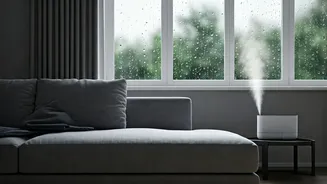
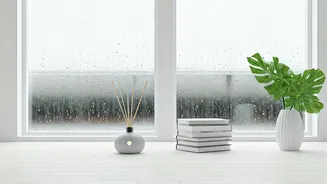
Even a clean home can smell musty when it’s constantly damp. The solution is to manage both humidity and odours. Whenever it’s not raining, open windows on opposite sides of the house to create cross-ventilation. This simple act is one of the most effective ways to reduce indoor humidity. For a natural air freshener, simmer citrus peels like orange or lemon with cloves in a pot of water. The warm, spicy aroma will permeate your home. Alternatively, place bowls of used coffee grounds or baking soda in corners to absorb bad smells. For a lingering pleasant fragrance, consider using essential oil diffusers with scents like eucalyptus, lemongrass, or lavender.
Care for Your Walls and Furniture
Dampness can cause serious damage to walls and wooden furniture. Be vigilant for any signs of moisture on walls, like bubbling paint or dark patches. A quick fix for minor surface mould is to wipe the area with a solution of equal parts white vinegar and water. Keep furniture at least a few inches away from walls to allow air to circulate behind it. This prevents moisture from getting trapped. Wipe down wooden furniture regularly with a dry cloth to prevent fungal growth. For wooden pieces near windows, applying a coat of wax or polish can provide a protective barrier against moisture.
Manage Entryways and Floors
The entryway is the first line of defence against monsoon mess. Place a sturdy coir or rubber doormat outside to scrape off mud and water. Inside, an absorbent cotton mat can catch any remaining moisture. An umbrella stand is a must-have to prevent dripping umbrellas from creating puddles. Damp floors are not only a slip hazard but also contribute to the overall humidity. Mop floors regularly, and you can add a little rock salt to the cleaning water, which is believed to help deter pests. If you have a spill or a particularly damp spot, sprinkling cornstarch, letting it sit for 15 minutes to absorb the moisture, and then sweeping it up can help dry the area faster.