





What if the power of a passport was measured not just by the borders it can cross, but by the quality of life it affords? The 2026 Happy Passports Index does just that, offering a fresh perspective on what makes a travel document truly valuable.
Redefining a Powerful Passport
For years,
passport rankings have been a straightforward contest of mobility: the more countries you can enter without a visa, the better. But the Happy Passports Index, released by advisory firm Global Citizen Solutions, challenges this one-dimensional view. It proposes that a passport's true strength lies in a combination of factors. The 2026 edition evaluates 50 countries, arguing that the best nationality is one that offers both a high quality of life at home and significant freedom to explore the world. This innovative approach gives a more holistic picture, suggesting that travel freedom is only one piece of a much larger puzzle concerning global citizenship and personal satisfaction.
How Happiness Is Measured
The index is built on four equally weighted pillars, each contributing 25% to a country's final score out of 100. The first is 'Wellbeing', which uses data from the World Happiness Report to gauge how residents evaluate their own lives. The second, 'Freedom at Home', assesses personal and civil liberties, such as freedom of expression and movement within the country. Third is 'Mobility', which measures international travel access, but with a twist: access to a country with a higher quality of life is weighted more heavily. The final pillar is 'Prosperity, Health and Safety', which considers factors like income per person, healthy life expectancy, and levels of peace. Together, these create a comprehensive score that balances internal stability with external opportunity.
Finland Leads the Nordic Charge
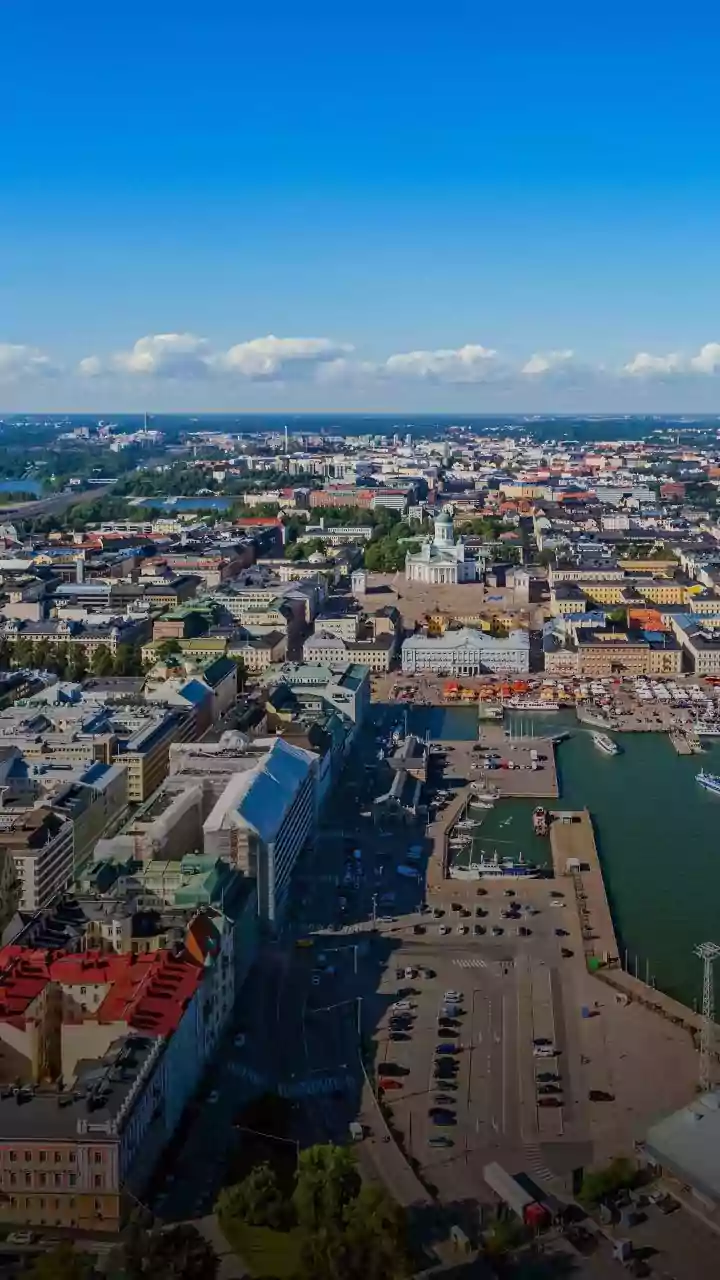
Unsurprisingly, the nations that consistently top global happiness charts also perform exceptionally well here. Finland leads the 2026 ranking with a score of 93.2 out of 100. The Nordic country was lauded for its high scores across all categories, especially in life evaluation. It is closely followed by Iceland and Denmark, with Norway placing fourth. This dominance of Northern European countries highlights a key theme in the index: the places that best combine high levels of personal freedom, social support, and strong passports tend to create the most desirable citizenships. Denmark, for example, was noted as the most balanced country, being the only one to rank in the top four across all four pillars.
The Paradox of Powerful Passports
One of the most fascinating insights from the ranking is that immense travel freedom doesn't automatically translate to happiness. Singapore is a prime example. It boasts the strongest passport mobility score and ranks first for prosperity, health, and safety in the sample. However, its lower scores for wellbeing and freedom at home pushed it down to 10th place overall. Similarly, countries like Portugal and Greece have powerful passports but their residents report lower levels of life satisfaction, placing them lower in the overall ranking. This suggests that once a certain level of mobility is achieved, personal freedoms and daily wellbeing become far more critical to a population's happiness than simply adding more visa-free destinations.
Beyond the Top Ten
The index also reveals interesting stories outside of the European-dominated top spots. New Zealand, ranking eighth, is a notable performer from the Asia-Pacific region, praised for its peacefulness and high score in civil liberties despite having a lower income per person than many rivals. Conversely, countries like Costa Rica and Israel rank among the happiest in the survey, yet have less powerful passports, placing 13th and 28th respectively. This reinforces the idea that while travel is a cherished freedom, the foundations of a happy life are often built at home. For context, India was not included among the 50 countries selected for this year's assessment.