



The Secret in the Clay
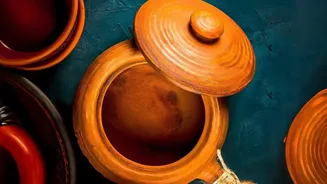
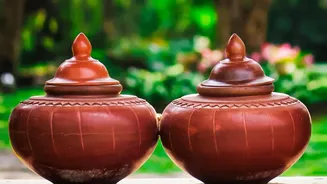
The primary magic of a clay pot, or 'handi', lies in its porous nature. Unlike metal or glass, unglazed clay has microscopic pores that allow it to breathe. When you cook, these pores enable steam and heat to circulate gently and evenly throughout the pot.
This process creates a moist environment, preventing food from drying out. Furthermore, clay is naturally alkaline. This property helps to neutralize the pH balance of acidic ingredients, like tomatoes, making them taste sweeter and making the overall dish gentler on the digestive system.
A Masterclass in Slow, Even Heat
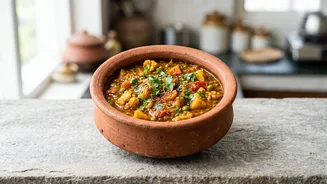
Clay pots are the original slow cookers. They take longer to heat up compared to their metal counterparts but, crucially, they retain and distribute that heat with remarkable uniformity. This eliminates the 'hot spots' common in metal pans that can scorch food and cause uneven cooking. The gentle, consistent heat allows ingredients to cook slowly in their own juices, which helps to break down tough proteins in meats and meld flavours more deeply. Food continues to cook even after being removed from the heat source, a testament to clay's excellent thermal retention.
Locking in Nutrients and Moisture
The combination of porosity and slow heating creates a self-basting effect. As steam is released from the food, it's absorbed by the pot's walls and then slowly circulated back, keeping the dish succulent and tender. This continuous moisture cycle means less oil and water are needed during cooking, resulting in healthier meals. More importantly, this gentle cooking method helps preserve heat-sensitive nutrients and vitamins that can be destroyed by the high, aggressive heat of modern cookware. The result is a meal that is not only richer in flavour but also higher in nutritional value.
The Natural Shelf-Life Extension
So how does this translate to a longer shelf life? It’s a multi-faceted benefit. Firstly, the superior moisture retention prevents food from drying out, which is one of the first steps in spoilage. Secondly, by preserving the food's natural structure and nutrients, it remains more stable. Some studies on storing water in clay pots have also highlighted their ability to filter contaminants and reduce certain bacteria over time, partly due to the porous material and alkaline environment which can inhibit microbial growth. When food is cooked in a way that balances its pH and locks in its natural goodness, it is simply better preserved from the start. This 'breathable' storage is a stark contrast to airtight containers where trapped moisture can accelerate spoilage.
An Eco-Culinary Choice for Today
Beyond preservation, choosing clay is an environmentally conscious decision. A well-cared-for clay pot can last for years, reducing waste from disposable cookware. Cooking with them often requires less energy once heated due to their excellent heat retention. This method aligns with a mindful approach to food, connecting us to traditions that were inherently sustainable. By understanding the simple science of how clay interacts with heat and food, we can appreciate that these ancient vessels offer more than just rustic charm; they provide a smarter, healthier, and more flavourful way to cook.