


Understand the Common Culprits
The post-monsoon humidity is a primary trigger for fungal overgrowth on a dog's skin. The two most frequent offenders in India are Yeast Dermatitis (Malassezia) and Ringworm. Malassezia is a yeast that normally lives on a dog's skin, but it can multiply
out of control in damp, warm conditions, leading to irritation. This often occurs in skin folds, between paw pads, and in the ears. Ringworm, despite its name, is a fungus, not a worm. It is highly contagious and can even spread to humans, making prompt identification crucial.
Recognise the Telltale Signs
Being able to spot an infection early is key to preventing your dog from significant discomfort. Watch for persistent scratching, licking, or chewing at their skin. Other common symptoms include redness, flaky or crusty skin, and patches of hair loss. A key indicator of a yeast infection is often a musty or cheesy odour, especially from the ears or skin folds. Ringworm typically presents as circular patches of scaly skin, sometimes with a red ring around the edge. Any strong new smell or change in skin texture warrants a closer look.
Prioritise a Dry Environment
Moisture is the number one enemy in the fight against fungal infections. The single most effective preventive step is to dry your dog thoroughly after every single walk, especially if they've been through puddles or wet grass. Pay special attention to often-overlooked areas like between the toes, paw pads, armpits, and any skin folds. Using an absorbent towel is good, but for dogs with thick coats, a low-heat blow dryer can ensure the fur is dried right down to the skin. Inside the home, run a dehumidifier if possible and ensure your dog’s bedding is kept clean and dry.
Grooming Is Your Best Defence
Regular grooming is about more than just looking good; it's a critical health practice during humid months. Brushing your dog’s coat daily removes dirt, prevents matting, and improves air circulation to the skin. Keeping the coat trimmed, especially for long-haired breeds, can significantly speed up drying time. It's also wise to keep the hair between their paw pads trimmed to stop moisture and debris from getting trapped. Ask your veterinarian about using a medicated or anti-fungal shampoo weekly or bi-weekly during the peak damp season as a preventative measure.
Focus on Paws and Ears
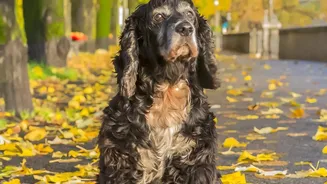
A city dog's paws and ears are particularly vulnerable. Paws are constantly in contact with damp pavements and muddy patches, making the crevices between toes an ideal microenvironment for fungal growth. Clean their paws with water after every walk and dry them meticulously. Dogs with floppy ears, like Cocker Spaniels and Beagles, are prone to ear infections because the ear flap traps moisture and heat. Clean their ears regularly with a vet-approved solution and always check for redness or any unusual odour.
Know When to See the Veterinarian
While good hygiene can prevent many issues, self-diagnosing and treating a persistent skin problem can make it worse. If your dog's itching is severe, causing them to lose sleep, or has led to open sores or bleeding, it's time to see a vet immediately. Likewise, if a rash is spreading rapidly or you notice any pus, a professional consultation is necessary. A vet can perform simple tests like a skin scraping to accurately identify the fungus and prescribe the correct oral or topical medications. Chronic or recurring infections may signal an underlying issue that needs a specialist's attention.