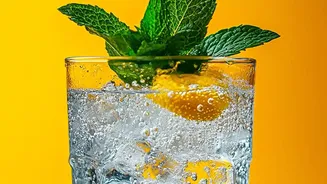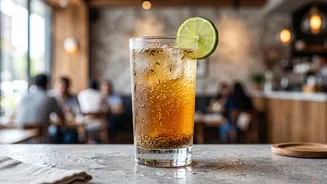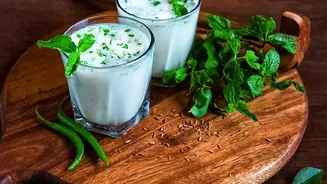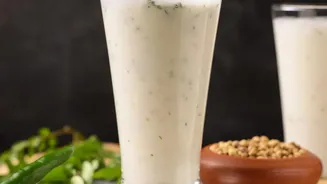




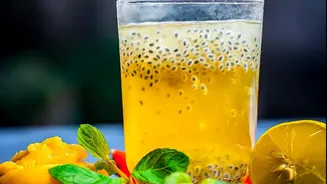
Walk past any store in India, and you're likely to see bottles of cumin soda, or 'jeera soda', lined up. Far from the sugary sweetness of global colas, this spicy, tangy, and savory drink is a national favorite. What does its appeal say about us?
A Shock to the System
For anyone
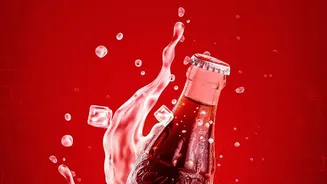
accustomed to the sweet, caramel notes of a typical cola, the first sip of a jeera soda can be a jolt. The taste is profoundly earthy, salty, and spicy, with the distinct, aromatic punch of roasted cumin. It’s a carbonated beverage that proudly sits on the savoury side of the flavour spectrum. This isn't just a niche product; it's a mainstream sensation. Brands like Lahori Zeera, Jeeru, and Bindu Fizz Jeera Masala have become household names, challenging the long-standing dominance of international soft drink giants. In fact, the market for these 'ethnic beverages' has surged, doubling its share of the carbonated drinks market in recent years while the share of traditional colas has seen a decline. The drink's success isn't an anomaly; it's a direct reflection of a uniquely Indian palate.
The 'Chatpata' Craving
To understand the love for jeera soda, you have to understand the concept of 'chatpata'. It’s a Hindi word that lacks a single English equivalent but describes a complex and craveable flavour profile that is simultaneously tangy, spicy, salty, and a little sweet. This is the flavour that defines much of Indian street food, from pani puri to bhel puri. It’s a maximalist approach to taste, designed to hit every part of the palate at once. Jeera soda is essentially chatpata in a bottle. It delivers that signature tangy-spicy kick with the added fizz of soda. This preference for layered, complex flavours over simple sweetness is a hallmark of the Indian snack culture, and jeera soda fits perfectly into that landscape.
From Kitchen Remedy to Commercial Success
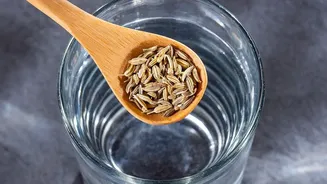
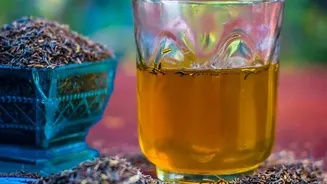
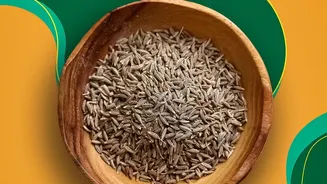
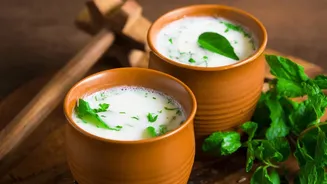
The story of jeera soda is deeply rooted in tradition. Cumin, or jeera, has been a staple of Indian kitchens and Ayurvedic medicine for centuries. It’s prized for its digestive properties, and jeera water—often infused with black salt and lemon—is a common home remedy for indigestion and bloating. For generations, this was a simple, homemade concoction. Street food vendors began to popularize it by adding soda water, serving it fresh as a cooling and digestive drink alongside spicy snacks. The transition to a commercially bottled product was a natural evolution. Brands recognized the drink's widespread appeal and its functional benefits, turning a traditional remedy into a convenient, ready-to-drink beverage that has now become a multi-million dollar industry.
More Than Just a Thirst Quencher
A significant part of jeera soda's appeal lies in its perceived health benefits. Unlike many sugary soft drinks, it is often consumed as a digestive aid. Cumin is known to stimulate digestive enzymes, making a glass of jeera soda a popular choice after a heavy meal. This functional aspect is a powerful driver of its popularity. In a culture where food and wellness are deeply intertwined, a drink that is both flavourful and beneficial has a distinct advantage. It's not just a treat; it's a practical part of the dining experience, believed to help cool the body and soothe the stomach. This connection to traditional wellness practices gives it an authenticity that many modern beverages lack.
The Future is Flavourful
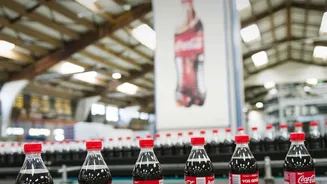
The incredible success of cumin-flavoured sodas is a powerful statement about cultural identity and consumer taste. It shows a growing confidence in local flavours and a move away from simply adopting Western products. Major players in the beverage industry have taken note, with established brands like Parle Agro and even Coca-Cola entering the fray with their own jeera-based drinks. The trend is expanding, with some companies even introducing zero-sugar versions to appeal to health-conscious consumers. The rise of jeera soda isn't just about one drink; it represents a broader shift in the Indian market, where authenticity, tradition, and complex, savoury tastes are becoming key drivers of success.