








Who Is in Charge of Kitchen Inspections?
The primary body overseeing food safety in India is the Food Safety and Standards Authority of India (FSSAI). Established under the Food Safety and Standards Act, 2006, the FSSAI sets the rules for everything from manufacturing to the sale of food. On-ground
inspections are often carried out by state-level Food Safety Officers (FSOs) or officials from local municipal corporations, who enforce FSSAI's guidelines. Recent enforcement drives in cities like Bengaluru and Mumbai have seen these teams inspect dozens of hotels and restaurants, from five-star establishments to local eateries, in response to public complaints and to ensure compliance.
What Do Inspectors Actually Look For?
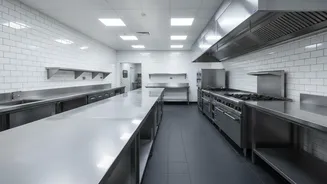
Inspectors follow a detailed checklist prescribed by the FSSAI to evaluate a restaurant's hygiene practices. Key areas include the cleanliness of the kitchen walls, ceilings, and floors, which should be non-absorbent and easy to clean. They check for proper ventilation, pest control measures, and the quality of water used for cooking, cleaning, and drinking. A major focus is on food handling and storage. This means ensuring raw and cooked foods are kept separate, and vegetarian and non-vegetarian items are not cross-contaminated. Inspectors also verify that food handlers maintain personal hygiene, such as wearing clean clothes, head coverings, and gloves, and are medically fit to work. They might also check for the use of expired ingredients and ensure used cooking oil is disposed of correctly.
Understanding the Hygiene Rating Scheme
To make hygiene standards transparent, the FSSAI created the Hygiene Rating Scheme, a voluntary program where restaurants are scored and given a rating from 1 to 5. This rating is based on a physical audit conducted by an FSSAI-empanelled agency. A rating of 5 stars signifies 'Excellent' compliance, 4 is 'Good', and 3 is 'Satisfactory'. Any rating below that indicates a need for improvement. This system allows consumers to make an informed choice at a glance. Restaurants are encouraged to prominently display their hygiene rating certificate on their premises, often as a sticker on the door. Some cities, like Delhi, are even experimenting with a letter-grade system (A-D) similar to what's used in New York.
How Can You Check a Restaurant's Rating?
The most direct way to check a rating is to look for the certificate displayed at the restaurant's entrance. For a more proactive approach, the FSSAI maintains an online portal where you can search for the hygiene ratings of certified businesses. You can access this database through the official FSSAI website or dedicated mobile apps designed to show ratings for nearby eateries. However, it's important to know that this is a voluntary scheme, and the number of rated businesses is still relatively small compared to the total number of eateries in the country. If you don't see a rating, it doesn't automatically mean the place is unhygienic, but rather that it may not have participated in the voluntary audit.
What Are Your Rights as a Diner?
As a consumer, you have the right to safe and quality food under the Consumer Protection Act. If you have a bad experience, such as finding a foreign object in your food, suspecting it's stale, or believe the kitchen is unhygienic, you have several options. First, you can raise the issue with the restaurant management directly. If unresolved, you can file a formal complaint with the FSSAI through their online portals or helpline. For issues like receiving non-vegetarian food in a vegetarian order, you can file a complaint for deficiency in service with a consumer forum. A restaurant found serving adulterated or contaminated food, or operating in unhygienic conditions, can face penalties extending up to one lakh rupees.