



Why Monsoon Demands a New Routine
The combination of high humidity and constant moisture creates a perfect breeding ground for bacteria, fungi, and parasites. Coats that remain damp can lead to painful skin infections, while muddy puddles may harbour harmful bacteria and other contaminants.
This is why veterinary clinics across India see a spike in cases of skin ailments, gastrointestinal issues, and parasite-borne diseases between June and September. A proactive grooming and hygiene routine is not just about cleanliness; it's a crucial preventative health measure for your pet during these challenging months.
The Paw Protocol: Clean and Dry After Every Walk
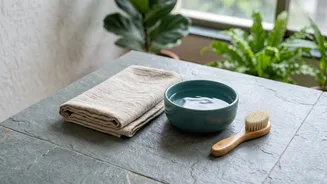
Your pet’s paws are on the front line, coming into direct contact with wet, muddy surfaces. This makes them highly susceptible to fungal and bacterial infections between the toes and pads. It's essential to establish a paw-cleaning station by your door. After every single walk, no matter how short, wipe their paws with a damp cloth or pet-safe wipes. For particularly muddy outings, a gentle wash with lukewarm water and a mild, pet-safe shampoo is recommended. The most critical step is to dry them thoroughly, paying special attention to the areas between the toes where moisture loves to hide.
Coat Care: Brushing and Drying Are Key
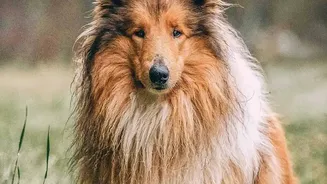
While it might seem counterintuitive, bathing your pet less frequently can be beneficial during the monsoon, as over-bathing strips the skin of its natural protective oils. The focus should instead shift to brushing and drying. Daily brushing, especially for long-haired breeds, helps remove debris, prevent matting, and allows air to circulate, which helps the skin breathe. After any exposure to rain, thorough drying is non-negotiable. A highly absorbent towel is good, but for pets with thick undercoats, using a pet-friendly hair dryer on a low-heat setting is the best way to ensure no dampness remains trapped against the skin.
The Parasite Problem: A Surge in Ticks and Fleas
The warm, humid monsoon climate is ideal for ticks and fleas to thrive, leading to a sharp increase in infestations. These parasites are not just a nuisance; they can transmit serious diseases like tick fever, which can be life-threatening if not caught early. It is vital to be consistent with vet-recommended flea and tick prevention, whether it's a spot-on treatment, an oral tablet, or a medicated collar. Perform daily checks of your pet’s fur, especially in warm areas like behind the ears, in the armpits, and between the toes.
Don't Forget the Ears
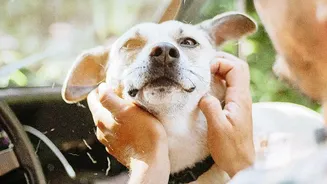
The ears are another area highly prone to infection during the monsoon, particularly in breeds with floppy ears. Trapped moisture creates a warm, dark, and damp canal where yeast and bacteria can flourish, leading to painful ear infections (otitis). Make it a weekly habit to check your pet’s ears for any redness, unusual discharge, or bad odour. Clean them regularly with a gentle, vet-approved ear-cleaning solution and a soft cloth, making sure to keep the outer ear dry after walks.
Inside the Home: A Clean and Dry Haven
Your pet will likely spend more time indoors during the rains, so maintaining a clean home environment is crucial. Wash your pet’s bedding more frequently in hot water to prevent the growth of mould and bacteria, and ensure it is completely dry before they use it. Keep their food and water bowls clean, providing fresh, filtered drinking water to avoid contamination from water-borne diseases. Storing dry food in airtight containers is also important, as humidity can quickly cause it to become stale or mouldy.