

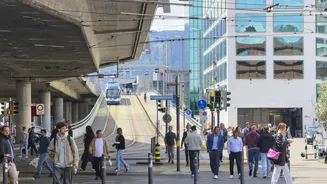
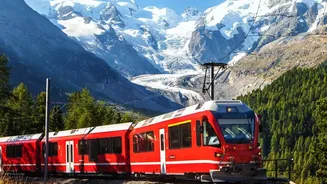
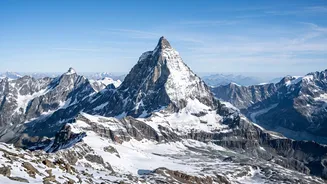
Switzerland’s landscapes are the stuff of dreams: alpine peaks, turquoise lakes, and charming villages. But its immense popularity means you’ll likely share that dream with many others. Here is a look at five stunning but crowded spots.
Bern's UNESCO-Listed Old Town
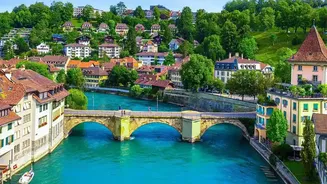
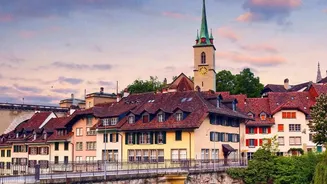
The medieval heart
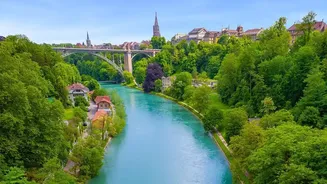
of Switzerland's capital is a masterpiece of preservation. Its six kilometres of limestone arcades, colourful fountains, and the famous Zytglogge clock tower make it a magnet for visitors. The entire area is a UNESCO World Heritage site, and its narrow, cobbled streets can become incredibly congested, especially on sunny afternoons and during market days. The city's popularity peaks in the summer months of July and August. To enjoy the magic without the masses, try exploring early in the morning. Before 10 a.m., the streets are quieter, offering a more authentic atmosphere and better photo opportunities of the historic architecture and the surrounding Aare River.
Lucerne's Chapel Bridge
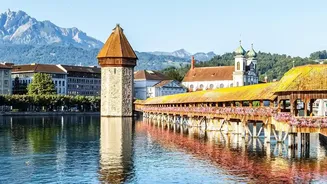
As the oldest covered wooden bridge in Europe, the Kapellbrücke (Chapel Bridge) is the undeniable symbol of Lucerne. Adorned with 17th-century paintings and flanked by the iconic Water Tower, it’s one of the most photographed subjects in the country. This popularity is also its challenge. The bridge is a public walkway, free to access 24/7, and with nearly 14,000 people crossing daily, its narrow wooden planks can feel shoulder-to-shoulder during peak tourist season. The summer months are particularly busy, with crowds making it hard to appreciate the historic paintings inside. For a more peaceful walk, visit before 9 a.m. or later in the evening when the day-trippers have departed.
Jungfraujoch – Top of Europe
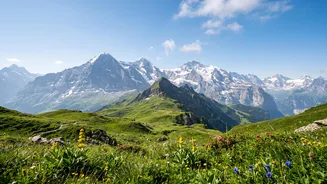
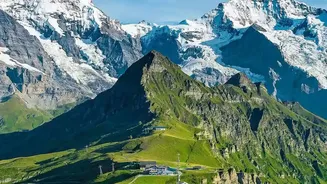
Reaching the highest railway station in Europe at 3,454 metres is a bucket-list experience for many travellers to Switzerland. The journey by cogwheel train and the views from the Sphinx Observatory are breathtaking, but this comes at the cost of significant crowds. Well over a million people visit annually, with a notable number of tourists from Asia, India, and the USA. Queues for the train, the lifts, and the popular photo spots are common, especially from May to August. To manage the flow, a mandatory seat reservation system is often in place. The best strategy is to book the very first train of the morning. This not only helps you beat the worst of the crowds but also often provides clearer skies for those panoramic alpine views.
Zermatt and the Matterhorn
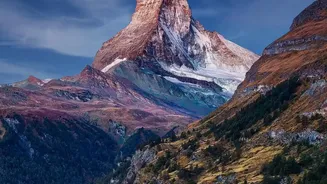
The iconic, pyramid-shaped Matterhorn peak draws visitors from around the globe to the car-free village of Zermatt. While the hiking trails offer space, the village itself and key viewpoints can become extremely congested. The main street, Bahnhofstrasse, is often bustling, and the cable cars and trains to popular viewing platforms like Gornergrat and Glacier Paradise experience long lines, particularly during the peak summer (July-August) and winter (February-March) seasons. August is the busiest month of the year for hiking tourism. Staying overnight in Zermatt allows you to explore before 9 a.m. or after 5 p.m., when the day-trip crowds have thinned out, offering a more serene experience of this alpine wonderland.
Interlaken, the Adventure Capital
Perfectly situated between Lake Thun and Lake Brienz, Interlaken is the gateway to the entire Jungfrau region and Switzerland's premier hub for adventure sports. This dual role makes it exceptionally busy. The town is not only filled with sightseers but also with adrenaline-seekers queuing for activities like paragliding and canyoning. Its status as a transport hub means its train station and streets are constantly buzzing. The area, particularly nearby Lauterbrunnen, has become a focal point in discussions about overtourism in Switzerland, with infrastructure often stretched to its limits during the peak July and August season. For a calmer visit, consider the shoulder seasons of May, June, or September, which often provide great weather with fewer people.