



In the world of fitness, 'flexibility' and 'range of motion' are often used as if they mean the same thing. While related, they describe two very different qualities of movement. Understanding the distinction is key to safer, more effective workouts.
What is Flexibility?
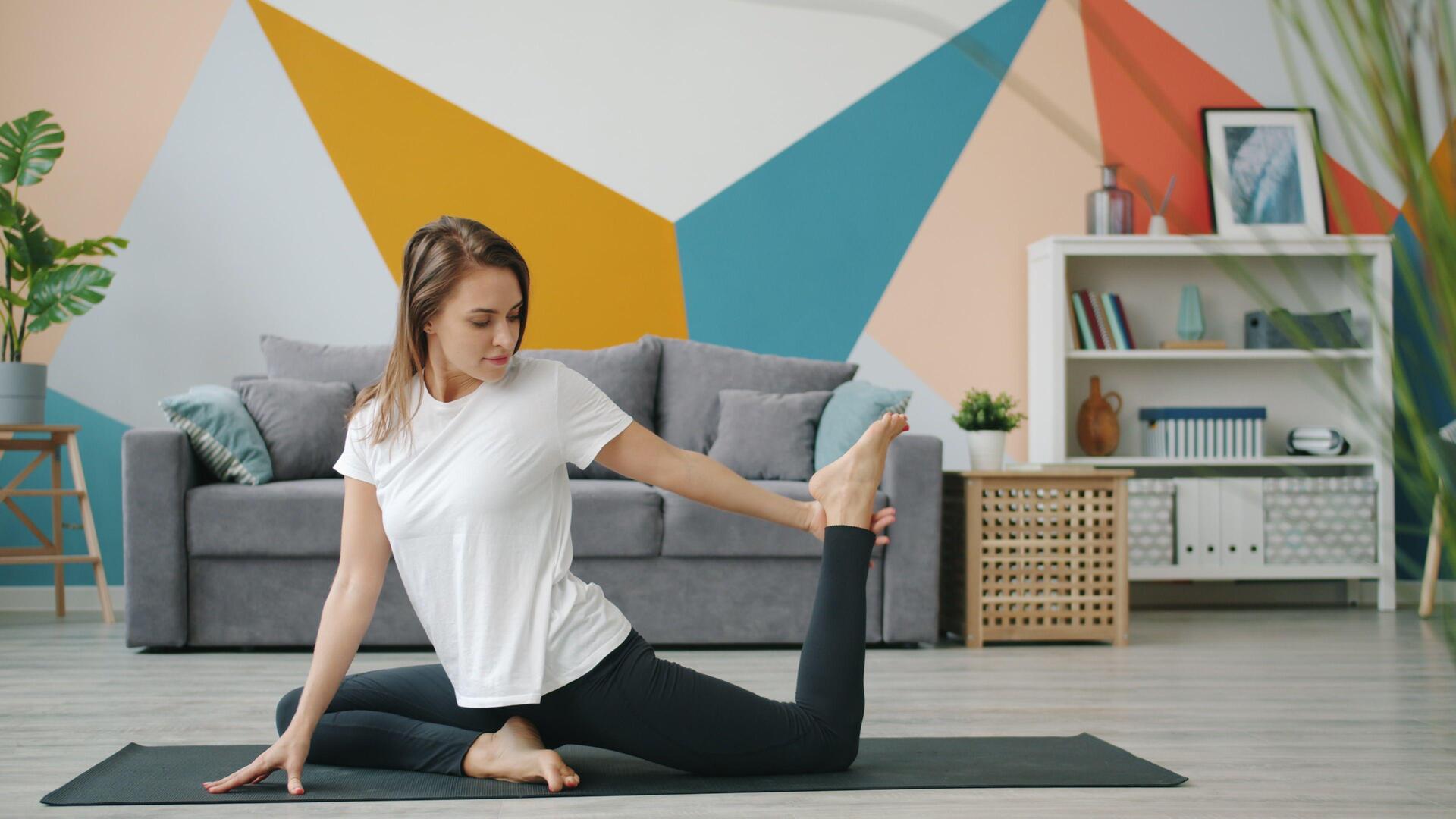
Flexibility refers to the ability of your muscles and connective tissues to lengthen passively. Think of it as your body's potential for stretch. When you hold a static stretch, like bending over to touch your toes, you're primarily testing the flexibility of your hamstrings and lower back muscles. This quality is about the tissue itself—how much it can elongate when an external force is applied. That force could be gravity, a strap, or even a physical therapist assisting you in a stretch. It’s a passive state, meaning your muscles aren't actively contracting to achieve the position. So, while it is a crucial component of healthy movement, flexibility is only one piece of the puzzle.
What is Range of Motion?
Range of motion, or ROM, is the full movement potential of a joint. It describes how far you can move a joint in a specific direction, measured in degrees. Unlike flexibility, which is about muscles, ROM is a broader term that involves the entire joint structure: bones, ligaments, tendons, and the joint capsule, as well as the muscles crossing it. Crucially, ROM is an active quality. It’s not just about how far a joint can be moved, but how far you can actively control it using your own strength and coordination. This is why physical therapists often distinguish between passive range of motion (PROM), where an external force moves the joint, and active range of motion (AROM), which you achieve on your own.
The Key Difference: Passive Potential vs. Active Control
The simplest way to understand the difference is this: flexibility is passive, while range of motion is active. Flexibility is the potential for movement that your muscles allow. Range of motion is the usable movement you can control at your joints. For example, you might have very flexible hamstrings (great passive flexibility) and be able to pull your leg high towards your chest while lying down. But if you can't lift your leg that high while standing, your active range of motion is more limited because it requires strength and stability that passive stretching doesn't build. The gap between your passive flexibility and your active range of motion is the movement you can access but cannot yet control—a zone where injuries can happen.
Why This Distinction Matters for Your Health
Understanding this difference is vital for injury prevention. Having a lot of flexibility without the strength to control it can lead to joint instability, increasing the risk of sprains and strains. Your nervous system may even restrict movement as a protective measure if it senses a lack of control at the end of a range. On the other hand, poor flexibility can lead to stiffness and compensation patterns, where other parts of your body have to work overtime, leading to overuse injuries. A balanced approach that trains both flexibility and active range of motion leads to better posture, improved athletic performance, and more efficient daily movements.
How to Improve Flexibility
To improve flexibility, the focus is on lengthening muscles. Static stretching is a classic method, where you hold a stretch for a sustained period, typically 15 to 60 seconds, allowing the muscle tissues to relax and elongate. This is best done when your muscles are already warm, such as after a workout. Consistency is the most important factor; even 10-15 minutes of daily stretching can make a huge difference over time. Techniques like foam rolling can also help release muscle tension and improve tissue extensibility. Remember to listen to your body and avoid pushing into sharp pain.
How to Improve Range of Motion
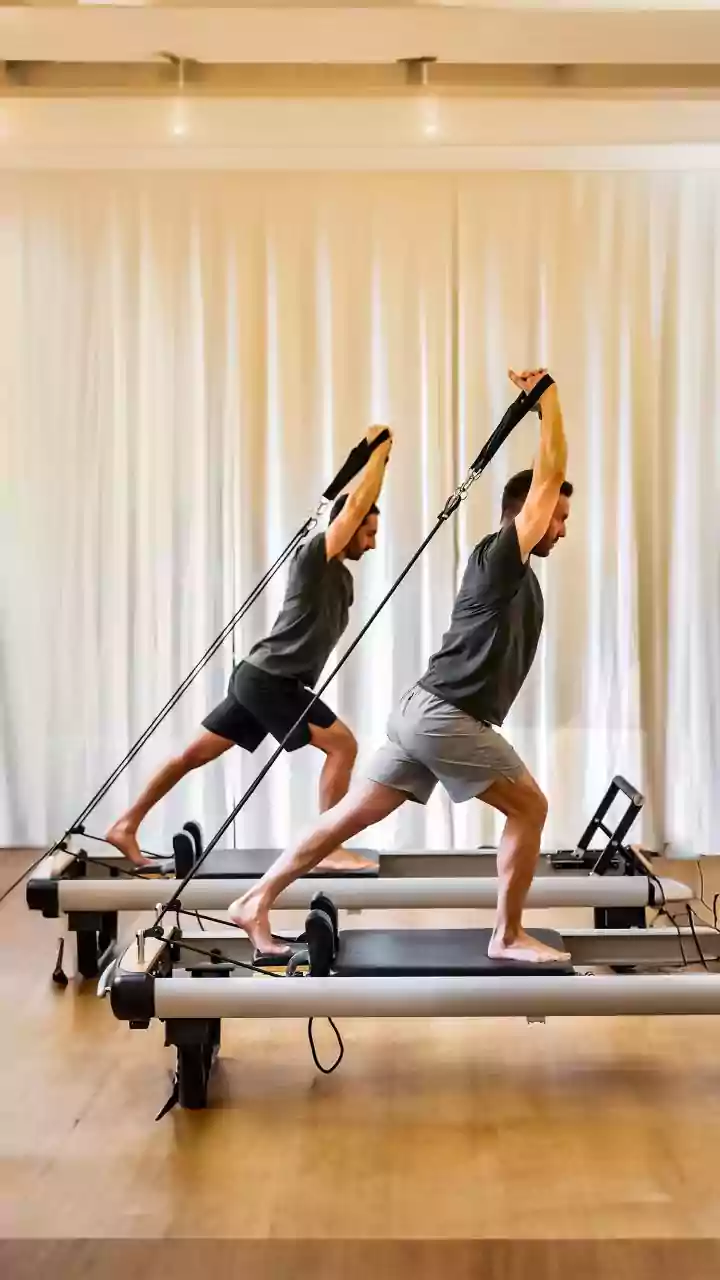
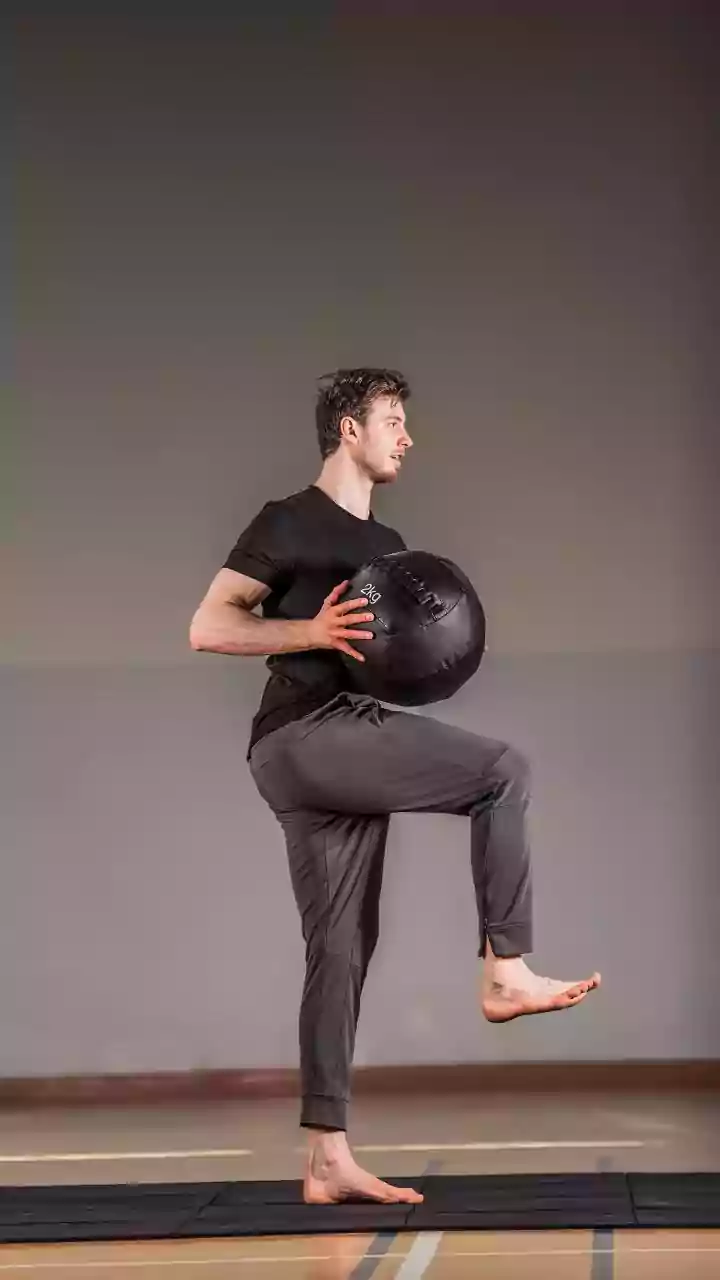
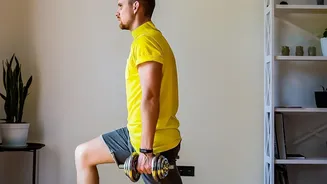
Improving active range of motion requires a different approach that builds strength and control. Dynamic stretching, which involves actively moving your joints through their full range, is excellent for this. Examples include leg swings, arm circles, and torso twists. Strength training is also one of the most effective ways to improve your usable ROM. Performing exercises like deep squats, lunges, and overhead presses teaches your body to be strong and stable through a greater range of movement. Practices like Pilates and yoga are also fantastic because they blend strength, control, and flexibility work together.