




What Is Galangal, Anyway?
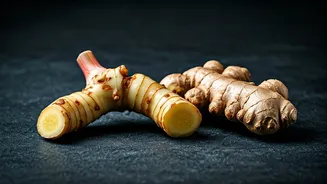
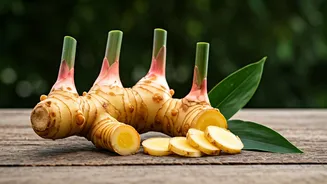
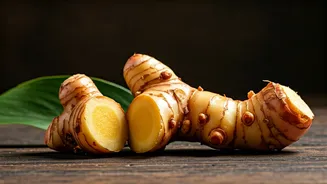
Galangal is an aromatic rhizome, or underground stem, that belongs to the same family as ginger and turmeric. Known in India by names like 'Kulanjan' in Hindi and 'Perarattai' in Tamil, it's a cornerstone of Southeast Asian cuisine, particularly in Thai,
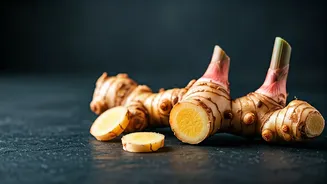
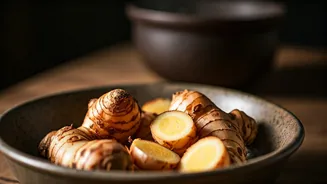
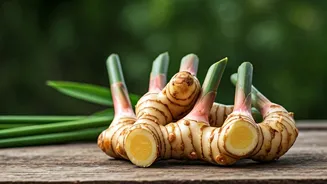
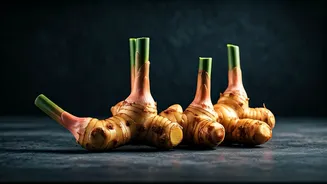
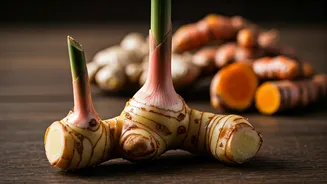
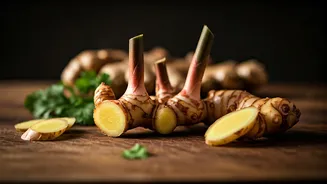
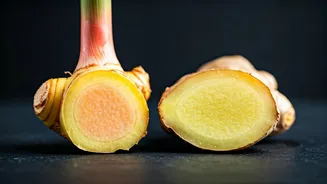
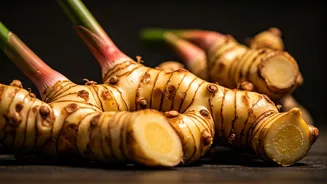
Indonesian, and Malaysian dishes. While it looks similar to its more famous cousin, ginger, galangal boasts a completely unique personality. Its skin is smoother and paler, often with a pinkish hue, and its flesh is significantly harder and denser. For centuries, it has also been a staple in traditional wellness practices like Ayurveda for its various beneficial properties.
The Great Debate: Galangal vs. Ginger
Here’s the most important thing to know: you cannot simply swap one for the other. While they are related, their flavours are worlds apart. Ginger offers a familiar spicy-sweet warmth. Galangal, on the other hand, delivers a more complex flavour profile. It has a sharp, peppery bite with distinct citrusy and pine-like notes. Think of it as ginger’s more assertive, perfumed relative. The texture is another key difference. Ginger’s flesh is softer and fibrous, making it easy to grate. Galangal is much tougher and woodier, requiring a sharp knife for slicing. Using one in place of the other will dramatically change the final taste of your dish.
How to Buy and Store It Like a Pro
When buying fresh galangal, look for firm rhizomes with smooth, unblemished skin. Avoid any pieces that look shrivelled, dry, or have soft, mouldy spots. Freshness is key to unlocking its vibrant aroma. To store it, you have a couple of great options. For short-term use, wrap the unpeeled root loosely and keep it in the refrigerator, where it will last for two to three weeks. For longer storage, freezing is your best friend. You can freeze the root whole, or for greater convenience, peel and slice it into thin rounds. Store them in an airtight bag or container in the freezer for several months. This way, you can just grab a few slices as needed, directly from frozen.
Simple Ways to Start Cooking
Intimidated by its tough texture? Don't be. The easiest way to start is by using galangal for infusion. Because it’s so firm, it’s not typically eaten raw in large chunks. Instead, slice it into thin coins and add it to soups, broths, or curries while they simmer. The slices will release their beautiful, aromatic flavour into the liquid. A classic example is the Thai soup Tom Yum, where galangal is a star player. You can either remove the slices before serving or simply leave them in and eat around them. Another simple starting point is to make a fragrant galangal tea by simmering slices in hot water, or to infuse coconut milk with it before adding to a curry.
A Boost of Wellness
Beyond its culinary uses, galangal is prized for its health-promoting properties. It is a rich source of antioxidants, which are beneficial compounds that help protect your body's cells from damage. Traditional medicine systems have long used it for its anti-inflammatory qualities, which can help soothe aches and pains. It's also been traditionally used to aid digestion, reduce nausea, and improve blood circulation. While it's a delicious ingredient first and foremost, these added wellness benefits make it an even more attractive addition to your kitchen pantry.