




When building an upper-body routine, it's easy to focus on 'pushing' moves like the bench press. But for true balance, strength, and great posture, you need an equally strong 'pull'. Enter the seated row, your back's best friend.
The Unsung Hero of Back Day
The seated row is a fundamental
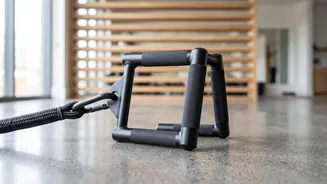
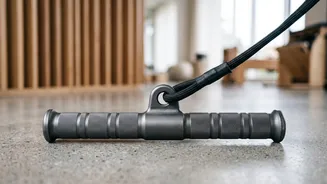
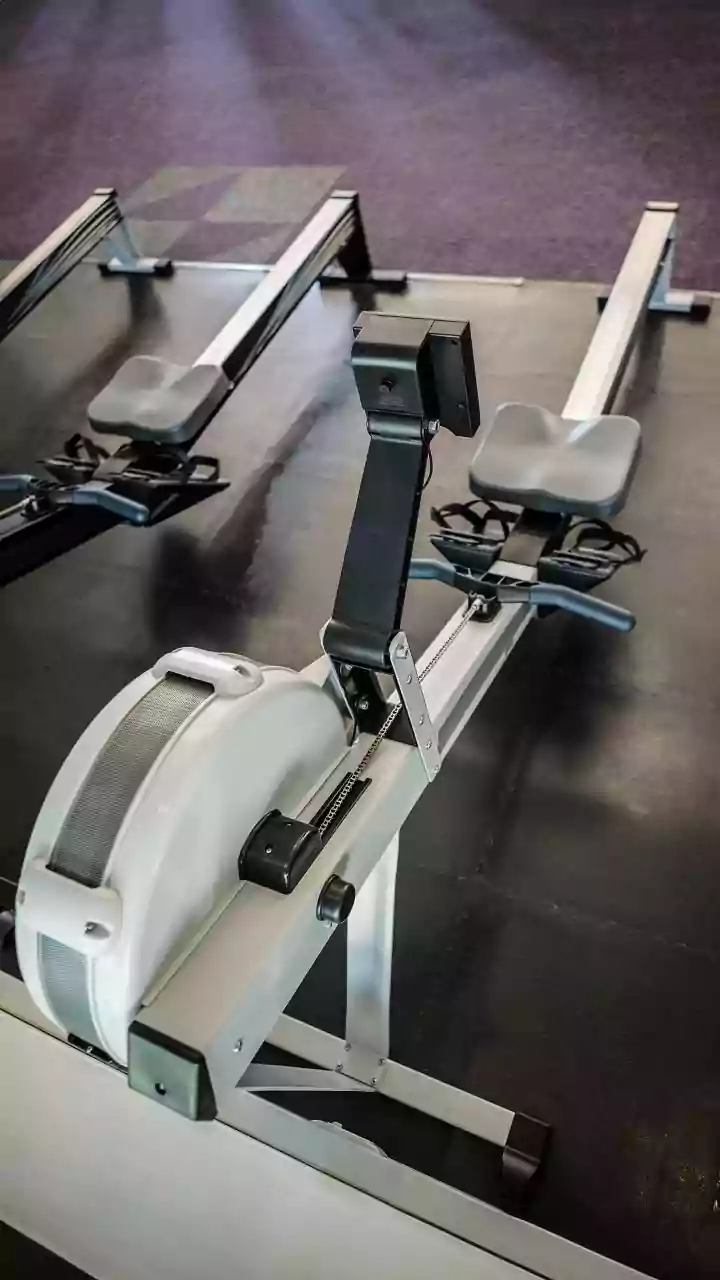
strength training exercise performed on a cable machine or a dedicated rowing machine. As the name suggests, you sit with your feet braced and pull a weighted handle toward your torso in a motion that mimics rowing a boat. This horizontal pulling movement is a cornerstone for developing the muscles of the back. While it may seem simple, its impact is profound. It's an accessible exercise for beginners due to the support and stability it offers, yet it remains a staple for advanced lifters because of its effectiveness in building back thickness and strength. Unlike more complex free-weight movements, the seated row provides constant tension and is easy to learn, making it a safe and efficient way to target key muscles.
Why Pulling is a Priority
In our daily lives, from typing at a desk to driving, most of our actions are in front of us. This can lead to tight chest muscles and weak, underused back muscles, contributing to the rounded shoulders and forward head posture that are all too common. Pulling exercises, like the seated row, directly counteract this by strengthening the posterior chain — the muscles on the backside of your body. This creates a 'tug of war' where your back muscles are strong enough to pull your shoulders back into proper alignment, promoting better posture and reducing the risk of neck and shoulder pain. A well-rounded fitness program needs to balance pushing movements with pulling movements to ensure muscular symmetry and joint health. Neglecting your 'pull' day is like building the front of a house while ignoring the foundation.
Muscles at Work
The seated row is a compound exercise, meaning it engages multiple muscle groups at once. The primary movers are the large muscles of the back, including the latissimus dorsi (the 'lats' that create width) and the rhomboids and middle trapezius (the muscles between your shoulder blades that pull them together). These muscles are responsible for creating a thick, powerful-looking back and are crucial for posture. Your arms also get a great workout, with the biceps and forearm muscles acting as secondary movers to help bend the elbows and grip the handle. Finally, your lower back muscles (erector spinae) and core work to keep your torso stable and upright throughout the movement.
Mastering the Perfect Form
Proper form is crucial for maximizing benefits and preventing injury. Start by sitting tall on the bench with your knees slightly bent and feet firmly on the platform. Grasp the handle with your arms fully extended, your chest up, and your shoulders down and relaxed. Initiate the pull by driving your elbows back, keeping them close to your body. Think about pulling with your back and squeezing your shoulder blades together, rather than just yanking with your arms. Pull the handle towards your lower ribs or navel. Pause for a second at the peak of the contraction, feeling the squeeze between your shoulder blades. Then, slowly return the weight to the starting position over two to three seconds, allowing your arms to straighten fully for a complete stretch without letting your back round.
Common Mistakes to Avoid
A few common errors can derail your progress. The most frequent is using too much weight and relying on momentum, which involves rocking your torso back and forth. This recruits your lower back and legs, taking the emphasis off the target muscles and increasing injury risk. Another mistake is shrugging your shoulders up toward your ears, which shifts the work to your upper traps and neck. Keep your shoulders down and back. Also, avoid rounding your back as you pull; maintain a proud, upright chest and a neutral spine to protect it. Finally, don't just pull with your biceps. To truly engage your back, focus on initiating the movement by retracting your shoulder blades before your arms even bend.
Building a Balanced Programme
The seated row shines as part of a complete routine. For a balanced upper body, you must pair horizontal pulls with horizontal pushes. So, a workout that includes seated rows should also feature an exercise like a bench press or pushups. Similarly, you should balance vertical pulling (like pullups or lat pulldowns) with vertical pushing (like an overhead shoulder press). A simple, effective upperbody day could be structured with a primary push (bench press), a primary pull (seated row), a vertical push (dumbbell shoulder press), and a vertical pull (lat pulldown), followed by smaller isolation exercises for the arms. This pushpull structure ensures all major muscle groups are worked evenly, fostering balanced strength and a symmetrical physique.