








The Quick Commerce Revolution
Just a few years ago, waiting two or three days for an online order was the norm. Today, for a growing number of urban consumers, it’s an eternity. The dramatic rise of quick commerce platforms has fundamentally reset customer expectations. Companies
like Blinkit, Zepto, and Swiggy Instamart, promising deliveries in 10 to 30 minutes, have transformed the concept of instant gratification from a luxury into a standard expectation. This high-velocity model, which began with groceries, is rapidly expanding into other categories like electronics, personal care, and medicines. The success of quick commerce demonstrates a critical shift: for many shoppers, the time saved is more valuable than the money saved. This has forced the entire retail ecosystem, including giants like Amazon and Flipkart, to invest heavily in their own hyperlocal delivery networks to keep pace.
What 'Utility' Really Means Today
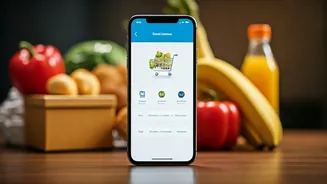
Speed is only half the story. The other, equally important, pillar is utility. In digital retail, utility means making the entire shopping journey as seamless and effortless as possible. This goes far beyond just having a functional website or app. It encompasses a wide range of features that remove friction for the user. Think of an AI-powered search that understands your intent rather than just keywords, making product discovery intuitive and conversational. It’s about offering flexible and trusted payment options like UPI, which has become a backbone of digital transactions in India. Utility also means a hassle-free returns process, clear product information, and personalized recommendations that are genuinely helpful, not just intrusive. The goal is to create an experience so smooth that the customer doesn't have to think twice. In essence, a platform’s utility is measured by how much mental energy it saves the user.
How Indian Platforms Are Adapting
Indian e-commerce players are innovating at a breakneck pace to deliver on both speed and utility. The expansion into Tier 2 and Tier 3 cities has made localization a priority. This includes offering vernacular language interfaces to make platforms more accessible to a diverse user base. Behind the scenes, Artificial Intelligence is becoming a transformative tool. AI algorithms are being used to optimize logistics for faster deliveries, manage inventory in real-time to prevent stockouts, and create highly personalized shopping experiences. Major platforms are building vast networks of micro-fulfillment centers or 'dark stores' closer to customers, which are crucial for enabling quick commerce. Even smaller sellers are leveraging AI tools to generate better product descriptions and manage their online listings more effectively, leveling the playing field.
The Customer's New Definition of Value
The pivot towards speed and utility reflects a deeper change in the Indian consumer, particularly among Gen Z and urban professionals. For this demographic, time is the ultimate scarce resource. Convenience is no longer a perk; it's a primary driver of purchasing decisions. Studies show a significant portion of Indian consumers are willing to pay a premium for a better and faster experience. This marks a maturation of the market from one driven purely by bargain-hunting to one where the overall experience holds significant weight. This shift is also influencing purchase frequency. Instead of a large monthly grocery haul, many are now opting for smaller, more frequent top-ups via quick commerce platforms, changing consumption patterns entirely. Brands that understand and cater to this new definition of value are the ones building lasting loyalty.