





What Exactly Is Ambali?
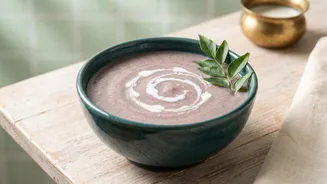
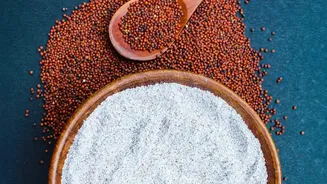
Ambali is a traditional South Indian drink or thin porridge, with roots stretching back centuries, particularly in states like Karnataka, Andhra Pradesh, and Telangana. It is typically made from ragi (finger millet) flour, though other millets or rice
can be used. The process is simple yet profound: millet flour is cooked into a porridge, then left to ferment naturally overnight or for up to 24 hours. This fermentation gives the drink its characteristic slightly sour, tangy flavour and transforms it into a nutritional powerhouse. It can be enjoyed savoury, with additions like buttermilk, salt, and chopped onions, or sweet with a touch of jaggery.
The Gut-Friendly Power of Fermentation
The magic of Ambali lies in its fermentation. This natural process encourages the growth of beneficial bacteria, making it a rich source of live probiotics. These probiotics are essential for maintaining a diverse and healthy gut microbiome, which can improve digestion, reduce bloating, and support overall immunity. Furthermore, fermentation breaks down 'anti-nutrients' like phytic acid found in grains. This action unlocks the full potential of the millets, making minerals like calcium, iron, and zinc more bioavailable for your body to absorb. So, while the ingredient list is minimal, the biological activity within the drink is immense.
The Downside of Commercial Alternatives
While brightly packaged probiotic yogurts and drinks line supermarket shelves, they often come with drawbacks that are leading consumers to look for alternatives. Many commercial gut health beverages can be high in sugar, which can counteract the benefits of the probiotics they contain. They also frequently feature preservatives and artificial flavours to ensure a long shelf life, moving them away from the 'natural' solution many health-conscious individuals seek. Cost is another significant factor; a daily commercial probiotic shot can be expensive. This has prompted a search for more affordable, whole-food-based options, leading many back to their own culinary heritage.
More Than a Health Drink: A Return to Roots
The resurgence of Ambali is not just a health trend; it’s part of a larger cultural shift. In an era of ultra-processed foods, there's a growing desire to reconnect with traditional food wisdom that has nourished generations. People are increasingly aware that what their grandmothers made was not only delicious but also inherently functional. Ambali is a perfect example: it’s gluten-free, rich in calcium (ragi is one of the best plant sources), and high in fibre, which promotes satiety and can aid in weight management. Its natural cooling properties also make it an ideal drink for hot Indian summers, providing hydration and sustained energy without the sugar crash of modern energy drinks.