






What Exactly is Boutique Hospitality?
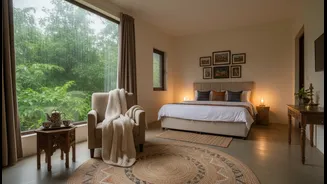
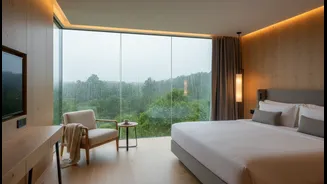
Forget the cookie-cutter familiarity of large hotel chains. Boutique hospitality is defined by its distinct personality and smaller scale. Typically featuring between 10 and 100 rooms, these properties pride themselves on unique design, a deep connection
to local culture, and highly personalised service. Instead of a generic buffet, you might find a farm-to-table menu featuring regional recipes. Rather than a standard city tour, you could be offered a curated pottery workshop or a guided nature trail. The hotel itself ceases to be just a place to sleep; it becomes a destination, offering a story and an experience that can't be replicated. This approach turns accommodation from a simple transaction into an integral part of the travel narrative.
The Drivers: Why Travellers Are Making the Switch
This trend isn't happening in a vacuum. It’s part of a larger pivot towards experiential travel, where acquiring memories and cultural understanding is valued more than just visiting a checklist of sights. Recent data shows that Indian travellers are increasingly prioritising experiences over destinations, choosing places that align with their personal interests like wellness and cultural immersion. Young, affluent travellers in particular are seeking distinctiveness over standardisation. The post-pandemic landscape also plays a role, with many travellers preferring the safety, privacy, and curated service that smaller properties with fewer rooms can offer. A significant majority—nearly 80%—of Indian travellers now actively seek unconventional stays, transforming the hotel from a backdrop into the main event.
Perfect Monsoon Sanctuaries
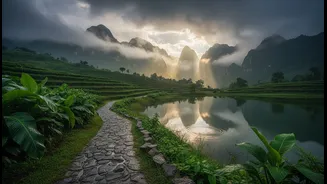
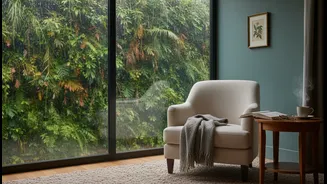
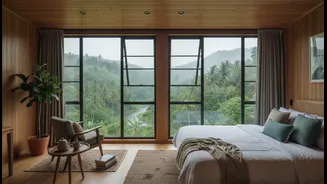
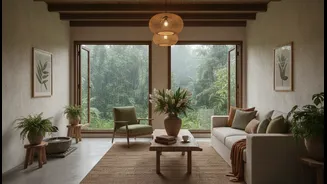
The monsoon season, with its lush landscapes and cooler temperatures, provides the perfect canvas for the boutique experience. Destinations are being chosen specifically for the unique stays they offer. In Kerala, you can find luxury backwater retreats on the banks of Vembanad Lake, where the rain enhances the magic of houseboat rides. Coorg’s coffee plantations become misty wonderlands, with heritage-inspired villas offering plantation walks amid the rain-soaked greenery. In the quieter, greener side of Goa, restored heritage properties provide seclusion away from the crowds. Hill stations like Mussoorie and Rishikesh are seeing a massive surge in interest, with travellers drawn to boutique yoga stays and riverside hotels perfect for watching the rain. Even Rajasthan offers a unique monsoon charm, with heritage hotels in Udaipur providing dramatic views of the lakes under stormy skies.
More Than a Room, It's an Experience
The core appeal of boutique hotels lies in the immersive activities they provide, which connect guests to the destination on a deeper level. It’s about creating a 'home away from home' feel but with curated, authentic experiences. A heritage property in Uttarakhand might offer a traditional Kumaoni thali with recipes passed down through generations. A restored haveli in Old Delhi could feature kite-flying sessions, while a fort-hotel in Rajasthan might employ locals from indigenous tribes who share their culture with guests. Many properties are also becoming wellness-driven, offering yoga, Ayurveda retreats, and spa treatments that are especially sought after during the tranquil monsoon months. These experiences ensure that the stay itself is as memorable as the destination.