
The Magic of Kalonji
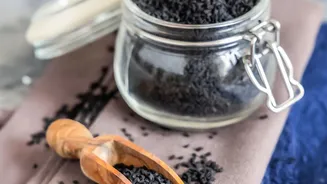
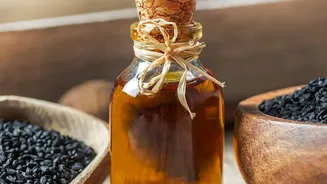
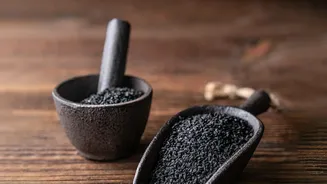
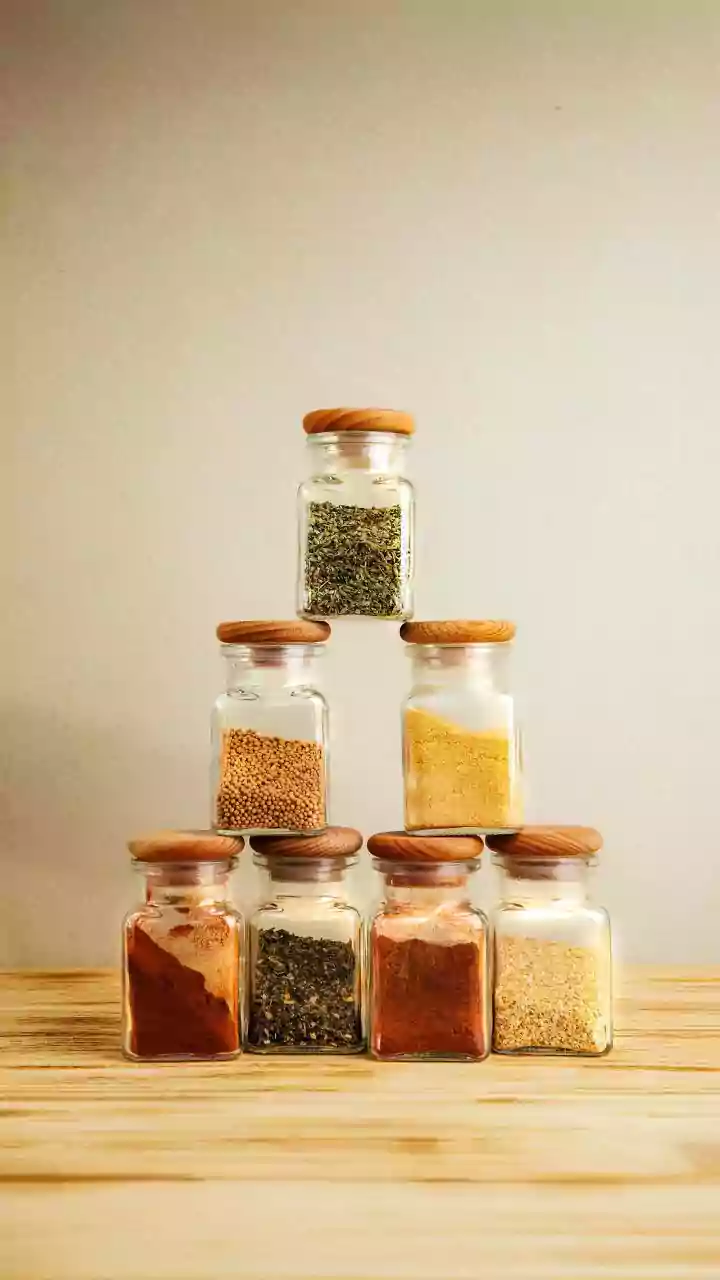
Often mistaken for black sesame or onion seeds, nigella seeds possess a unique flavour profile all their own. They carry notes of onion, black pepper, and even a hint of oregano, with a mild bitterness that becomes wonderfully nutty and complex when toasted.
This distinctive taste is why they’ve been a staple in Middle Eastern, North African, and Indian cuisines for centuries. Found in ancient tombs and mentioned in religious texts, their history is as rich as their flavour. The secret to unlocking their potential is often heat; a quick toasting in a dry pan awakens their aromatic oils, transforming them from a simple garnish into a foundational flavour. This process mellows any astringency, leaving behind a warm, savoury crunch that elevates anything it touches.
Classic Naan and Flatbreads
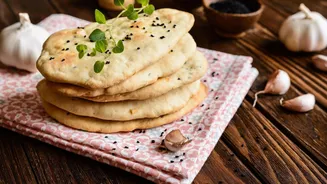
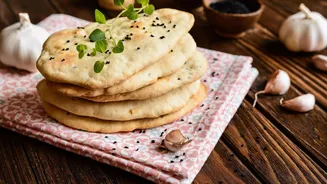
The most famous application for nigella seeds is, of course, naan bread. Whether you are making a simple dough with flour, yeast, sugar, and yogurt, or a more complex version, incorporating these seeds is simple. They can be kneaded directly into the dough to infuse every bite with their peppery notes, or sprinkled on top just before cooking for a more pronounced texture and aroma. As the naan puffs up in a hot pan or oven, the seeds toast and release their signature fragrance. But their utility extends to other flatbreads, too. Try adding them to a Turkish pide or Ramazan Pidesi, a soft, leavened bread that often features a decorative pattern pressed into the dough and a generous scattering of nigella and sesame seeds. The seeds adhere beautifully to an egg wash, creating a glossy, flavour-packed crust.
A Twist on Focaccia
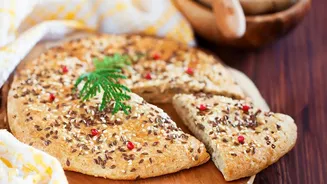
While rosemary and sea salt are the classic toppings for Italian focaccia, nigella seeds offer a delightful Middle Eastern-inspired alternative. The rich, oily surface of a dimpled focaccia dough is the perfect canvas for these seeds. As the bread bakes, the olive oil toasts the nigella seeds, infusing the crust with their complex, savoury flavour. Some recipes even call for an 'Indian-style tadka', where spices like mustard seeds, cumin, and curry leaves are tempered in hot oil, which is then poured over the dough along with the nigella seeds for an incredible fusion of flavours. This approach transforms the familiar Italian bread into something entirely new, perfect for serving with dips, soups, or on its own.
Elevating Everyday Loaves
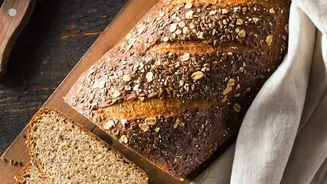
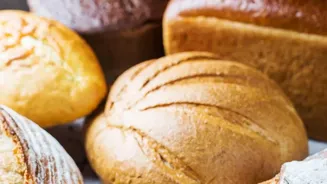
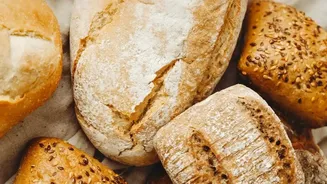
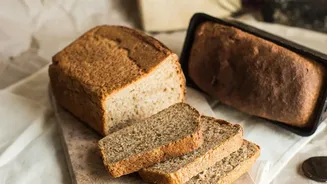
Don't limit these versatile seeds to flatbreads. They can bring a surprising and welcome complexity to your everyday sandwich loaves and rustic sourdoughs. For a simple seeded loaf, they can be added to a mix of sunflower, poppy, and sesame seeds to provide a deeper, more savoury note. In sourdough baking, nigella seeds pair exceptionally well with earthy ingredients. Imagine a golden turmeric sourdough loaf, swirled with sweet caramelised onions and studded with nigella seeds. The seeds' peppery bite cuts through the sweetness of the onion, creating a perfectly balanced and aromatic crumb. You can either mix them into the dough during the lamination process or coat the outside of the loaf before its final proof for a beautiful, crunchy crust.
Quick Bakes and Savoury Scones
The power of nigella seeds isn't just reserved for yeast-leavened breads that require hours of rising time. They are just as effective in quick bakes like savoury scones or simple soda breads. When mixed into a scone dough with cheese or herbs, the seeds provide little bursts of peppery, onion-like flavour that complement the richness of the butter and cheese. Similarly, a quick, no-knead soda bread can be instantly elevated by a tablespoon of nigella seeds mixed into the flour. This simple addition provides a textural contrast and a layer of flavour that makes a simple bread feel special, proving that even the quickest baking projects can benefit from this underappreciated spice.