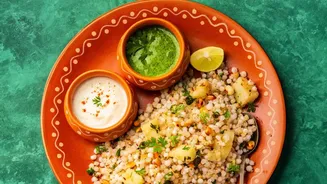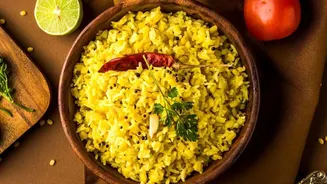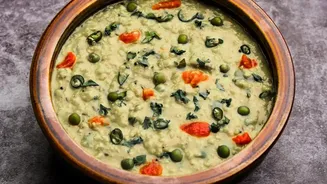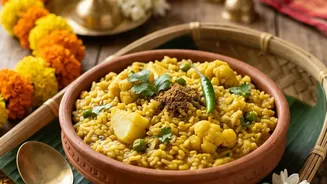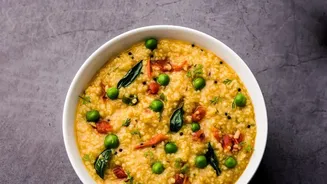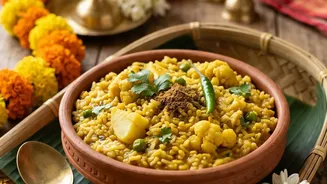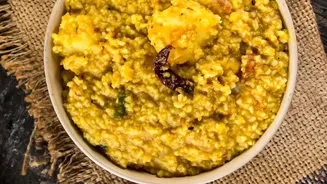

In the world of healthy Indian meals, Dalia and Khichdi are undisputed champions. Both are hailed as wholesome and comforting, but when it comes to protein, which one truly has the edge? The answer depends on your specific health goals.
The Case for Dalia: A Wholegrain Powerhouse
Dalia, also known
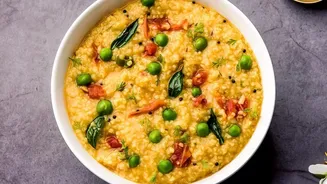
as broken or cracked wheat, is a minimally processed whole grain that retains its nutrient-rich bran and germ. Its primary strength lies in its impressive fibre content. A 100-gram serving of uncooked Dalia contains roughly 12 grams of protein and about 10 to 12.5 grams of dietary fibre. This high fibre content is key to many of its health benefits; it promotes a feeling of fullness, which can aid in weight management, and it supports digestive health by preventing constipation. Being a whole grain, Dalia is also packed with essential micronutrients like iron, magnesium, and B vitamins. However, it's important to note that Dalia, being a wheat product, is not a complete protein on its own, as it lacks certain essential amino acids. To make it a complete protein meal, it's best paired with dairy or lentils.
Understanding Khichdi: The Ultimate Comfort Meal
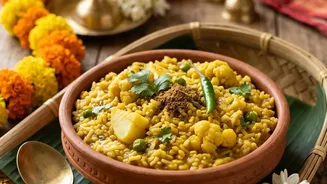
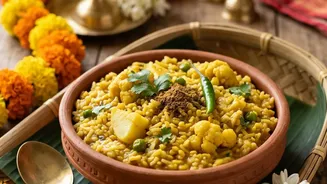
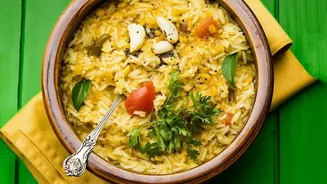
Khichdi, a beloved one-pot meal made from rice and lentils (most commonly moong dal), is celebrated for being gentle on the stomach and deeply nourishing. Its greatest nutritional advantage comes from the combination of a cereal (rice) and a pulse (dal). Together, they provide a complete protein profile, meaning the dish contains all nine essential amino acids required by the body, which is rare for vegetarian meals. The nutritional value of Khichdi can vary significantly based on the recipe. The ratio of dal to rice, the amount of ghee used, and the addition of vegetables all play a crucial role. A basic cooked moong dal Khichdi can offer anywhere from 4.5 to 9 grams of protein per 100-gram serving, depending on the preparation. Its easy digestibility makes it an ideal meal during illness, for young children, and for those with sensitive digestive systems.
The Protein Showdown: A Head-to-Head Comparison
When comparing raw ingredients, Dalia often comes out on top in terms of sheer protein quantity, with about 12 grams per 100g compared to white rice's 7 grams. A standard bowl of cooked Dalia porridge might provide around 4-5 grams of protein because it absorbs a lot of water. On the other hand, a bowl of Khichdi made with a good amount of dal can provide between 8-9 grams of protein or more. The key difference lies in the 'quality' of the protein. Khichdi is a complete protein source from the outset due to the dal-rice combination. Dalia's protein is incomplete unless combined with another source like dal, milk, or curd. Therefore, a 'Dalia Khichdi', which substitutes rice with Dalia and cooks it with moong dal, can be a protein powerhouse, offering nearly double the protein of a traditional rice-based Khichdi, with some estimates suggesting 15-18 grams per bowl.
Beyond Protein: Fibre, Carbs, and Glycemic Index
Nutrition is more than just protein. Dalia is the clear winner when it comes to dietary fibre, offering about 10-12 grams per 100g of raw grain, while a typical bowl of Khichdi provides a more modest 3-4 grams. This makes Dalia an excellent choice for weight management and blood sugar control, as the high fibre content slows down digestion, leading to a feeling of fullness and a slower release of sugar into the bloodstream. Dalia also has a lower glycemic index (around 41) compared to Khichdi made with white rice. For this reason, Dalia is often recommended for individuals with diabetes or those looking to maintain steady energy levels.
The Verdict: Which One Should You Choose?
The choice between Dalia and Khichdi is not about which is universally 'better', but which is better for you and your specific needs. If your primary goal is weight management, increased fibre intake, and better blood sugar control, Dalia is an excellent choice due to its high fibre content and low glycemic index. If you are looking for an easily digestible meal, a complete protein source for muscle repair and recovery, or a comforting and light dinner, Khichdi is the ideal option. Ultimately, both are healthy and can be made even more nutritious by adding plenty of vegetables. For a true protein_packed meal, consider making a Dalia Khichdi to get the best of both worlds: the high fibre of Dalia and the complete protein profile from its combination with dal.