








The New Engine of Growth
The center of gravity for Indian e-commerce has shifted decisively. No longer confined to the top-tier cities, the most explosive growth is now happening in what is often called 'Bharat'—the Tier-2, Tier-3, and rural markets. Over 60% of all e-commerce transactions
in India now originate from these regions, with some reports indicating they will account for nearly 88% of new online shoppers by 2030. This surge is powered by a confluence of factors: affordable smartphones, cheap data plans, and the widespread adoption of digital payment systems like UPI. Consumers in smaller cities are no longer just occasional festive shoppers; they have embraced e-commerce for everything from daily groceries to luxury goods. For brands, this represents a structural realignment, turning once-overlooked markets into the primary engine for future growth.
Cracking the Code with Localisation
Reaching this new audience requires more than just a translated website. Success hinges on deep cultural and linguistic localisation. With a significant majority of Indians preferring to engage with online content in their native language, brands are rolling out app interfaces, customer support, and marketing campaigns in multiple regional languages like Hindi, Tamil, Telugu, and Bengali. E-commerce giants and D2C startups alike have found that providing a vernacular experience builds familiarity and trust, which are critical in markets where digital commerce is a relatively new habit. This goes beyond language to include culturally relevant storytelling, collaborations with local influencers, and campaigns timed around regional festivals, making brands feel like a part of the community rather than a distant corporation.
The Rise of Direct-to-Consumer (D2C) Models
One of the most significant trends enabling this expansion is the rise of Direct-to-Consumer (D2C) brands. By cutting out traditional intermediaries, D2C companies can sell directly to customers through their own websites and social media channels. This model is particularly effective for reaching non-metro areas where traditional retail networks may be sparse. According to industry reports, Tier-2 and Tier-3 cities are fueling the D2C boom, accounting for nearly two-thirds of new orders in FY26. Brands in categories like beauty, fashion, and personal care have seen massive revenue growth from smaller cities by offering unique products and building direct relationships with customers through platforms like WhatsApp and Instagram.
Solving the Last-Mile Puzzle
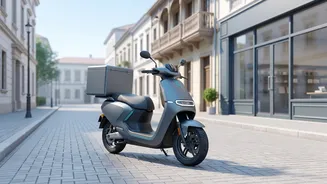
Demand was often present in these markets, but access was not. The biggest historical barrier has been logistics. Traditional delivery networks were built for dense urban corridors, making it inefficient and expensive to service remote or less populated areas. However, a new generation of logistics-tech companies is solving this last-mile puzzle. They are creating distributed infrastructure, partnering with local kirana stores to act as delivery hubs, and using AI-powered route optimisation to make deliveries more efficient. Innovations like micro-fulfilment centers and hyperlocal delivery models are reducing shipping times and improving reliability, which in turn builds the consumer confidence needed for repeat purchases. While challenges like poor road infrastructure and informal addresses remain, the progress in logistics has been a key enabler of digital commerce's geographic expansion.