



What is GRAP and How Does It Work?
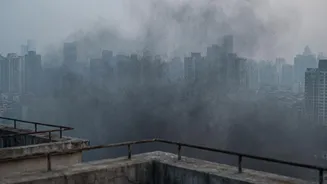
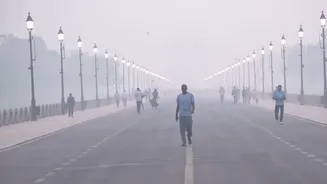
The Graded Response Action Plan, or GRAP, is a set of emergency measures that are activated to combat rising air pollution in Delhi and its surrounding National Capital Region (NCR). Instead of a single set of rules, GRAP is divided into four stages,
each triggered by a different level of air quality deterioration. The Commission for Air Quality Management (CAQM) invokes these stages based on the Air Quality Index (AQI). Stage I starts when the AQI is 'Poor' (201-300), Stage II when it's 'Very Poor' (301-400), Stage III for 'Severe' (401-450), and Stage IV for 'Severe+' (above 450). The restrictions are cumulative, meaning that when a higher stage is invoked, the rules from all the lower stages also apply. On October 21, 2026, Stage I was implemented as the air quality entered the 'poor' category.
Rules for Interstate Buses
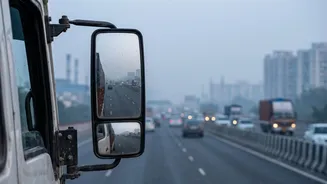
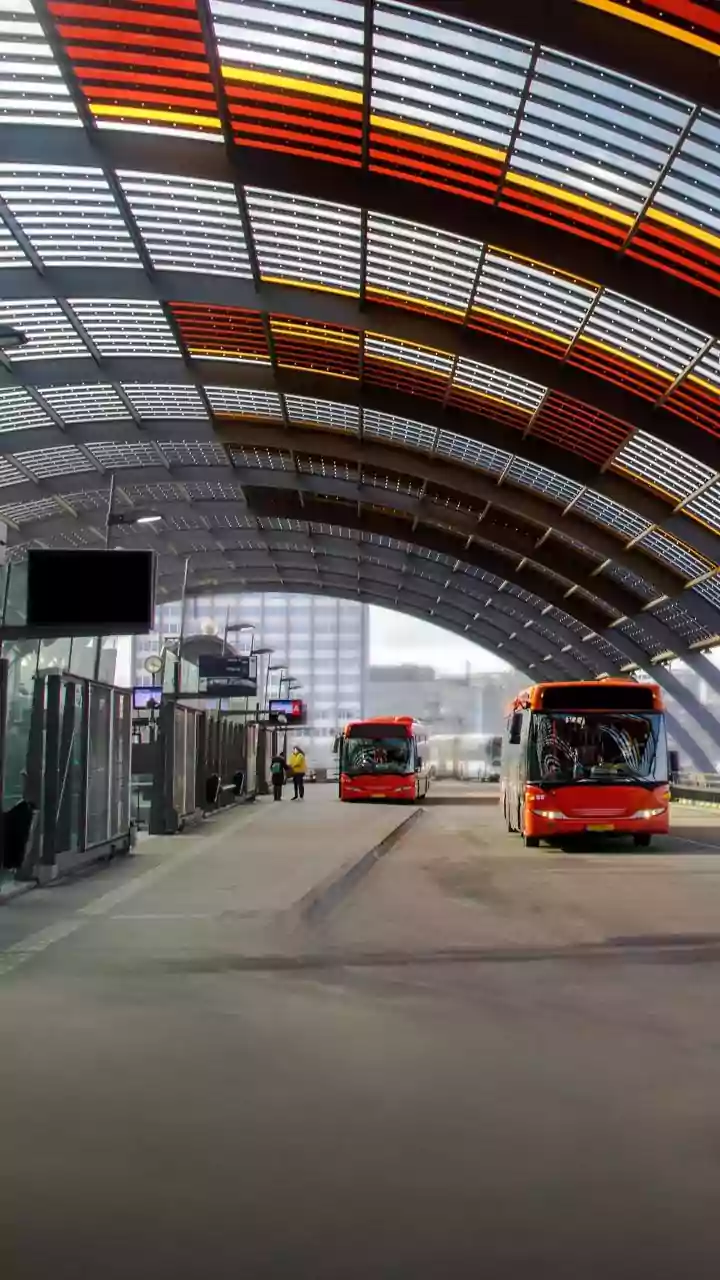
Under the revised GRAP framework for 2026, restrictions on interstate buses now begin from Stage I, a significant change from previous years when they started at Stage II. This means that as soon as the air quality turns 'poor', inter-city and inter-state buses coming from Haryana, Uttar Pradesh, Rajasthan, and adjoining states like Punjab, Himachal Pradesh, and Uttarakhand are not allowed to operate in Delhi-NCR unless they are electric, CNG, or BS-VI compliant diesel vehicles. This rule applies to all such buses, including those with All India Tourist Permits, which were previously excluded. For commuters relying on bus services from these states, this could mean reduced availability of older buses once GRAP is in effect.
Impact on Private Cars From Other States
For interstate commuters using their own cars, the most significant restrictions come into play at Stage III. When the AQI enters the 'Severe' category, the use of BS-III petrol and BS-IV diesel light motor vehicles (LMVs) is banned in Delhi and the NCR districts of Gurugram, Faridabad, Ghaziabad, Gautam Buddh Nagar, and, new for 2026, Sonipat. If you are driving a car from another state, you must be aware of its emission standard (Bharat Stage or BS) and fuel type. You can find this information on your vehicle's registration certificate. Cars that are BS-VI (petrol or diesel), BS-IV petrol, CNG, or electric are not affected by this particular restriction at Stage III and can continue to ply. The long-standing ban on petrol vehicles older than 15 years and diesel vehicles older than 10 years also remains in force and is strictly enforced during GRAP.
Regulations for Outstation Commercial Fleets
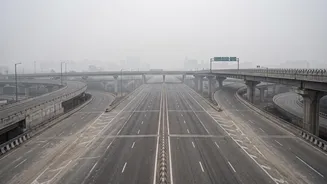
Commercial fleet operators face some of the strictest regulations under GRAP. A major change for 2026 is the removal of exemptions for goods vehicles carrying essential commodities. When Stage III is active, the entry of diesel-powered light commercial vehicles registered outside Delhi is restricted. At Stage IV, the rules become even tighter. Trucks are not allowed to enter Delhi at all, unless they are electric, CNG, or BS-VI compliant and carrying essential goods. Furthermore, all BS-IV diesel heavy and medium goods vehicles are banned from operating within Delhi. A transitional window for some BS-IV vehicles was scheduled to end on October 31, 2026, tightening the norms further for incoming commercial traffic. Fleet managers must plan their logistics carefully, as these rules can be invoked with little notice, severely impacting supply chains.
Key Exemptions and How to Stay Informed
While the rules are stringent, there are specific exemptions. Vehicles used for essential and emergency services are generally permitted to operate regardless of the active GRAP stage. Additionally, specially adapted vehicles for persons with disabilities are exempt from the BS-III petrol and BS-IV diesel car ban at Stage III. Given that GRAP stages are dynamic and based on real-time and forecast air quality data, the most crucial step for any interstate traveller or fleet operator is to stay updated. Decisions are announced by the CAQM and are widely reported by major news outlets. Before starting your journey towards Delhi-NCR during the high-pollution winter months, always check the current GRAP status to ensure your vehicle is compliant and to avoid significant fines or being turned away at the border.