








Monitor the Weather Like a Local
The mountains have their own rhythm, and during monsoon, the weather can change in an instant. Before you leave and every morning of your trip, check the forecast from a reliable source like the India Meteorological Department (IMD). The IMD issues specific
alerts (like orange or red) for heavy rainfall, which are crucial indicators of potential risk. Pay close attention to warnings about landslides and flash floods, particularly during the first week of July when rainfall can be intense. Following advisories issued by the state and local authorities is non-negotiable for your safety.
Plan Your Route and Have a Backup
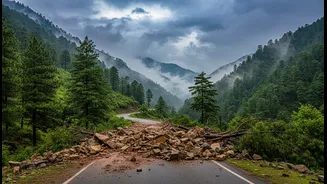
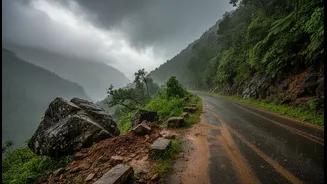
Many roads in Himachal are marvels of engineering, carved into mountainsides. During the monsoon, these lifelines can become hazards. Landslides and flash floods can block major highways like NH-5 (Kalka-Shimla) and NH-3 (Mandi-Kullu-Manali) with little warning. Before starting your journey each day, check the live road status. Official sources and even local driver networks can provide real-time updates. It's wise to choose your destinations carefully, as some districts like Kinnaur, Kullu, Mandi, and Chamba are more vulnerable. Always have a backup plan or a buffer day in your itinerary in case a road closure forces a delay. Avoid travelling at night when visibility is low and the risk of unspotted hazards is high.
On-the-Ground Awareness is Key
Once you're in Himachal, the most important safety rule is to respect the local environment and heed warnings. The Beas, Sutlej, and Ravi rivers can swell dangerously and with surprising speed. Authorities consistently advise tourists to stay away from riverbanks, streams, and other water bodies, especially during heavy rain. Standing on a boulder for a photograph or camping too close to the water can be a fatal mistake. If you're trekking, stick to designated trails, move in groups, and inform local authorities or your hotel of your route.
Pack Smart for the Hills
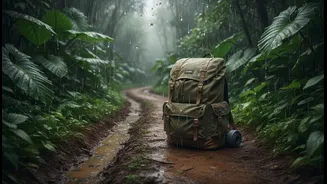
Your packing list for a monsoon trip to Himachal should prioritize safety and comfort over style. Waterproofing is essential – from your jacket and shoes to bags for your electronic devices. Carry a well-stocked first-aid kit with basic medicines, antiseptic, and bandages. A power bank is a must, as power cuts can occur during heavy rains. It's also prudent to carry some cash, as ATM connectivity can be unreliable in remote areas. Booking reliable hotels and taxis in advance can make your travel smoother and safer.
Vehicle and Driver Preparedness
If you are driving your own vehicle, ensure it's serviced and monsoon-ready, with special attention to tyres, brakes, and wipers. Hill driving requires immense concentration; always keep to the left, avoid overtaking on sharp bends, and use the horn on blind corners. If hiring a cab, opt for experienced local drivers who understand the terrain and its risks. They are often the best source of information on which routes are safe. Never mix drinking with driving; the challenging mountain roads demand your full attention.
Keep Emergency Contacts Handy
While communication networks have improved, some areas still have patchy service. Before you travel, save important helpline numbers. The single emergency number for India is 112. Other critical numbers include Police (100), Ambulance (108), and the Disaster Management cell (1077). Having these numbers saved on your phone and perhaps even written down can be invaluable in an emergency.