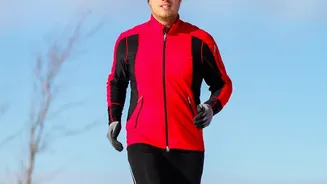








As temperatures dip, the crisp air can feel invigorating, but for athletes with asthma, it presents a unique challenge. Cold, dry air is a common trigger for asthma symptoms, but that doesn't mean you have to move your workouts indoors for the season.
Understanding the Cold Air Trigger
When you have asthma, your airways are already sensitive and inflamed. Breathing in cold, dry air irritates them further. This irritation causes the muscles around the airways to tighten, a condition known as bronchospasm, leading to symptoms like coughing, wheezing, chest tightness, and shortness of breath. The cold also prompts your body to produce more mucus, which can be thicker than usual, making breathing even more difficult. The rapid breathing that comes with exercise means you inhale more of this cold, dry air directly through your mouth, bypassing the warming and humidifying effect of your nose.
Plan Before You Go
A safe workout begins long before you step outside. Start by consulting with your doctor to ensure your asthma is well-controlled and to create an asthma action plan specifically for exercise. This might include using your quick-relief (rescue) inhaler 15 to 30 minutes before your workout to prevent symptoms. Always check the local weather forecast and air quality index. Extremely cold days or periods of high air pollution might be better suited for an indoor workout. Finally, let a friend or workout partner know your route and that you have asthma, and always carry your rescue inhaler with you.
Warm-Up and Cool-Down Are Non-Negotiable
A proper warm-up is crucial for preparing your lungs for activity. Spend at least 10 to 15 minutes warming up indoors before heading out. This can include light cardio like jogging in place or dynamic stretching. A gradual warm-up helps your airways acclimate to the increased airflow, reducing the shock of the cold air. Similarly, a cool-down is just as important. Instead of stopping abruptly, gradually decrease your intensity over the last 10 minutes of your workout, preferably as you transition back indoors. This prevents the sudden change in air temperature from triggering post-exercise symptoms.
Dress in Smart Layers
Your clothing is your first line of defense. The key is layering with the right materials. Start with a base layer made of a synthetic, moisture-wicking fabric like polyester or polypropylene to pull sweat away from your skin. Avoid cotton, which holds moisture and can make you cold. Your middle layer should provide insulation; fleece or wool are excellent choices. The outer layer should be a breathable, windproof, and waterproof shell. Most importantly, cover your nose and mouth with a scarf or a mask. This simple step helps warm and humidify the air before it reaches your sensitive lungs, significantly reducing irritation.
Pace Yourself and Listen to Your Body
During your workout, be mindful of your body's signals. You may need to adjust the intensity of your exercise compared to workouts in milder weather. Consider activities with less intense breathing patterns, such as brisk walking or cycling, over highintensity running. Stay hydrated by drinking water before, during, and after your workout to keep your airways moist. Be alert for the early signs of an asthma flareup, such as coughing, wheezing, or unusual fatigue. If you feel symptoms starting, stop exercising immediately, use your rescue inhaler, and rest. Do not try to 'push through' breathing difficulties.