

Why Oman is Your Next Adventure
Oman is fast becoming the go-to destination for Indian youth seeking adventure without the crowds. Its appeal is clear: it’s just a three to four-hour flight from major Indian cities, the eVisa process is straightforward for Indian passport holders, and
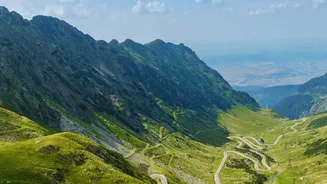
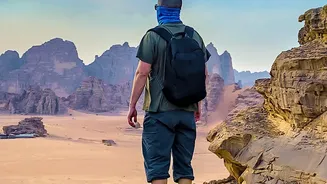
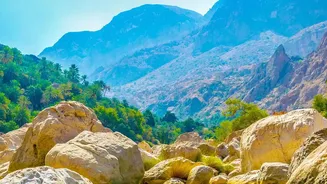
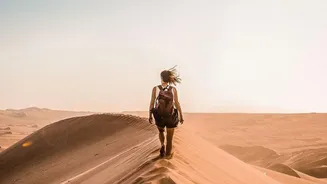
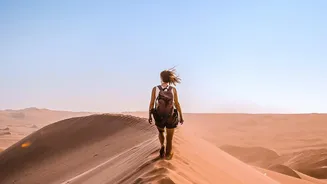
it offers a level of safety and hospitality that makes independent travel a breeze. But the real draw is the landscape. Beyond the pristine mosques and bustling souqs of Muscat lie dramatic mountains, turquoise wadis (valleys), and the endless, rolling dunes of the desert—an accessible wilderness perfect for a self-driven expedition.
Securing Your Ride: The Car Rental Game
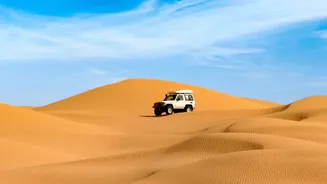
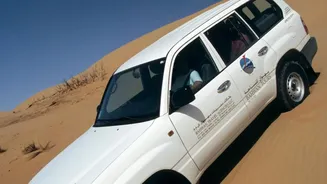
A successful Omani road trip hinges on one thing: the right vehicle. While a standard sedan is fine for Muscat, the desert demands a 4x4. To access iconic spots like the Sharqiyah Sands (also known as Wahiba Sands) or the mountains of Jebel Akhdar, a four-wheel-drive is mandatory, with police checkpoints often in place to enforce this. Indian travellers will need a valid Indian driving license, an International Driving Permit (IDP), their passport, and a credit card for the security deposit. While some agencies might rent to drivers as young as 21, most require you to be 25. Expect to pay anywhere from 30 to 60 OMR per day for a capable 4x4 like a Toyota Fortuner or Mitsubishi Pajero. Booking in advance online often secures better rates.
From City to Dunes: Choosing Your Trail
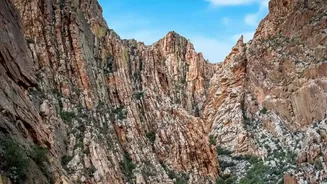
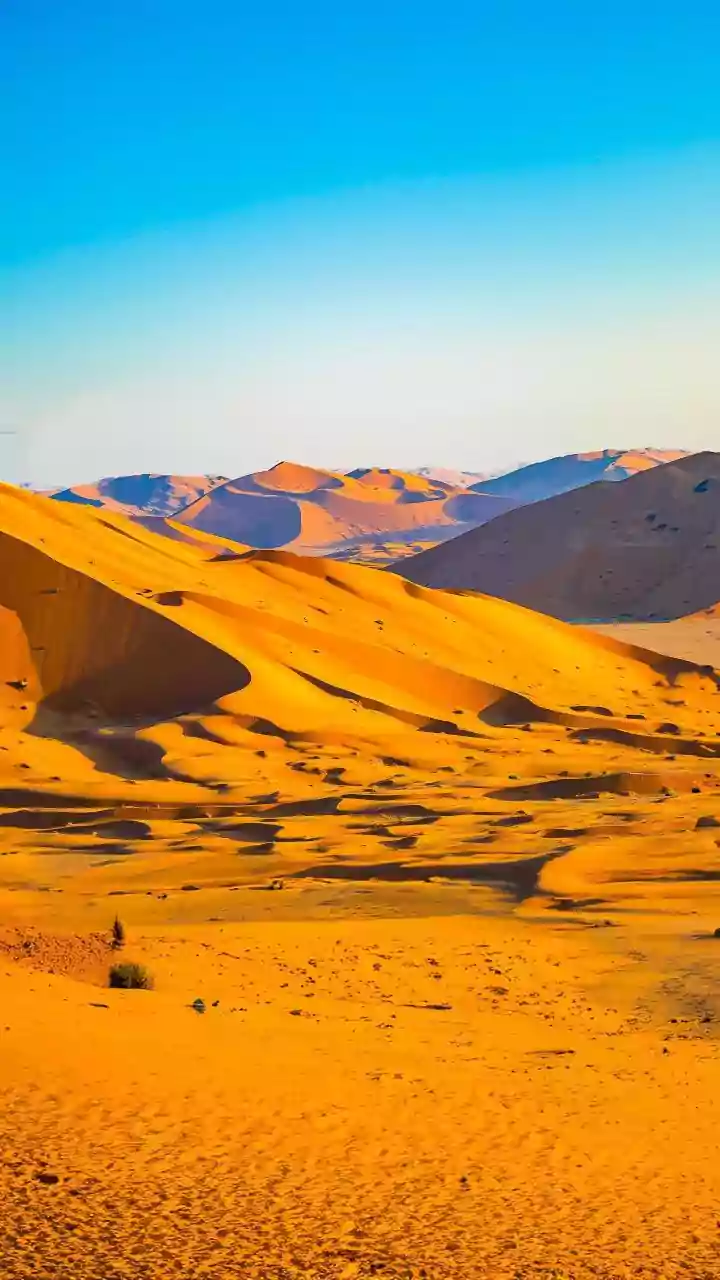
With your 4x4 secured, the adventure begins. From Muscat, several world-class desert trails are within a few hours' drive. The most popular choice for first-timers is the Wahiba Sands, located about three hours from the capital. This classic route offers towering golden dunes and the chance to experience Bedouin hospitality. Before entering the sand, you'll need to deflate your tires to around 15-18 PSI for better traction—local petrol stations at the edge of the desert can help with this. Another incredible destination is Jebel Shams, Oman's own 'Grand Canyon', about a 3.5-hour drive from Muscat. The drive to the summit offers breathtaking views and access to hiking trails like the famous Balcony Walk.
The Art of Wild Camping
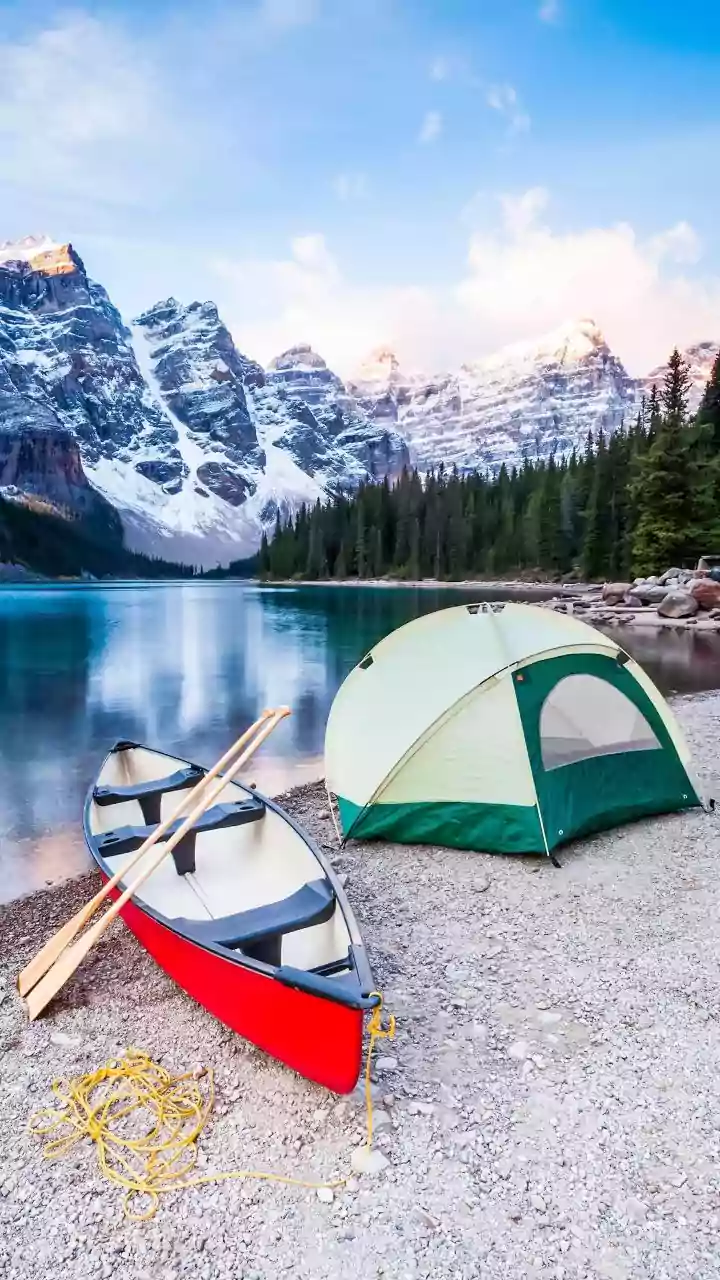
One of Oman's greatest attractions for backpackers is that wild camping is legal and widely accepted on public land. You can pitch a tent on a secluded beach, in the heart of the desert, or in the mountains, free of charge. This freedom allows for unparalleled stargazing and a true sense of solitude. However, it comes with responsibilities. The golden rule is 'leave no trace'—pack out everything you bring in. It's also crucial to avoid camping in wadis during potential rainfall, as flash floods can be a real danger. While Oman is incredibly safe, even for solo female travellers, it’s always wise to camp away from villages to respect privacy and to let someone know your general itinerary.
Essential Gear and Safety Tips
A desert trip requires preparation. Always carry more water than you think you'll need, along with sufficient food supplies. Mobile signal can be non-existent deep in the dunes, so downloading offline maps on an app like Google Maps is essential for navigation. Pack layers, as desert nights can get surprisingly cold, dipping to 10°C in winter. For your vehicle, ensure you have a spare tyre and know how to change it. While many rentals offer unlimited mileage, it's wise to confirm the fuel policy and be aware of insurance details—damage from off-road driving is often not covered by basic plans, so check for add-on options.