



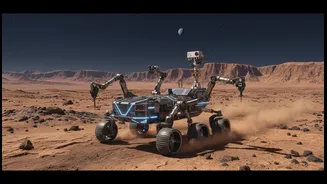



The STRIDE for a New Generation
On July 8, 2026, NASA announced it had selected seven commercial partners under its STRIDE initiative, which stands for Science Transport and Robotic Innovation for Deployment and Exploration. With a total potential value of around $17 million, these
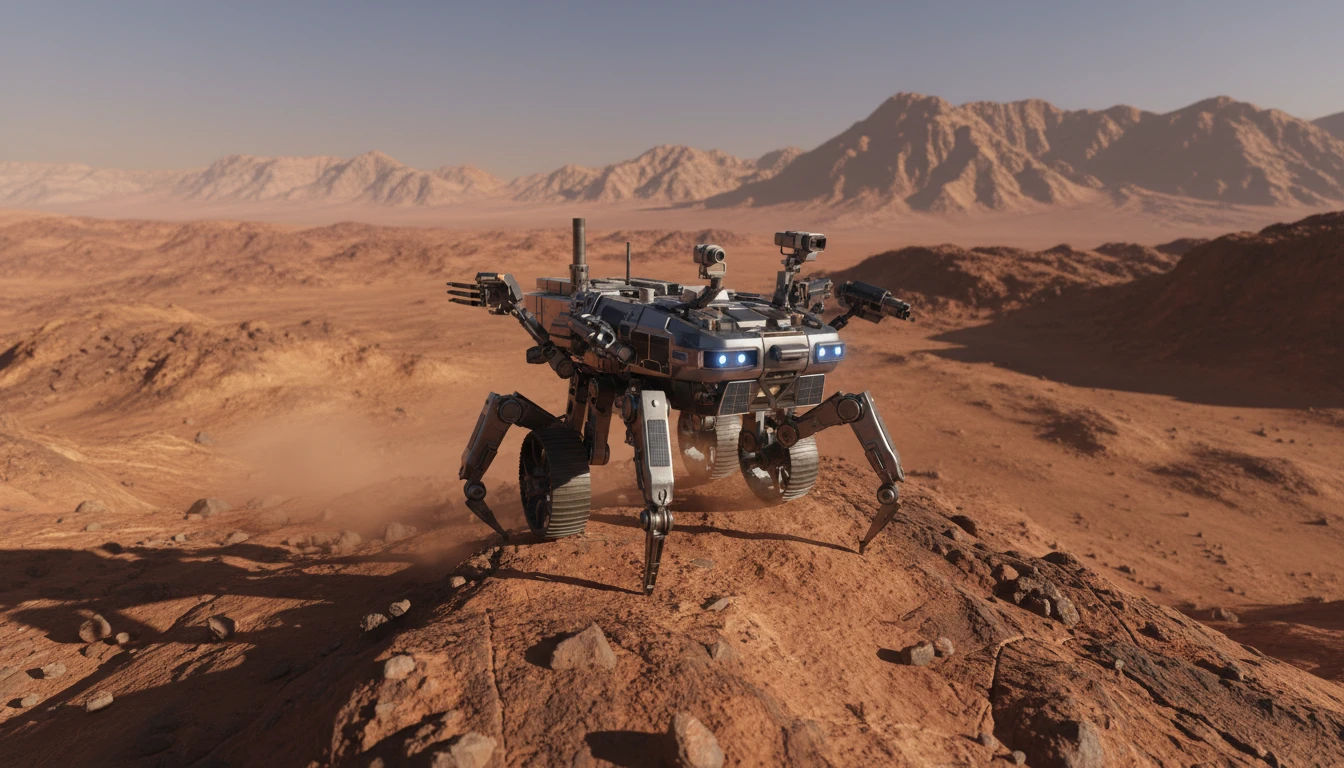
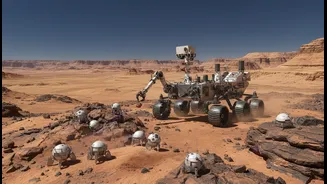
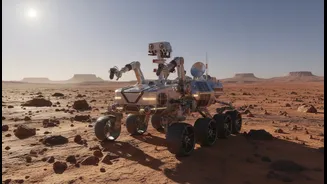
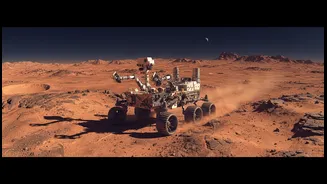
contracts aim to push the boundaries of robotic mobility on Mars. The selected companies include a mix of established aerospace players and innovative newcomers: AeroVironment, Astrobotic, Venturi Astrolab, Ground Control Robotics, Honeybee Robotics, Intuitive Machines, and MEI Technologies. Their mission is to design and prototype systems—both on the ground and in the air—that can go farther and navigate the kind of treacherous terrain that has kept valuable scientific sites out of reach for current rovers.
What 'Development Contract' Really Means
This is where managing expectations becomes critical. These are not contracts to build the next rover that will land on Mars. Instead, they are early-stage development awards, more akin to research and development grants. NASA is investing in multiple concepts to see which ones prove most promising. This approach is part of a broader agency strategy, often seen in programs like 'Tipping Point,' which funds technologies that are close to maturity but need an extra push to become viable for both government missions and the commercial market. By funding several companies at once, NASA fosters competition, accelerates innovation, and lowers its own risk. Not every design developed under these STRIDE contracts will necessarily fly; some may prove unworkable or too costly, and that’s a built-in part of the process. The goal is to mature the technology itself.
Building on a Robotic Legacy
NASA's history on Mars is a story of iterative robotic success, from the small Sojourner rover in 1997 to the sophisticated Perseverance rover and its companion Ingenuity helicopter. Each mission has been a stepping stone, providing crucial data not just about Mars but about what it takes to operate a robot 100 million miles from home. Previous rovers have struggled with challenges like fine Martian sand and power-inhibiting dust storms. The STRIDE initiative is a direct response to these limitations. It calls for systems that can handle more complex landscapes, giving future missions the ability to explore steep crater walls, ancient riverbeds, and other scientifically rich but hard-to-reach locations. This program isn't about replacing what works; it's about inventing what comes next.
A Commercial Partnership for the Red Planet
The structure of the STRIDE awards highlights a fundamental shift in how NASA operates. The agency is increasingly acting as a client for a burgeoning private space industry rather than building everything in-house. This public-private partnership model allows NASA to tap into the agility and innovation of the commercial sector while identifying key capability gaps it will need to fill for its long-term goals, including eventual human missions to Mars. For the companies involved, a modest contract of a few million dollars isn't just about the money. It’s an official foothold in NASA's Mars exploration plans, lending them immense credibility and positioning them for much larger, more lucrative contracts in the future. It’s a vote of confidence that can attract further private investment.