





What Exactly Are Ultra-Processed Foods?
Ultra-processed foods, or UPFs, aren't just foods that have been changed from their natural state. The term comes from the NOVA classification system, which groups foods by their level of industrial processing. UPFs are in Group 4. These are industrial formulations,
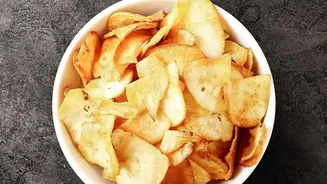
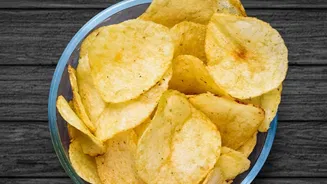
typically with five or more ingredients, including additives not used in home cooking like emulsifiers, artificial flavors, and preservatives. Think of things like packaged snacks, sugary drinks, mass-produced breads, breakfast cereals, and ready-to-eat meals. They are different from 'processed foods' (Group 3), like canned vegetables or cheese, which are modified but closer to their original state, and 'unprocessed or minimally processed foods' (Group 1) like fresh fruit, vegetables, meat, and eggs.
What the Latest Science Says
A growing body of evidence consistently links high consumption of UPFs to a wide range of poor health outcomes. Recent large-scale reviews and studies have shown strong associations between diets high in UPFs and an increased risk of over 30 damaging health conditions. Convincing evidence shows higher UPF intake is linked to about a 50% increased risk of cardiovascular disease-related death and a 48-53% higher risk of anxiety and common mental disorders. Furthermore, highly suggestive evidence points to a 21% greater risk of death from any cause, a 40-66% increased risk of death from heart disease, and a 22% increased risk of depression. A June 2026 study found that for every 10% increase in calories from UPFs, health markers like body weight, blood sugar, and blood pressure worsened.
Why Are They A Concern?
Scientists are exploring several reasons why UPFs are so strongly linked to negative health effects. It may not just be because they are often high in sugar, salt, and unhealthy fats. Some research suggests the industrial processing itself plays a role. These processes can strip food of beneficial nutrients and fiber while altering the food's physical structure. Additives like emulsifiers and artificial sweeteners may disrupt the gut microbiome, which is crucial for overall health. Furthermore, UPFs are often designed to be 'hyper-palatable,' making them easy to overeat before your body can signal that it's full, which can lead to weight gain and associated issues.
Not All Processing is Bad
It’s important to remember that not all food processing is harmful. Many processing methods are essential for making food safe and accessible. Pasteurizing milk, canning beans, and freezing vegetables are all forms of processing that preserve nutrients and prevent spoilage. These fall into the 'processed' or 'minimally processed' categories and are distinct from 'ultra-processed' foods. The concern with UPFs lies in the high degree of industrial manipulation and the combination of ingredients that are far removed from whole foods. The goal isn't to avoid all processed foods, but to be more aware of the proportion of ultra-processed items in your diet.
A Practical Approach to Your Plate
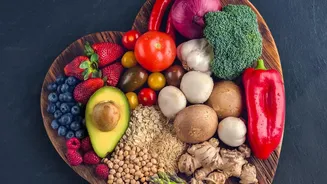
Understanding UPFs isn't about creating food fear or demanding a perfect diet. It's about awareness. A practical first step is to look at food labels to identify long lists of unfamiliar ingredients. Instead of trying to eliminate all UPFs at once, consider simple swaps. Could you replace a sugary breakfast cereal with oatmeal, or a pre-packaged snack with a piece of fruit? Focusing on a diet rich in whole and minimally processed foods—like vegetables, fruits, legumes, whole grains, and lean proteins—is a proven strategy for better health. Even small, consistent changes, like cooking one more meal from scratch each week, can reduce your reliance on UPFs and improve your overall diet quality.