





Your First Instrument: Your Eyes and an App
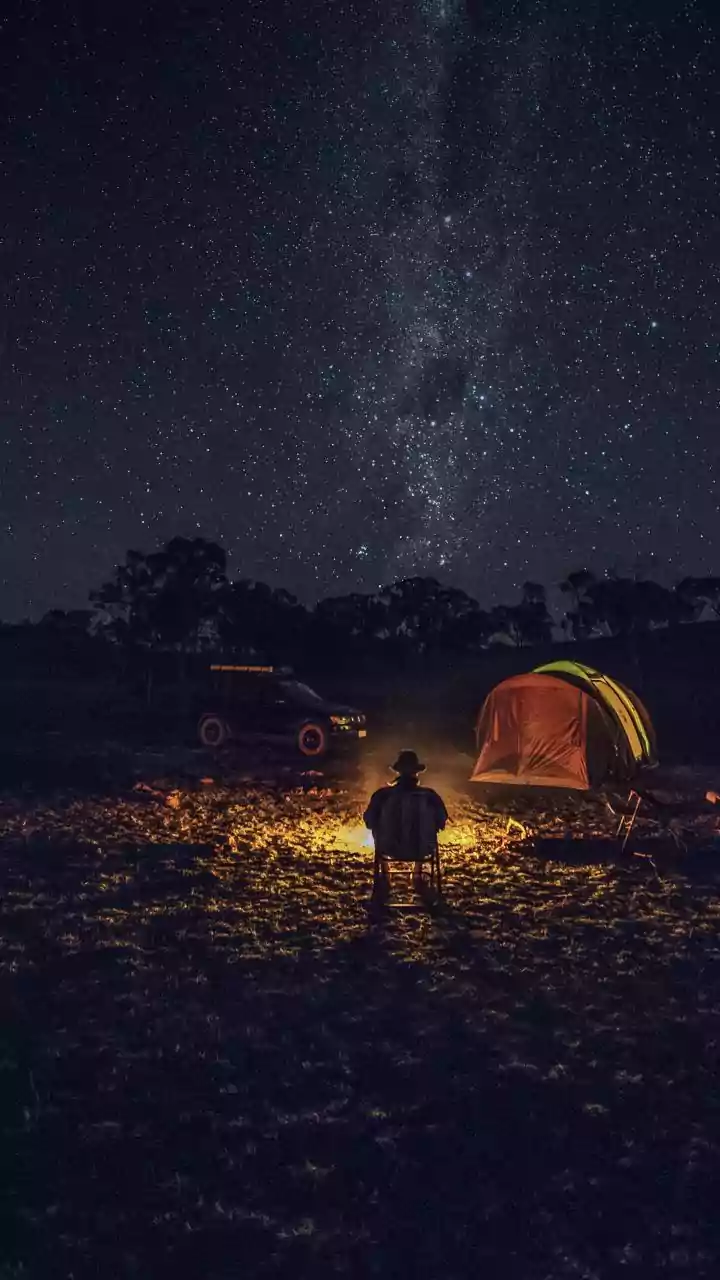
The cheapest and most important stargazing tool you have is your own eyes. Before spending a single rupee, spend a few nights just looking up from the darkest spot you can find. Learn to spot the major constellations and the brightest stars. To help,
download a free stargazing app on your smartphone. Apps like Stellarium, SkyView Lite, or Celestron's SkyPortal use your phone's GPS and compass to show you exactly what you're looking at in real-time. They are invaluable for learning your way around the celestial neighbourhood and will remain useful even with advanced equipment.
The Real Best First Purchase: Binoculars
Counterintuitive as it may sound, your first optical instrument should not be a telescope. Nearly every seasoned astronomer, and even NASA, recommends starting with a good pair of binoculars. Why? They are affordable, portable, and versatile for other hobbies like birdwatching. Most importantly, they provide a wide, right-side-up view of the sky, which makes it much easier to learn constellations and find objects compared to a telescope, which can show images upside down or mirrored. A good pair of 7x50 or 10x50 binoculars will reveal thousands more stars than your naked eye, show you the craters on the Moon, the largest moons of Jupiter, and bright star clusters and nebulae. This is the smartest first investment for any budding astronomer.
Ready for a Telescope? Think Dobsonian
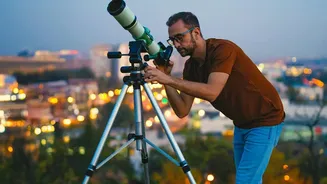
After you’ve learned the sky with binoculars and are certain you want to see more, it's time for your first telescope. Resist the temptation of cheap, department-store telescopes that promise ridiculously high magnification; they often have poor optics and flimsy mounts that lead to frustration. For beginners on a budget, the undisputed champion of value is the Dobsonian reflector. This type of telescope uses a large mirror to gather light and sits on a simple, sturdy, rotating box mount. Dobsonians offer the most light-gathering power (aperture) for your money. A 6-inch or 8-inch tabletop or full-size Dobsonian is a fantastic first serious telescope that will last a lifetime, showing you clear views of Saturn’s rings, Jupiter's cloud bands, and distant galaxies and nebulae. Models like the Sky-Watcher Heritage 150P or Apertura AD8 are frequently recommended for their balance of performance and price.
Essential (and Inexpensive) Accessories
A few extra items can dramatically improve your stargazing experience without costing much. First, get a planisphere, or star wheel. This simple, non-digital tool helps you identify which constellations are visible on any given night and time. It’s a reliable backup to any app. Second, you absolutely need a red-light flashlight. Using a white light, even from your phone, ruins your night vision, which takes up to 30 minutes to fully adapt to the dark. A red light allows you to read your star chart or adjust your equipment without blinding yourself. You can buy a dedicated red headlamp or simply tape red cellophane over a regular flashlight. Finally, a comfortable chair and warm clothing are non-negotiable; you’ll be sitting still and looking up for long periods, and even summer nights can get chilly.