



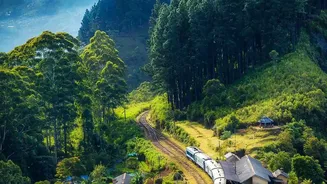
More Than a Trip, It's a Mindset
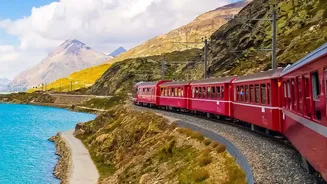
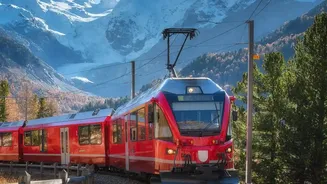
Slow rail travel isn't just about choosing a train over a plane; it's a philosophy. It's the conscious decision to trade a frantic, checklist-driven itinerary for a more immersive and meaningful experience. This growing trend prioritises connection over consumption,
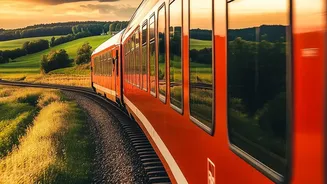
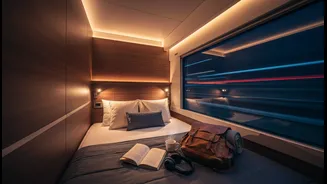
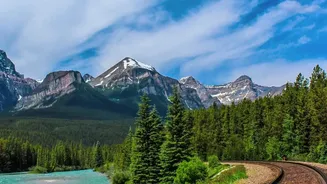
allowing travellers to soak in the landscapes, cultures, and communities they pass through. Instead of arriving at a destination feeling like you need another holiday, the slow travel approach ensures the journey itself is restorative, giving you time to read, reflect, or simply watch the world roll by from your window. The goal shifts from 'seeing everything' to truly 'feeling' a place, fostering a deeper connection that is often lost in the rush of conventional tourism.
The Sustainable Journey
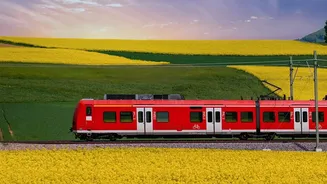
As travellers become more conscious of their environmental footprint, the appeal of rail travel has grown significantly. Trains are one of the most eco-friendly ways to travel, producing dramatically fewer carbon emissions per passenger than flying. For instance, some train journeys can reduce a traveller's carbon emissions by up to 90% compared to an equivalent flight. This shift is part of a wider 'Rail Revival,' with bookings for train-based holidays seeing a significant increase as people seek lower-impact adventures. Beyond just CO2, trains also help reduce noise pollution and use land more efficiently than vast networks of airports and highways. For the eco-conscious traveller, choosing the train is a tangible way to explore the world more responsibly.
India's Iconic Rail Adventures
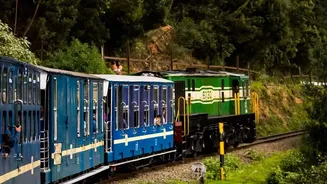
India, with its vast and historic railway network, offers some of the world's most spectacular slow travel experiences. For those seeking opulence, luxury trains like the Maharajas' Express and the Palace on Wheels offer a journey back in time, with lavish cabins and royal hospitality. The Deccan Odyssey explores the rich landscapes of Maharashtra and its surroundings. But slow rail isn't exclusively about luxury. The country is crisscrossed with breathtakingly scenic routes accessible to all. The Kalka-Shimla Railway, a UNESCO World Heritage site, winds through the Himalayan foothills, navigating over 100 tunnels. The journey from Mandapam to Rameswaram over the Pamban Bridge offers stunning sea views, while the Konkan Railway route from Mumbai to Goa showcases coastal beauty and lush greenery.
The Return of Comfort and Calm
A key driver of the slow rail trend is a collective fatigue with the stresses of modern travel. Unlike the cramped confines of an airplane or the stress of driving, trains offer space, comfort, and freedom. Passengers enjoy spacious seats with ample legroom, the ability to walk around, and often, amenities like dining cars and lounge areas that turn travel time into leisure time. There are no long security queues or frustrating baggage allowance rules. The rhythmic click-clack of the wheels on the track has a naturally calming effect, encouraging travellers to disconnect from their devices and reconnect with their surroundings and fellow passengers. It’s a return to a more civilised, humane way of moving through the world.