






Start with a Clean Slate
Before you even unwrap a vegetable or touch raw meat, your first line of defence against foodborne illness is clean hands and surfaces. Harmful germs can be found all over the kitchen, from countertops to cutting boards and even your own hands. The rule
is simple: wash your hands with soap and warm water for at least 20 seconds before, during, and after handling food. This is especially critical after touching raw meat, poultry, or seafood. Similarly, your cutting boards, utensils, and countertops need to be washed with hot, soapy water after each use. For an extra layer of safety, you can sanitize cutting boards with a solution of one tablespoon of unscented chlorine bleach per gallon of water.
The Critical Act of Separation
Cross-contamination is one of the most common causes of food poisoning. It’s the invisible transfer of harmful bacteria from one food item to another, often from raw foods to ready-to-eat foods. The most effective way to prevent this is to keep raw meat, poultry, seafood, and eggs separate from everything else. This applies to your shopping cart, refrigerator, and preparation area. Ideally, use different cutting boards—one for raw meats and another for fresh produce like salad vegetables. If you only have one, always prepare your vegetables first, then wash the board thoroughly with hot, soapy water before using it for meat. Never place cooked food on a plate that previously held raw meat without washing it first.
Wash Produce the Right Way
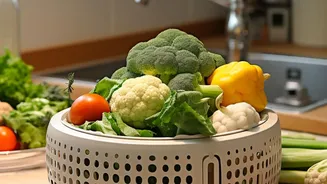
Rinsing fruits and vegetables under running water is a must, even for produce with skins or rinds you don't eat, like melons or avocados. Bacteria on the exterior can be transferred to the inside when you cut into it. For firm produce, it's best to use a clean vegetable brush to scrub the surface. While you may see special produce washes in stores, plain running water is considered sufficient by most food safety experts. It's important to note that you should not wash raw meat or poultry. Rinsing these items can splash bacteria onto your sink, countertops, and other surfaces, increasing the risk of cross-contamination.
Respect the Temperature Danger Zone
Harmful bacteria multiply rapidly at room temperature. This range, known as the 'temperature danger zone,' is between 5°C and 60°C. Perishable foods should never be left out for more than two hours, or just one hour if the temperature is high. This rule applies to the preparation phase, too. For instance, thawing frozen food on the kitchen counter is a major mistake, as the outer layers can enter the danger zone while the inside is still frozen. Safe thawing methods include placing the food in the refrigerator, submerging it in a leak-proof bag in cold tap water (changing the water every 30 minutes), or using the microwave. Likewise, you should always marinate food inside the refrigerator, not on the counter.