





Start with a Strategic Plan
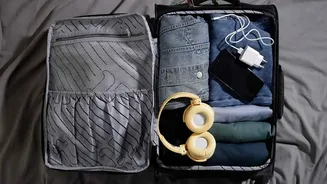
Before a single item goes into your suitcase, the most crucial step is planning. This is where your 'notes' come into play. Create a detailed checklist that goes beyond just listing clothes. Think in terms of categories and situations. Divide your list into 'must-stay-dry'
items (electronics, documents), 'quick-dry' clothing, and 'wet-weather gear' (raincoat, umbrella). This initial plan forces you to think strategically about what you truly need. Consider the specific activities you'll be doing. Will you be hiking through muddy trails or navigating city streets? Your notes should reflect this, ensuring you pack purposeful gear rather than just guessing. This master list becomes the blueprint for an organised and stress-free packing experience.
The Golden Rule: Wet and Dry Zones
The core of successful monsoon packing is compartmentalisation. Your bag must become a fortress with clear boundaries between wet and dry. Invest in water-resistant packing cubes or heavy-duty zip-seal bags to create this separation. Designate specific cubes for clean, dry clothes and another set exclusively for damp or dirty laundry. This prevents moisture and musty smells from spreading to your fresh outfits. Even within your daypack, maintain this discipline. A small dry bag is perfect for protecting your phone, wallet, and a portable battery pack during a sudden downpour. By establishing these zones before you even leave home, you create a system that’s easy to maintain throughout your trip, ensuring a dry set of clothes is always waiting for you.
Protecting Documents and Electronics
Water is the enemy of modern travel essentials like passports, tickets, and gadgets. Double or even triple-layering your protection is not overkill. Start by placing individual electronic items in waterproof pouches or zip-lock bags. Then, group these smaller bags within a larger dry bag inside your main luggage. For crucial documents, consider a dedicated waterproof folder. It's also wise to have digital backups of everything—tickets, hotel confirmations, and identification—saved to a cloud service. Power cuts can be more frequent during the rainy season, so a fully charged power bank, itself kept in a waterproof pouch, is a non-negotiable item.
Solving the Laundry Problem
Doing laundry during the monsoon is a challenge, as high humidityAnonymous July 24, 2026means clothes take forever to dry. The solution starts with your choice of fabric. Prioritise synthetic, quick-dry materials like nylon and polyester over cotton, which absorbs and holds moisture. Pack fewer, better items. Merino wool is another excellent option as it dries quickly and resists odour. Always pack a separate, dedicated bag for wet or dirty clothes to contain dampness and odours. A lightweight travel clothesline and a few pegs can be invaluable for hanging damp clothes in your hotel room, ideally near an air-conditioner outlet to speed up drying. Don't let a pile of soggy clothes ruin your trip; a little preparation makes all the difference.
Choosing the Right Outer Gear
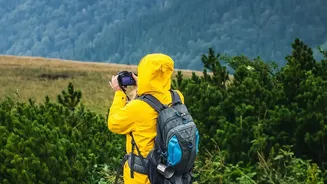
Your primary defence against the elements is what you wear and carry. While an umbrella is useful for light showers, a lightweight, foldable, and truly waterproof jacket or poncho is essential for heavier rain and windy conditions. When choosing a backpack, opt for one made of water-resistant material, and seriously consider one that comes with a dedicated rain cover for full protection during a downpour. Footwear is just as important. Pack sturdy, slip-proof sandals or waterproof shoes that can handle wet, muddy streets. Avoid shoes that soak up water and will never dry. A quick-drying microfibre towel is also far more practical than a standard cotton one, as it takes up less space and will be ready to use again much faster.