



What Exactly Is a Self-Watering Planter?
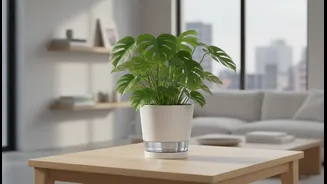
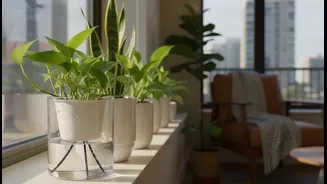
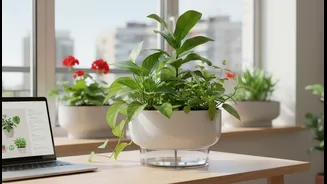
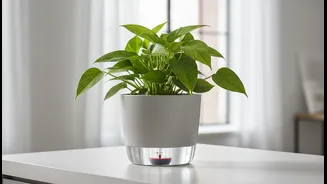
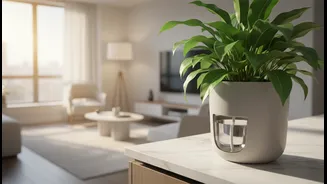
At its core, a self-watering planter is a clever container designed to give your plants a consistent supply of moisture without daily watering. It consists of two main parts: an upper compartment for the soil and plant, and a lower reservoir that holds
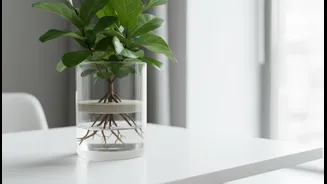
water. A wicking system, often a fabric rope or a porous material, connects the two. Through a natural process called capillary action, the wick draws water up from the reservoir into the soil as the plant needs it. This 'bottom-up' watering method allows the plant to regulate its own water intake, effectively solving two of the most common gardening problems: overwatering and underwatering.
Why the Trend Is Blooming Now
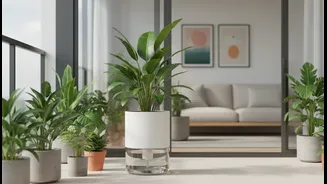
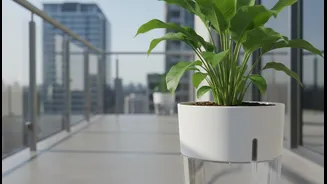
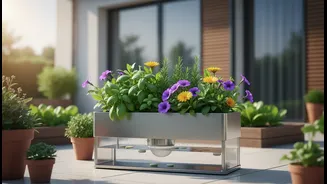
The rise of self-watering planters in India isn't happening in a vacuum. It’s closely tied to the larger boom in urban gardening. As city dwellers look for ways to connect with nature, improve their wellness, and even grow their own herbs and vegetables, the appeal of home gardens has soared. Balconies, windowsills, and terraces are being transformed into green sanctuaries. However, modern life is demanding. For busy professionals, frequent travellers, or those new to gardening, keeping plants alive can be a challenge. Self-watering systems offer a practical solution, providing 'plant insurance' for those who can't stick to a rigid watering schedule. They make gardening more accessible and less intimidating for everyone.
The Key Benefits for Indian Gardeners
Beyond convenience, these planters offer distinct advantages suited to the Indian context. One of the most significant is water conservation. In a country where water scarcity is a pressing issue, especially during hot summers, these pots are incredibly efficient. Water is stored in the covered reservoir, which minimises wastage through evaporation and runoff. They also ensure plants remain hydrated during intense heatwaves. For anyone who has gone on a short vacation only to return to wilted, sad-looking plants, these planters are a game-changer, with some systems able to sustain a plant for over a week. This consistency promotes healthier, more robust root growth and vibrant foliage, letting you enjoy the beauty of plants without the constant worry.
Choosing the Right Planter for Your Home
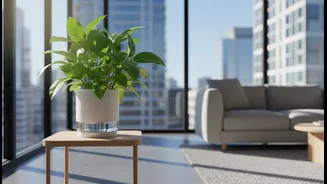
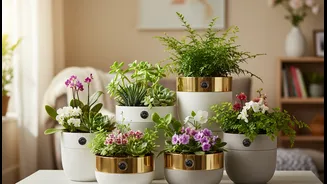
With their growing popularity, the market is now filled with options. When choosing a planter, consider its size, ensuring it's appropriate for the mature size of your plant to allow for healthy root development. Materials range from lightweight, durable plastics to more aesthetic ceramic or terracotta versions. Check the capacity of the water reservoir; a larger one is better if you travel often. You can find them at local nurseries, home decor stores, and a wide array of online platforms, available in various styles and price points to match any home aesthetic.
Plants That Thrive in Self-Watering Systems
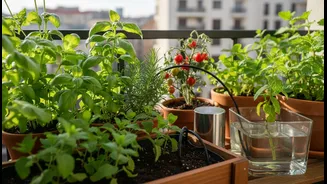
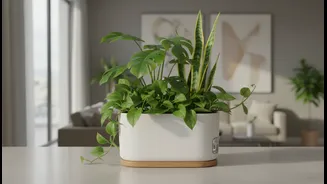
While many plants benefit from this system, some are particularly well-suited. Plants that prefer consistently moist soil are the best candidates. This includes many popular Indian houseplants like the Money Plant (Pothos), Peace Lily, Spider Plant, and various ferns. Many common herbs such as basil, mint, and parsley also flourish with a steady supply of water. However, it's important to note that these planters are not ideal for all plants. Succulents and cacti, which need their soil to dry out completely between waterings, can be prone to root rot in a constantly moist environment and are better off in traditional pots.