




Why Your Desk Needs a Plant
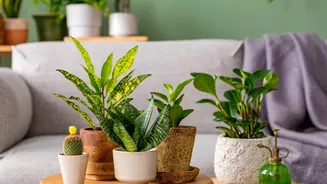
Before we dive into our top two picks, let's talk about why adding a plant to your study area is a great idea. Studies have shown that the presence of indoor plants can help reduce stress, improve concentration, and boost your overall mood. In a space
where focus is key, having a bit of nature nearby can provide a calming visual break from screens and textbooks. It’s a simple, low-cost way to make your study environment healthier and more enjoyable, which can lead to better productivity and well-being. Even a quick glance at some green leaves can help you feel more relaxed and centered during a long study session.
The Go-To Greenery: Pothos
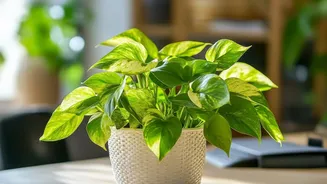
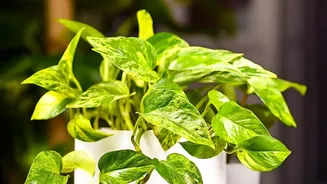
Often called the 'cubicle plant', Pothos (Epipremnum aureum) is perfect for beginners and busy students. Its reputation for being nearly indestructible is well-earned. This plant features attractive, heart-shaped leaves and grows in trailing vines, which you can let cascade down a shelf or train to climb. Pothos is extremely forgiving and adaptable, making it one of the easiest houseplants to care for. It's a fast grower, so you get the satisfaction of seeing it flourish without much effort. Its lush appearance can quickly make any sterile desk corner feel more like a vibrant, living space.
Caring for Your Pothos
The key to Pothos care is not to over-care. It thrives in a wide range of lighting conditions, from low light to bright, indirect sunlight. However, placing it in very bright, direct sun can scorch its leaves. The biggest mistake new owners make is overwatering. Allow the top inch or two of the soil to dry out completely before watering again. If the leaves start to turn yellow, it's often a sign of too much water. It's a resilient plant that can easily bounce back from a bit of neglect, making it a reliable study companion.
The Unkillable Classic: Snake Plant
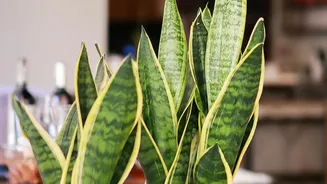
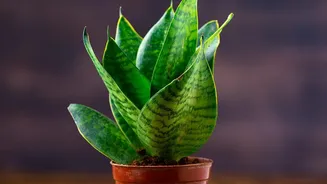
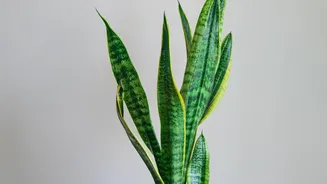
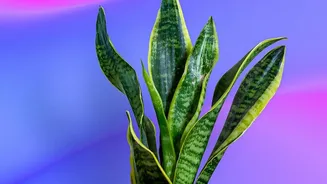
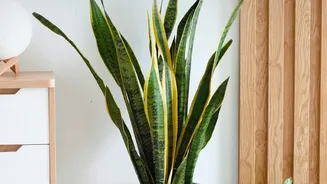
The Snake Plant (Dracaena trifasciata), also known as mother-in-law's tongue, is another champion of low-maintenance greenery. Its stiff, upright, sword-like leaves create a modern, architectural look that fits well in small spaces. These plants are succulents, meaning they are incredibly drought-tolerant and can survive for weeks without water. They are also known for being exceptionally hardy and can tolerate low light conditions, although they do best in moderate to bright indirect light. Its slow-growing nature means it won't outgrow its spot on your desk for a long time.
Caring for Your Snake Plant
Caring for a snake plant is incredibly simple. The golden rule is to avoid overwatering, which can cause root rot. Wait until the soil is completely dry before giving it a thorough watering, which might be as infrequent as every 2-6 weeks depending on your room's conditions. They are not fussy about humidity and can handle the dry air common in many homes. Just wipe the leaves with a damp cloth occasionally to keep them dust-free. A word of caution: snake plants are toxic if ingested, so it's best to keep them out of reach of curious pets and children.
The Air-Purifying Question
Both Pothos and Snake Plants are famously mentioned in NASA's 1989 Clean Air Study for their ability to remove toxins like formaldehyde and benzene from sealed environments. While this is true in a controlled lab setting, it's important to have realistic expectations for your room. You would need a large number of plants to significantly purify the air in a typical, ventilated bedroom. However, they do contribute to a healthier indoor environment. Snake plants are particularly interesting as they release oxygen at night, a process known as Crassulacean Acid Metabolism, making them a popular choice for bedrooms. But their primary, noticeable benefit will be the psychological boost and aesthetic appeal they bring to your desk.