

Venus: The Dazzling Evening Star
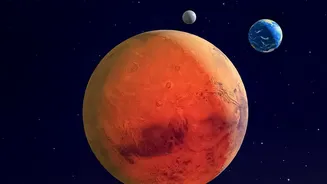
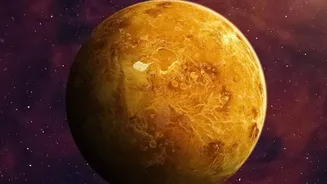
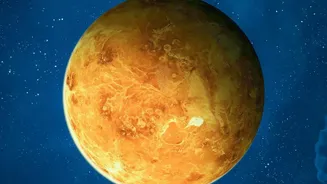
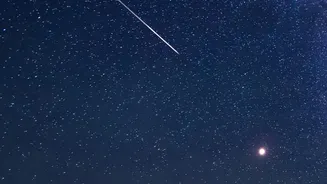
Throughout September, sky-gazers will be treated to an exceptionally bright Venus, which will dominate the western sky shortly after sunset. The planet reaches its peak brilliance, or greatest illuminated extent, on September 18, shining at a dazzling
magnitude of -4.8. This is bright enough to be easily spotted even from light-polluted cities. The reason for this brilliance is a combination of factors. Venus is relatively close to Earth during this period, and its phase, a slimming crescent, combined with its apparent size, creates the greatest illuminated area from our viewpoint. Venus is so bright primarily because it is shrouded in thick, highly reflective clouds of sulfuric acid that bounce about 70-75% of the sunlight they receive back into space. This high reflectivity, known as albedo, makes it the brightest planet in our sky.
How to Spot Brilliant Venus
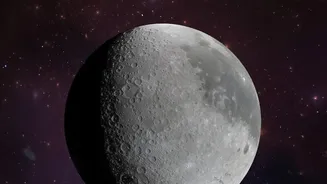
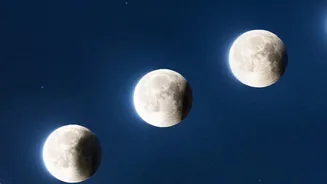
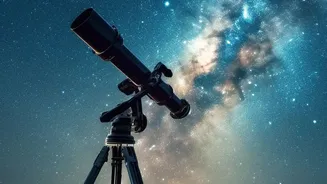
To see Venus, look to the west just after sunset. Early in the month, it will be higher in the sky, setting about an hour or so after the sun. As September progresses, it will appear lower toward the horizon but will maintain its stunning brightness. On September 13 and 14, the crescent Moon will pass near Venus, creating a beautiful pairing in the evening twilight. This provides a fantastic photo opportunity and an easy way to locate the planet. You won't need a telescope to enjoy the view, as Venus will outshine every other star-like object. Its steady, unwavering light is also a key identifier, distinguishing it from the twinkling of distant stars.
The Famous Harvest Moon
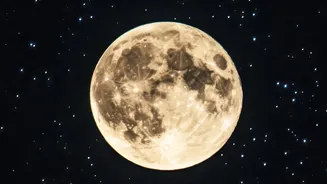
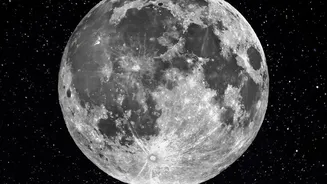
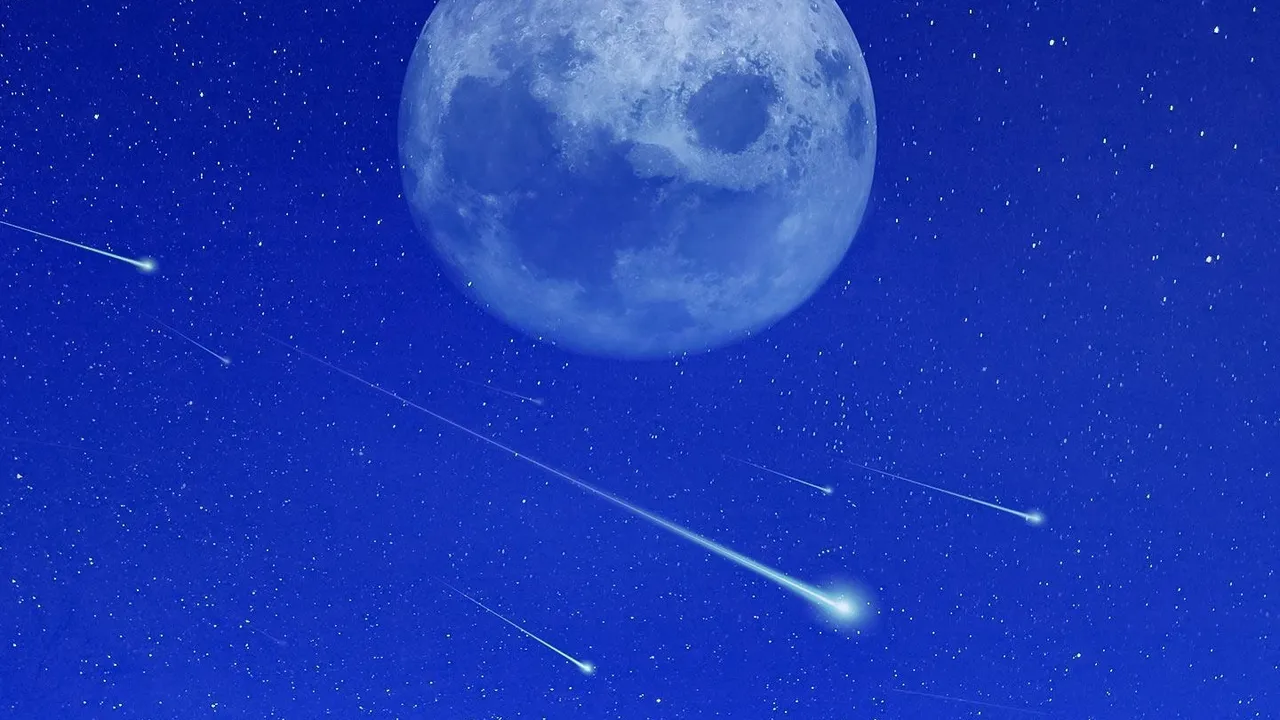
The other major celestial event this month is the Harvest Moon, which will reach peak fullness on Saturday, September 26, 2026. The name “Harvest Moon” is given to the full moon that occurs closest to the autumnal equinox (September 22 in 2026). Before the advent of electricity, farmers relied on this moonlight to extend their working day and bring in the harvest. While the September full moon is also known as the Corn Moon, the name Harvest Moon takes precedence when it's the closest one to the equinox.
The Science of the Harvest Moon Effect
What makes the Harvest Moon special is not just its name, but its behavior. For several nights in a row around the time of the full moon, it rises at nearly the same time—only about 25 to 30 minutes later each evening, compared to the usual 50-minute delay. This phenomenon is most noticeable in the Northern Hemisphere and is due to the shallow angle that the Moon's orbital path makes with the eastern horizon in early autumn. This results in several consecutive evenings of bright moonlight shortly after sunset, effectively providing a natural lantern for anyone outdoors. The moon might also appear to have a golden or reddish hue when it is low on the horizon. This is because its light is passing through more of Earth's atmosphere, which scatters the bluer light and allows more of the red light to reach our eyes.