






A Gut Feeling of Uniqueness
For decades, medical research has been dominated by studies on Western populations, creating a gap in our understanding of health in other parts of the world. A wave of new studies focusing on South Asia is changing that. Researchers have discovered that the gut
microbiome of people in India and neighbouring countries is significantly different from that of Europeans or North Americans. These studies, some of the largest of their kind in the region, have created the first reference databases for the South Asian gut, revealing a wealth of new information. They’ve identified nearly a million microbial genes unique to the Indian gut that were not previously catalogued, highlighting a distinct microbial signature. This breakthrough is crucial because it suggests that a 'one-size-fits-all' approach to gut health and medicine may not be effective globally.
The Prevotella Predominance
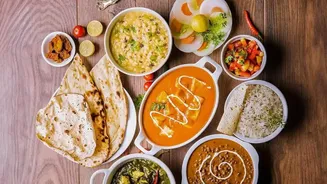
So, what makes the South Asian gut different? One of the most consistent findings is the dominance of a bacterial genus called Prevotella. This bacterium is a master at breaking down complex carbohydrates and fibre, which are staples of traditional, plant-based Indian diets. In contrast, Western guts are often dominated by a different genus, Bacteroides, which is more adept at processing fats and proteins. The variation doesn't stop there. Studies show differences even within India. For instance, people in North India, who typically consume more plant-based diets, show higher levels of Prevotella. Meanwhile, populations in South India, with more omnivorous diets, have a microbiome that includes more Bacteroides, similar to Western patterns. This directly links what we eat to the tiny residents in our gut.
The Link to Diet and Disease
This unique microbial makeup is more than a scientific curiosity; it has profound implications for health. South Asia is experiencing a rapid rise in metabolic diseases like type 2 diabetes, heart disease, and obesity. Scientists believe changes in the gut microbiome, driven by shifts away from traditional diets, are a major contributing factor. As people urbanise, their diets often change to include more processed foods, sugar, and fat. This 'Westernised' diet can lead to a decrease in beneficial bacteria like Prevotella and an increase in others linked to inflammation and metabolic issues. Researchers are now connecting the dots between these microbial shifts and the escalating rates of chronic diseases in urbanising India, suggesting that our gut bacteria act as a critical mediator between our lifestyle and our health.
A New Frontier for Indian Health
Understanding the unique nature of the South Asian microbiome opens a new frontier for healthcare in India. The research underscores the need for population-specific studies and cautions against applying findings from Western populations directly. Armed with this new data, scientists can now explore how specific microbial profiles may protect against or contribute to diseases prevalent in the region. This knowledge is the first step towards developing targeted interventions. The future of medicine in India could involve personalised nutrition plans based on an individual’s microbiome, or even the development of indigenous probiotics tailored to restore a healthy Indian gut. By biobanking samples from diverse communities, especially tribal groups with unique diets and high microbial diversity, researchers hope to preserve this 'microbial heritage' before it's altered by modern lifestyles.