

The Silent Epidemic Below the Waves
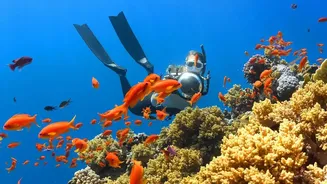
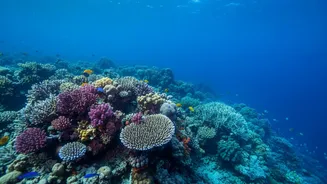
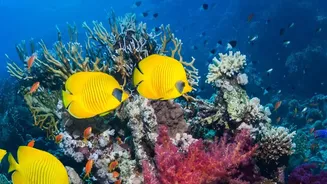
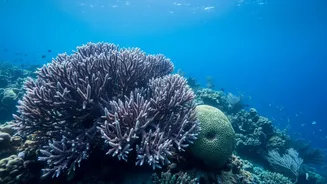
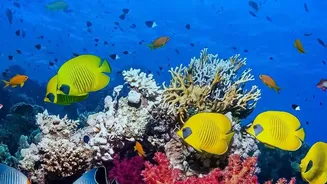
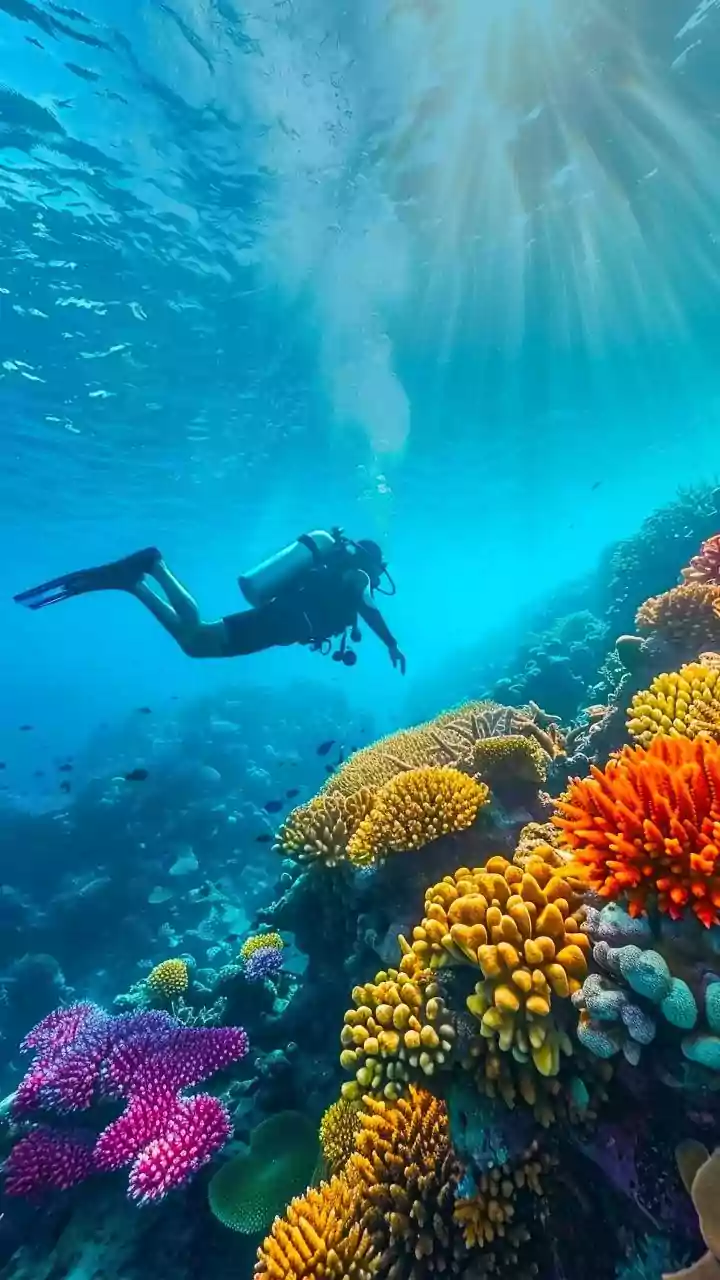
Coral reefs, often called the rainforests of the sea, support an astonishing 25% of all marine life despite covering less than 1% of the ocean floor. They are vital for hundreds of millions of people, providing food, jobs, and protection from coastal
storms. But this critical ecosystem is in grave danger. The primary culprit is climate change and the resulting rise in ocean temperatures. This triggers mass coral bleaching, a phenomenon where stressed corals expel the symbiotic algae living in their tissues, which provide them with food and their vibrant colour. Without these algae, the corals turn bone-white and, if the heat stress persists, they starve and die.
Hope in the Form of 'Super Corals'
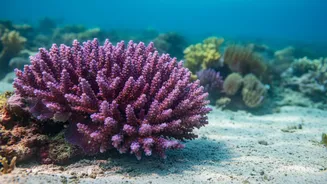
Not all corals respond to heat stress in the same way. Scientists have discovered that some individuals and species are naturally more resilient; they can withstand higher temperatures or recover more effectively from bleaching events. These tougher specimens are often nicknamed 'super corals'. Their resilience can come from several sources. Some have genetic traits that make them inherently hardier. Others host species of symbiotic algae that are themselves more tolerant of heat, effectively giving the coral a protective advantage. In some cases, corals have shown the ability to swap their regular algae for these more robust strains during a heatwave, a remarkable display of adaptation.
The High-Tech Hunt for Survivors
Finding these super corals is a critical first step. Scientists employ a range of methods to identify them. Expeditions target naturally extreme environments—like the exceptionally warm waters of the Gulf of Aqaba or shallow mangrove lagoons—where corals are already living at the edge of their tolerance. In the lab, researchers conduct 'rapid heat stress tests' by taking small fragments from healthy corals and placing them in tanks with progressively warmer water. This allows them to observe which individuals bleach and at what temperature. Alongside these tests, DNA sequencing helps pinpoint the specific genetic markers associated with heat tolerance, creating a blueprint for resilience that can be passed to future generations.
From Identification to Restoration
Simply identifying heat-tolerant corals isn't the end goal; it's the foundation of a proactive restoration strategy. Once identified, these resilient corals can be propagated in underwater or land-based nurseries through a process known as 'coral gardening'. Fragments are grown into larger colonies, which can then be outplanted onto degraded reefs. The goal is to introduce tougher genetic stock into vulnerable populations, boosting the overall resilience of the reef and its ability to withstand future marine heatwaves. This work is a race against time, but it represents one of the most promising strategies to help reefs adapt while global efforts to curb climate change continue. Some projects have already successfully grown and planted tens of thousands of resilient corals.