

Pumpkin (Kaddu): The Autumn Staple
October is synonymous with pumpkins, and for good reason. The mild, post-monsoon weather yields sweet, flavourful flesh perfect for a variety of dishes. Beyond its festive appeal, pumpkin is a nutritional powerhouse. It is exceptionally rich in beta-carotene,
an antioxidant that your body converts into Vitamin A, which is crucial for good vision and a strong immune system. Pumpkin is also low in calories and high in fibre, aiding in digestion and weight management. Its potassium content further helps in regulating blood pressure, making it a heart-healthy choice. In the kitchen, its versatility shines. Use it to make a simple, spiced sabzi, a creamy soup, a traditional sweet halwa, or even add it to sambar for a touch of sweetness and body.
Cauliflower (Gobi): Crisp and Abundant
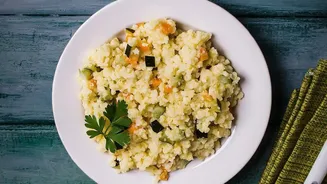
While available for many months, the cauliflower that arrives in October is noticeably crisper and sweeter as the weather cools. This cruciferous vegetable is packed with antioxidants and vitamin C, which help reduce inflammation and boost immunity. It's a staple in Indian households, famed for its role in classics like Aloo Gobi, Gobi Masala, and stuffed Gobi Parathas. More recently, it has gained popularity as a low-carb alternative, used to make cauliflower rice or even pizza crusts. For a simple and delicious preparation, try roasting the florets with turmeric and other spices until they are tender and slightly caramelised.
Sweet Potato (Shakarkandi): The Healthy Carb
Often seen roasting on street carts as winter approaches, sweet potato is a delicious and nutrient-dense root vegetable. It is an incredible source of Vitamin A, vital for eye health, skin, and immune function. Despite its sweet taste, it has a lower glycaemic index than regular potatoes, especially when boiled, leading to a slower rise in blood sugar. Rich in dietary fibre, shakarkandi supports digestive health and can keep you feeling full longer, aiding in weight management. A popular way to enjoy it is as a chaat—boiled, cubed, and tossed with spices and lime juice. It can also be baked into wedges, mashed as a side dish, or used in both savoury and sweet preparations.
Pomegranate (Anaar): Ruby Red Jewels
October sees the arrival of vibrant, juicy pomegranates. These fruits are not just beautiful; they are bursting with antioxidants, particularly punicalagins, which contribute to heart health. While pomegranate is cultivated year-round in some parts of India, the 'hasta bahar' or flowering induced in September-October brings a significant harvest to markets. This superfood is also rich in Vitamin C, which is essential for a robust immune system, especially during a season of weather change. Sprinkle the arils over salads, yoghurt, and raitas for a burst of colour and flavour, or simply enjoy a bowl of the fresh seeds on their own. The juice is equally popular and a refreshing way to get a concentrated dose of its nutrients.
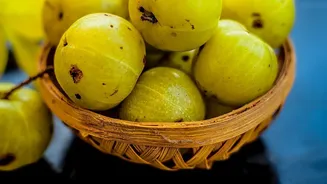
Indian Gooseberry (Amla): The Immunity Booster
The amla season begins in earnest from late September into October, making it a key fruit for the changing season. Renowned in Ayurveda, amla is one of the most potent natural sources of Vitamin C, containing as much as 20 oranges. This incredible vitamin content makes it a powerful immunity booster, helping the body fight off infections. It also supports digestion, enhances skin health by promoting collagen production, and helps regulate blood sugar levels. Due to its sour and astringent taste, amla is rarely eaten raw. It is most commonly consumed as a juice, made into a 'murabba' (sweet preserve), pickled, or dried into a powder to be used as a supplement.
Radish (Mooli): The Pungent Root
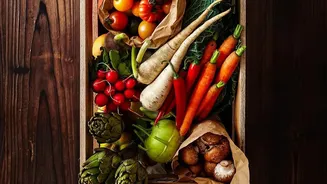
As temperatures begin to drop, the sharp, peppery crunch of radish becomes a welcome flavour in Indian meals. Sown around this time, fresh mooli begins to appear widely in markets. This root vegetable is an excellent source of dietary fibre and Vitamin C, which aids digestion and supports immunity. In many households, it’s grated and kneaded into dough to make the famous Mooli Paratha, a winter breakfast favourite. Its leaves are also edible and highly nutritious, often cooked into a delicious 'saag'. Raw, sliced radish is a common addition to salads, providing a pungent kick and a refreshing crunch that pairs well with heavier meals.