




The Protein Revolution in Indian Kitchens
A significant shift is happening in Indian households and shopping carts. According to the recently released Farmley Healthy Snacking Report 2026, a staggering 86% of Indian consumers now consider protein an important factor when choosing a snack. This
isn't just a trend confined to gym-goers or athletes; it's a mainstream movement. Protein is moving from the niche category of supplements to an everyday nutritional expectation. The report, which surveyed over 6,000 people across the country, highlights that consumers are making more intentional choices, seeking functionality and nutrition in every bite. This reflects a broader transformation where health and wellness are becoming central to purchasing decisions.
Why the Sudden Craving for Protein?
Several factors are fueling this protein boom. There's a growing awareness that traditional Indian diets, often rich in carbohydrates, can have a protein gap. As lifestyles become more urbanized and sedentary, people are looking for foods that provide sustained energy and satiety to avoid unhealthy munching. Protein fits this need perfectly, helping to keep you full longer. This shift is also driven by rising disposable incomes, increased health consciousness, and a desire for 'better-for-you' products. Consumers are no longer just eating to feel full, but eating to feel strong, support muscle health, and improve overall wellness.
The New Look of Indian Snacks
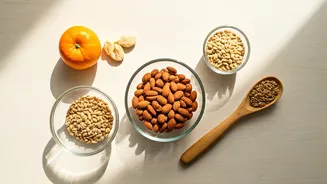
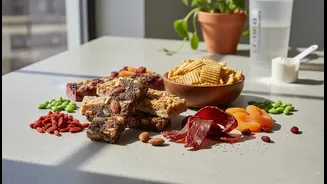
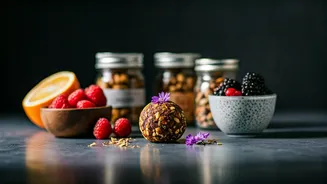
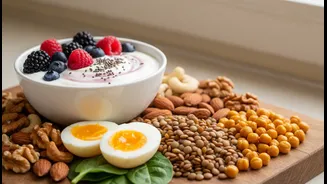
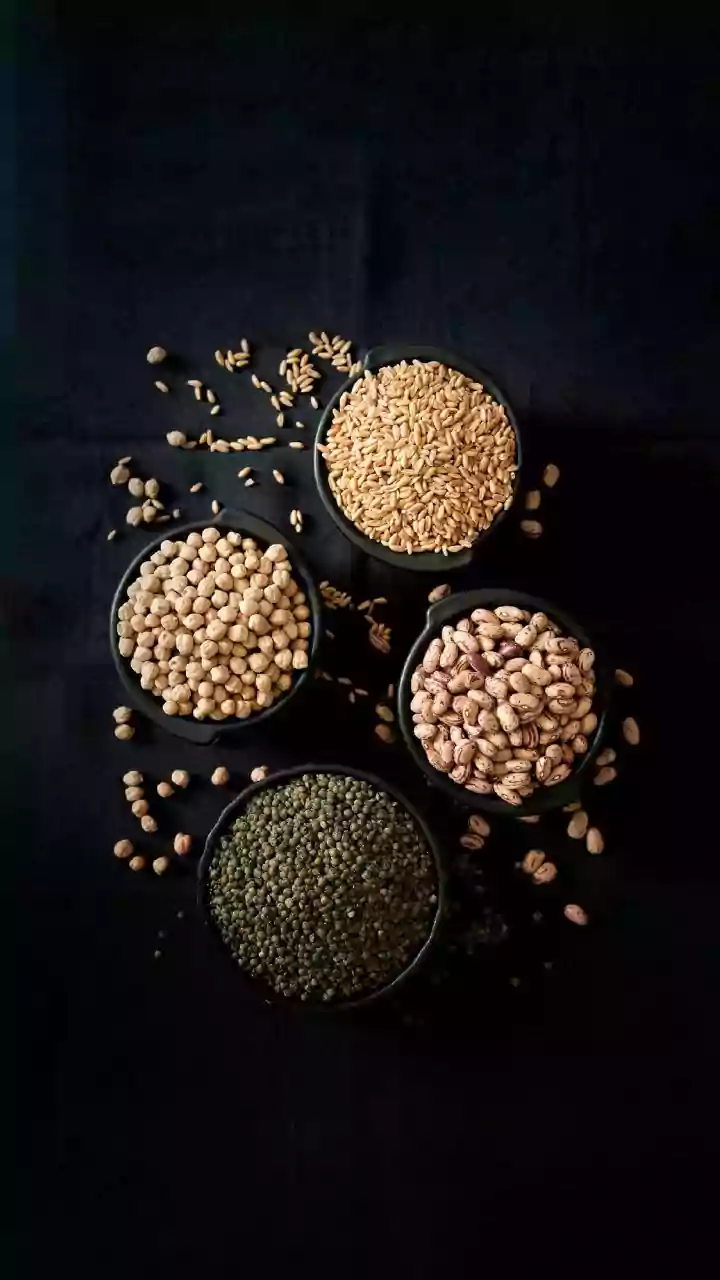
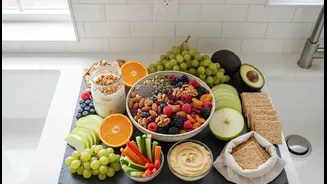
This demand is reshaping the snack aisle, both online and offline. While traditional protein staples like paneer and eggs remain popular, there is a surge in new and innovative formats. Consumers are embracing everything from protein bars, yogurts, and milkshakes to protein-fortified versions of everyday foods. At the same time, there is a renewed appreciation for traditional, naturally protein-rich Indian snacks. Items that have been part of Indian kitchens for generations are now being recognized for their nutritional value. Think of roasted chana (bhuna chana), sprouts salad, sattu drinks, paneer tikka, and moong dal chilla. These options are affordable, accessible, and align with the modern desire for wholesome, effective nutrition.
Transparency Over Celebrity Endorsements
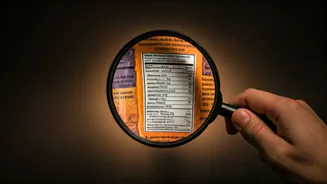
Today's consumer is not just looking for protein; they are also demanding transparency. The Farmley report found that 62% of respondents consider ingredient transparency the most crucial factor when choosing a brand, far outweighing celebrity endorsements. People want to know what's in their food, where it comes from, and its nutritional breakdown. There's also a strong preference for natural ingredients, with 61% of consumers favouring snacks sweetened with natural alternatives like jaggery or dates over refined sugar. This signals a clear move towards 'clean labels'—products with minimal, recognizable ingredients and no artificial additives.
The Market Responds to a Savvy Consumer
The food industry is taking note. Quick commerce platforms have reported a massive surge in demand for protein products, indicating a fundamental shift in buying habits. This trend is not limited to metros; smaller cities are also seeing rapid growth in demand for healthier options. In response, brands are expanding their portfolios to include a wide range of protein formats. Almost a third of consumers are willing to pay a premium for high-protein products, showing that this is a valuable market segment. Specialized nutrition is also an emerging area, with interest in snacks formulated for children's health and women's wellness needs.