

Choosing between steaming and roasting can feel like a minor decision, but it dramatically changes your final dish. The secret lies in one key element: water. Understanding how moist heat and dry heat work is the key to mastering vegetable texture.
The Gentle Power of Steaming
Steaming
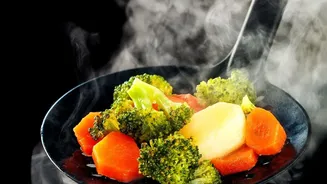
is a moist-heat cooking method that relies on hot water vapor to cook food. When you steam vegetables, they are placed above, not in, boiling water, allowing the circulating steam to cook them gently. This method is all about preservation. The heat from the steam works to break down the tough cellulose in the plant's cell walls, making the vegetables tender and easier to digest. However, because the vegetables are not submerged in water, they retain more of their structure, natural colour, and water-soluble nutrients, which can be lost during boiling. The result is a texture that is clean, firm, and tender. Steamed vegetables remain moist and plump because the humid environment prevents them from drying out. It is an ideal method for delicate vegetables or when you want the pure, unadulterated flavour of the produce to be the star.
The Intense Magic of Roasting
Roasting is a dry-heat method that uses the high, ambient heat of an oven to cook. This environment transforms vegetables in a much more dramatic way than steaming. The magic of roasting comes from two key chemical reactions: the Maillard reaction and caramelization. The Maillard reaction occurs at high temperatures (above 140°C) when the natural sugars and amino acids in vegetables react, creating hundreds of new flavour compounds and a signature brown crust. This is what gives roasted vegetables their savoury, nutty, and complex taste. Caramelization is the browning of sugar, which also happens at high heat, adding notes of sweetness and depth. For these reactions to occur, the surface of the vegetables must be dry; excess moisture will create steam and prevent browning. This is why roasting produces a delightful textural contrast: a crispy, browned exterior and a soft, concentrated interior.
Texture Showdown: Moist vs. Dry Heat
The fundamental difference in texture between steamed and roasted vegetables comes down to water. Steaming adds moisture in the form of water vapour, which gently softens the vegetable's structure while keeping it hydrated. This leads to a uniformly tender texture throughout, preserving the vegetable's natural crispness to a degree, without adding any crust or char. Steamed vegetables feel light and fresh in the mouth. Roasting, on the other hand, is about removing water. The dry heat of the oven causes moisture on the surface of the vegetables to evaporate, allowing the exterior to become dry, crisp, and browned. As the vegetable cooks, it loses some of its internal water, which concentrates its natural sugars and flavours, leading to a denser, sweeter, and more intensely flavoured final product with a distinctly varied texture—crispy edges give way to a soft centre.
When to Steam Your Vegetables
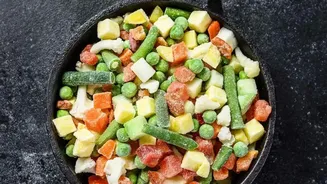
Choose steaming when your goal is to achieve a tender-crisp texture and preserve the delicate, fresh flavour of a vegetable. It's the perfect method for many green vegetables, where maintaining a vibrant colour is part of the appeal. Think of bright green broccoli florets, slender asparagus spears, or crisp green beans. Steaming is also excellent for leafy greens like spinach and chard, as it cooks them down quickly without making them waterlogged. Because it's a gentle process, it’s ideal for delicate vegetables that might fall apart with more aggressive cooking methods. It is also a very fast cooking method, often taking just a few minutes. If you want a vegetable side dish that feels light, clean, and nutritious, steaming is your best choice.
When to Roast for Best Results
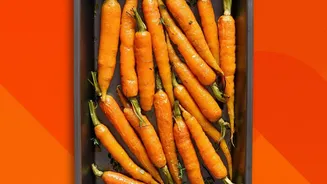
Opt for roasting when you want to create deep, complex, and sweet flavours. This method works exceptionally well for root vegetables like carrots, potatoes, sweet potatoes, and parsnips, as the high heat brings out their inherent sweetness through caramelization. Hearty vegetables like Brussels sprouts, cauliflower, and butternut squash are also transformed by roasting, turning nutty and tender. Roasting is the answer when you want a pleasingly crisp or browned texture that many people find irresistible. If you are cooking for someone who claims not to like vegetables, the rich, concentrated flavour developed during roasting can often win them over. Remember to use high heat—typically between 200°C and 230°C—and avoid overcrowding the pan to ensure your vegetables roast, not steam.