







The Problem with Counting Calories
The old mantra of 'calories in, calories out' is simple, but many are finding it to be flawed. Focusing solely on calorie numbers can create an unhealthy relationship with food, leading to stress and anxiety. It often ignores the nutritional quality of what
we eat. For instance, a 200-calorie serving of a sugary snack has a vastly different effect on your body than 200 calories of avocado or nuts. The former can lead to energy crashes and cravings, while the latter provides sustained energy and essential nutrients. This obsession with numbers can also disconnect us from our body's natural hunger and fullness cues, making it harder to eat intuitively.
Enter Fibre: The Unsung Hero
So, what makes fibre so special? Fibre is a type of carbohydrate that your body can't digest. Instead of being broken down into sugar, it passes through your system, playing a crucial role in health. There are two types: soluble fibre, which dissolves in water to form a gel-like substance, and insoluble fibre, which adds bulk to stool. Together, they are a powerhouse for your body. The benefits are extensive, including improved digestion, lower risk of chronic diseases like heart disease and diabetes, and better blood sugar control.
The Satiety and Gut Health Superstar
One of fibre's biggest advantages is its effect on satiety—the feeling of being full and satisfied. Because it slows down digestion, it keeps you feeling fuller for longer, which can naturally help reduce overall calorie intake without the stress of counting. This makes a fibre-focused approach more sustainable for weight management. Beyond that, fibre is essential for a healthy gut microbiome. It acts as a food source, or prebiotic, for the trillions of beneficial bacteria in your gut. A thriving gut microbiome is linked to everything from a stronger immune system to reduced inflammation and improved mental health.
How to Boost Your Fibre in an Indian Diet
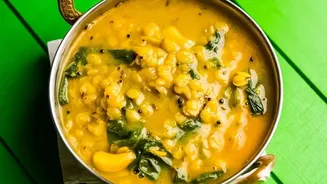
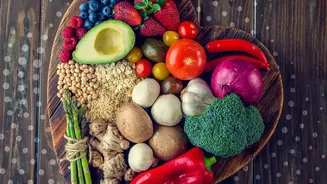
The good news is that a traditional Indian diet is naturally rich in fibre. To harness its benefits, focus on incorporating more whole foods. Millets like jowar, bajra, and ragi are excellent choices, as are whole wheat rotis and brown rice. Dals and legumes, such as chana, rajma, and moong dal, are fibre and protein powerhouses. Don't forget your vegetables; staples like bhindi (okra), spinach, and sweet potato are great sources. And for fruits, guava, apples (with the skin), and bananas are fantastic, easy additions to your daily meals. Making simple swaps, like choosing whole fruits over juices and whole grains over refined ones, can significantly increase your fibre intake.