






In India's bustling cities, a quiet but powerful shift is underway. Tired of generic, mass-produced items, urban shoppers are rediscovering the charm of local markets, seeking out the unique stories and fresh flavours they offer.
A Search for Authenticity
In an age of global supply
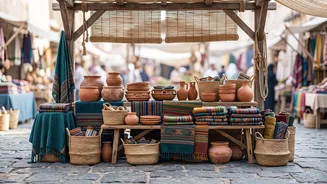
chains and identical high-street shops, many urban consumers are experiencing a kind of 'product fatigue'. The convenience of supermarkets and online mega-stores is undeniable, but it often comes at the cost of character. In response, a growing number of shoppers are actively seeking out goods with a story. According to a recent survey, over half of Indian consumers now prefer to shop from homegrown and small business brands. This trend is driven by a desire for authenticity, quality, and a connection to the products they bring into their homes. When you buy a hand-carved wooden bowl or a block-printed textile from a local market, you're not just acquiring an object; you're buying a piece of a tradition, a testament to a craftsperson's skill passed down through generations.
The Appeal of Handcrafted Quality
The Indian handicrafts market is experiencing significant growth, with projections showing it will expand considerably in the coming years. This isn't just about aesthetics; it's about a conscious choice for sustainability and uniqueness. Consumers, particularly millennials and Gen Z, are increasingly aware of the environmental impact of mass production. They are drawn to handmade goods that often use natural, eco-friendly materials like wood, clay, and natural fibres. Each handcrafted item is inherently unique, a clear departure from the uniformity of factory-made products. This shift is supported by a rising preference for brands that practice honest communication and ethical sourcing. Shoppers are willing to invest in items that align with their values, supporting local artisans and preserving cultural heritage in the process.
Freshness from Farm to Table
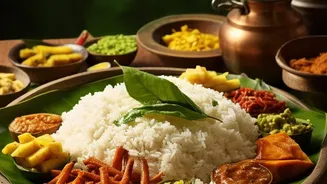
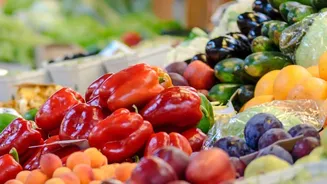
Beyond crafts, the allure of the local market extends to the food we eat. Urban dwellers are increasingly bypassing supermarket aisles for the vibrant, seasonal produce found at farmers' markets. The reasons are simple: freshness, flavour, and a direct connection to the source. Unlike produce that travels long distances, items at a local market are often picked just a day or two before being sold, retaining more nutrients and taste. This movement aligns with a broader trend towards health and wellness, with consumers paying more attention to what they eat. Talking to the farmer who grew your vegetables creates a level of trust and transparency that is impossible to replicate in a large retail chain. It fosters an appreciation for seasonal eating and supports local agricultural economies, which are a vital part of India's market landscape.
More Than a Market, a Community Hub
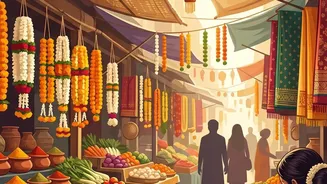
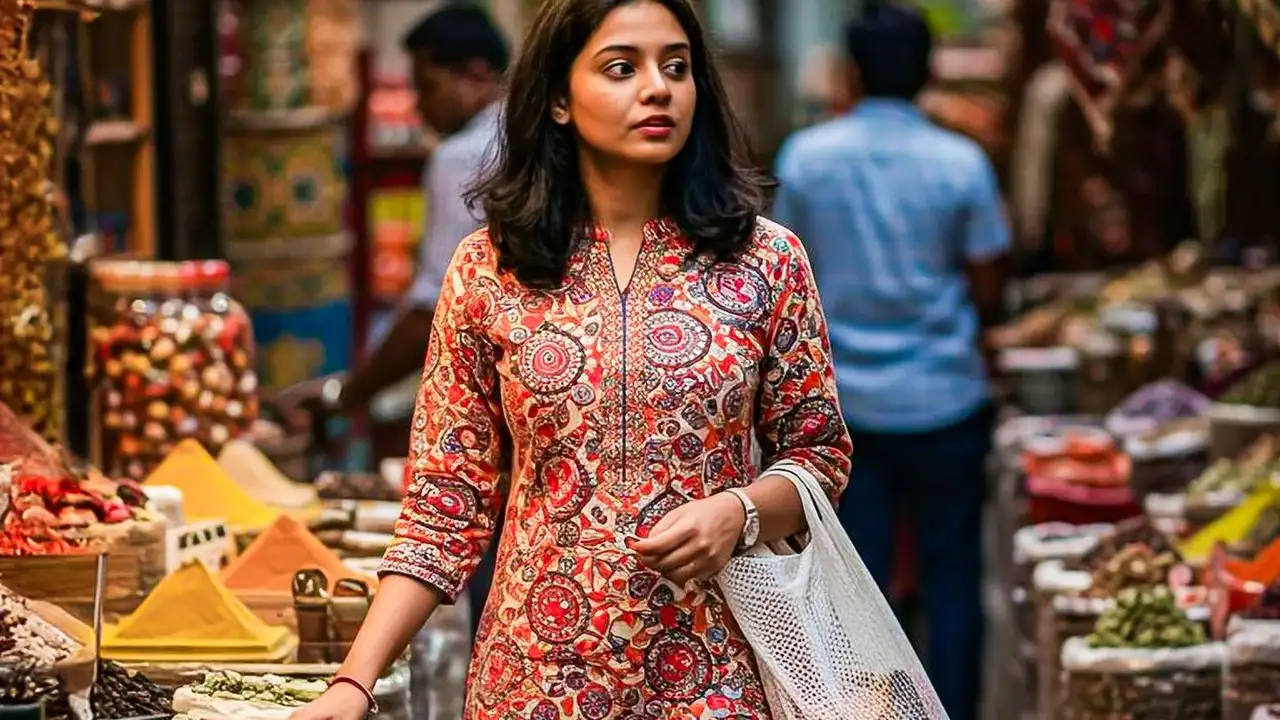
Perhaps the most significant draw of local markets is the experience itself. In a world of impersonal transactions and quick commerce, markets offer a space for human connection. They are community gathering places where neighbours meet, chat with vendors, and discover new things together. Strolling through a bustling market is a sensory experience—the smell of fresh spices, the vibrant colours of handwoven fabrics, the sound of friendly haggling. This social aspect is a powerful antidote to the isolation that can sometimes accompany urban living. It transforms shopping from a chore into a meaningful and enjoyable activity, reinforcing a sense of belonging and community. By choosing to support local markets, consumers are not just buying goods; they are investing in the social and cultural fabric of their cities.