





The New Pre-Submission Ritual
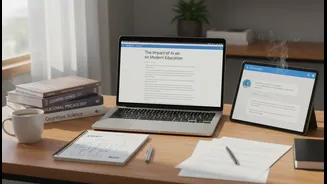
Across India, from bustling city campuses to remote online courses, a new habit is quietly taking root. Before a research paper or essay reaches a professor's inbox, it often makes a crucial detour through an AI platform. This isn't always about generating
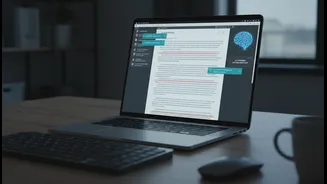
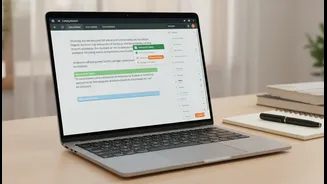
content from scratch. Instead, students are using a suite of AI-powered tools as a final quality control checkpoint. They use them to refine grammar and style, check for accidental plagiarism, and even assess how an AI detector might flag their own original work. A 2024 survey found that 86% of students are already using AI tools for academic tasks. This pre-submission check is becoming as standard as a final proofread, driven by a mix of high-stakes pressure and the sheer accessibility of powerful technology.
Why Students Are Turning to AI
The motivations behind this trend are more complex than simple academic dishonesty. For many, it's a defensive measure. With universities using sophisticated AI detection software like Turnitin, students are anxious about being falsely flagged. They use AI checkers to see their work through the 'eyes' of the software they will be judged by. Beyond fear, there's a genuine desire for improvement. Tools like Grammarly offer advanced suggestions on clarity and tone, acting like a 24/7 writing tutor. In a hyper-competitive academic environment, students see these tools as a way to level the playing field, polish their arguments, and submit the best possible version of their work, especially when juggling multiple deadlines and the pressure to secure high marks.
A Blurry Line: Help vs. Cheating
This new reality has created a significant ethical grey area. While using AI to correct a comma is widely accepted, where is the line drawn? Using an AI to rephrase a paragraph, summarise a complex source, or generate an outline blurs the boundary between assistance and academic misconduct. The University Grants Commission (UGC) has not yet issued a specific, binding regulation on AI, leaving its 2018 anti-plagiarism rules as the main guideline. This has prompted individual institutions to create their own policies. Many now state that using AI without disclosure is plagiarism, and some cap the allowable percentage of AI-generated content even with disclosure. For students, navigating this patchwork of rules can be confusing, as what is permissible in one course may be banned in another.
The University Response
Indian universities are grappling with this shift. Many professors report being alarmed by the misuse of AI, noting a disconnect between polished written work and a student's actual understanding during oral exams. In response, some are returning to traditional methods like in-class handwritten essays and oral quizzes. However, there is a broader movement towards adaptation rather than outright prohibition. A 2025 survey showed over half of Indian higher education institutions have AI policies, with many more developing them. Educators are being trained to use AI themselves and to design assignments that require critical thinking that AI cannot replicate, such as asking students to critique AI-generated text. The goal is shifting from catching cheaters to teaching responsible and ethical AI use, preparing students for a future where working alongside AI is the norm.