





South India: The Monsoon's Second Act
While most of India bids farewell to the southwest monsoon, the southern peninsula prepares for a second round. Forecasts indicate that the Northeast Monsoon is expected to commence over the southern regions, particularly affecting Tamil Nadu, Kerala,
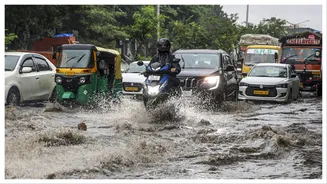
and the coastal areas of Andhra Pradesh. Travellers heading to these states, especially in the latter half of the month, should anticipate spells of rain and thunderstorms, with some forecasts pointing to heavy rainfall in isolated areas. While destinations like the backwaters of Kerala and the temples of Tamil Nadu will be lush and green, it's wise to pack waterproof gear and keep travel plans flexible. These rains are crucial for the region but can cause temporary disruptions for tourists.
Eastern Coast: On Cyclone Alert
The Bay of Bengal is a region to watch closely this October. Weather models indicate a likelihood of low-pressure systems forming over the Andaman Sea around the middle of the month. There is a possibility that one of these systems could intensify into a cyclonic storm, posing a potential threat to coastal states like Odisha, West Bengal, and Andhra Pradesh. While it's too early to predict the exact path or intensity, this is a typical pattern for the post-monsoon cyclone season. Travellers planning trips to coastal destinations such as Puri, Digha, or Visakhapatnam should diligently monitor weather updates from the India Meteorological Department (IMD) before and during their trip.
The Himalayas: Clear Views and Cool Nights
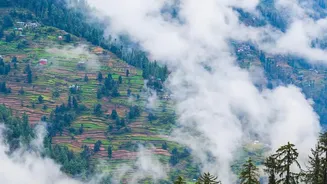
For mountain lovers, October is a prime month for the Himalayas. The withdrawal of the monsoon brings clear skies, crisp air, and stunning views of the snow-capped peaks in states like Himachal Pradesh and Uttarakhand. Destinations like Shimla, Manali, and Rishikesh are expected to have pleasant daytime weather, ideal for trekking, sightseeing, and adventure sports like river rafting. However, as the month progresses, temperatures will drop significantly, especially at night and at higher altitudes. Travellers should be prepared for cold conditions, and those venturing on high-altitude treks should be aware of the possibility of early snowfall. Scattered rainfall is also possible in the region through early October.
West and Central India: Your Safest Bet
If you're seeking guaranteed sunshine and dry weather, look no further than West and Central India. The southwest monsoon has fully withdrawn from states like Rajasthan, Gujarat, and Madhya Pradesh, leaving behind pleasant temperatures and clear, sunny days. This makes it the perfect time to explore the majestic forts of Jaipur and Jodhpur, the deserts of Jaisalmer, or the national parks of Madhya Pradesh. The infamous 'October heat' can still be felt in some coastal areas, but for the most part, the climate is ideal for sightseeing without the discomfort of rain or extreme humidity. This region stands out as a reliable and highly rewarding travel choice for the month.
Northeast India: A Lingering Farewell
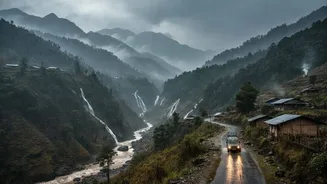
The monsoon often takes its time to fully retreat from Northeast India. States like Arunachal Pradesh, Assam, and Meghalaya may continue to experience lingering showers and thunderstorms, especially in the first half of October. While this means the landscapes, including the famous living root bridges of Meghalaya, will be exceptionally lush, it can also lead to travel challenges. Some remote roads may be affected by the wet conditions. The weather generally improves as the month wears on, but anyone planning a trip to this beautiful region should be prepared for some rain and build extra time into their itinerary to account for potential delays. Heavy rainfall has been recorded in Sub-Himalayan West Bengal, Assam, and Arunachal Pradesh in early October.