






A Courtyard Comes Alive
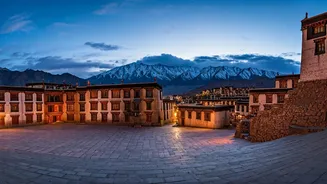
Every year, the sprawling courtyard of the 17th-century Hemis Monastery, Ladakh's largest, transforms into a grand stage. Thousands of people—local Ladakhis in traditional goncha and perak, spiritual pilgrims, and curious travellers from around the world—gather
under the crisp mountain sky. The air is thick with anticipation, the scent of burning juniper incense, and the low hum of shared excitement. Spectators line the balconies, rooftops, and every available inch of space, all facing the central square where a sacred story is about to unfold.
The Dance of Gods and Demons
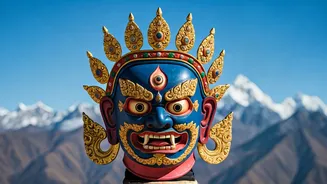
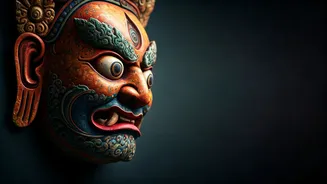
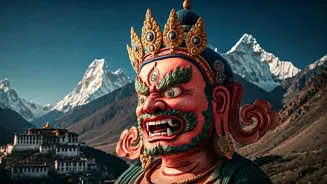
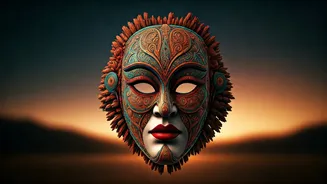
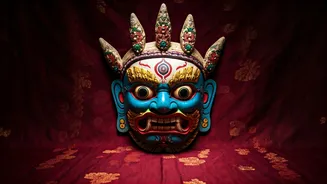
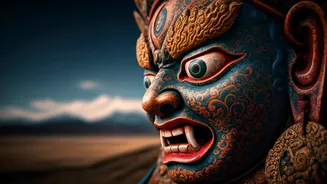
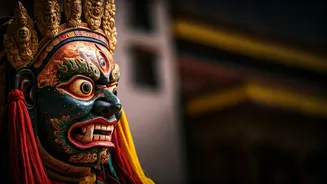
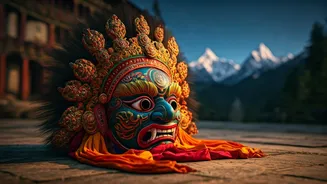
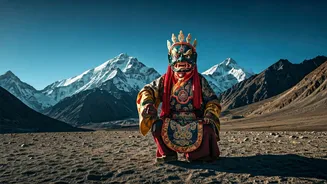
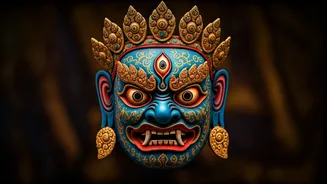
The heart of the Hemis Festival is the Cham dance, a mesmerising and deeply symbolic masked performance. Monks, transformed into deities and demons through elaborate masks and brilliant silk costumes, move in a slow, hypnotic rhythm. The dances are not mere entertainment; they are a form of meditation and a sacred ritual. Each gesture, each spin, reenacts the triumph of good over evil, depicting the life and mission of Guru Padmasambhava, the 8th-century sage credited with bringing Tantric Buddhism to the Himalayas. The clash of cymbals and the beat of drums dictate the pace, creating a powerful, otherworldly soundscape that seems to suspend time.
Honouring a Great Master
The two-day festival is a celebration of the birth anniversary of Guru Padmasambhava, also known as the 'Second Buddha'. His legacy is central to Tibetan Buddhism, and the festival serves as a powerful reminder of his teachings on compassion and wisdom. For the local community, this is a deeply spiritual occasion. The performances are believed to ward off evil spirits, bring blessings, and ensure prosperity for the coming year. It is a time for families to come together, reinforce their cultural identity, and renew their faith in a tradition that has been passed down through centuries.
More Than Just a Tourist Event
While the Hemis Festival has rightfully gained international fame, attracting significant crowds and becoming a highlight of the Ladakh tourist calendar, its core remains authentic. It is a living, breathing expression of Ladakhi culture. The 'huge culture crowds' are a mix of insiders and outsiders, but the focus remains squarely on the ritual. The commercial aspects are kept to the periphery, allowing the spiritual atmosphere to dominate. The presence of so many visitors also brings a vital economic boost to the region and fosters a cross-cultural exchange, where travellers are offered a rare window into the profound spirituality that defines this high-altitude desert.
The Pilgrim's Experience
For many attendees, the journey to Hemis is as important as the festival itself. The monastery is situated about 45 kilometres from Leh, a journey through the stark, stunning landscapes of the Indus valley. Arriving at the festival, visitors witness a spectacle that is both grand and intimate. They see the intricate details on a dancer's mask, the devotion on an elder's face, and the joy of children watching a tradition they will one day inherit. Every 12 years, the festival becomes even more significant with the ceremonial unfurling of a giant thangka, a silk appliqué scroll depicting Guru Padmasambhava, which covers the entire monastery facade and is believed to grant spiritual merit to all who view it.