



The Great Migration from Urban Chaos
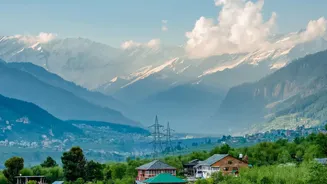
The dream of escaping city life is no longer just a fantasy for many Indian professionals. Spurred by the rise of remote work, freelancers, startup founders, and employees are trading cramped city apartments and polluted air for the crisp, clean atmosphere
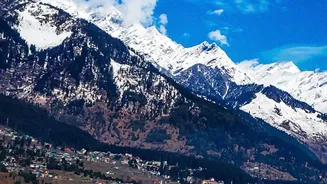
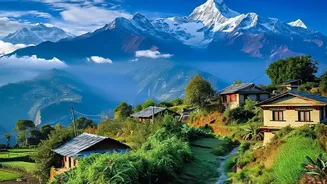
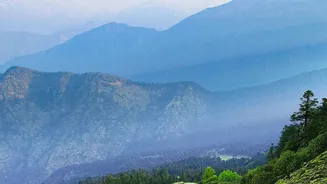
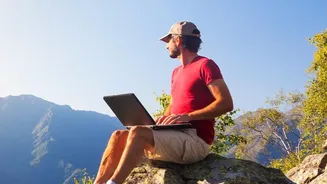
of the Himalayas. Towns like Dharamshala, Manali, and Bir are transforming from seasonal tourist spots into year-round hubs for digital nomads. This shift is driven by a desire to escape burnout and find a healthier work-life balance, where deadlines are met against a backdrop of snow-capped peaks and cedar forests instead of traffic jams and concrete towers. The appeal is simple: a better quality of life without sacrificing professional productivity.
Affordability: A Major Driving Factor
One of the most compelling reasons for this migration is the significant drop in the cost of living. Compared to metropolitan centres like Mumbai or Delhi, Himachal offers a lifestyle that is far more gentle on the wallet. For a single person, a comfortable monthly budget in a town like Dharamshala can range from ₹30,000 to ₹45,000, covering rent, food, and utilities. Accommodation options are plentiful and tailored for long stays, from private rooms in guesthouses for ₹12,000 a month to all-inclusive co-living spaces. Food expenses are also lower, especially for those who cook, with fresh local produce readily available. This financial relief allows freelancers to save money, invest in their businesses, or simply work less without financial stress.
Infrastructure Catches Up with Demand
The image of the mountains as a disconnected wilderness is rapidly becoming outdated. Key Himachali towns now boast surprisingly robust digital infrastructure. Reliable fibre internet with speeds of up to 100 Mbps is increasingly common in hubs like Bir and McLeod Ganj. This is complemented by strong 4G and even emerging 5G networks from providers like Jio and Airtel, which serve as a dependable backup. The ecosystem to support remote work has also blossomed. A plethora of work-friendly cafes, dedicated co-working spaces like Karyashaala and Bir Nest, and hostels engineered for digital nomads now cater to this growing community, offering power backup and ergonomic setups. This ensures that productivity doesn't suffer, even when the weather turns.
Lifestyle Beyond the Laptop
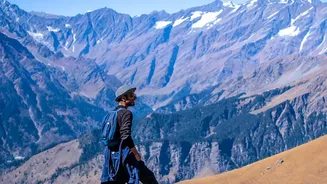
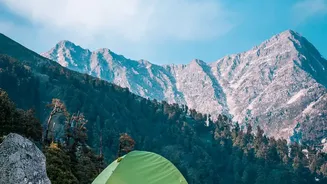
While affordability and internet are practical draws, the true reward is the lifestyle. The mountain environment offers a natural antidote to stress. The working day can be punctuated by forest walks, sips of tea overlooking a valley, or a yoga session. Weekends are for adventures, whether it's paragliding in Bir, trekking to Triund near Dharamshala, or simply exploring quiet riverside trails in the Tirthan or Parvati valleys. This proximity to nature enhances mental and physical well-being. Furthermore, these hubs foster a unique sense of community, where freelancers can connect with like-minded individuals from diverse fields, sharing ideas and experiences around a bonfire instead of a boardroom table.
The Practical Realities and Challenges
Despite the idyllic picture, a workation in the mountains isn't without its challenges. Unpredictable weather, especially during monsoon and heavy winter, can lead to power cuts and internet outages. While main hubs have good connectivity, it can be inconsistent in more remote villages. Accessibility can also be an issue, with some homestays located a significant walk from the main road. The slower pace of life requires a degree of self-discipline to stay focused on work, and feelings of isolation can creep in, particularly during the off-season. Successful mountain nomads learn to plan ahead, have backup systems like power banks and mobile data, and actively build a local support network.