




The Rise of the 'Destination Dupe'
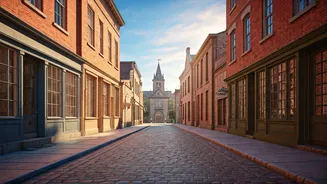
You’ve seen the videos: a stunning European-style city that’s actually in Quebec, or rolling green hills that look like Tuscany but are hidden in Oregon's wine country. Welcome to the era of the 'destination dupe.' This isn’t about settling for second
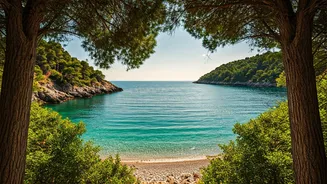
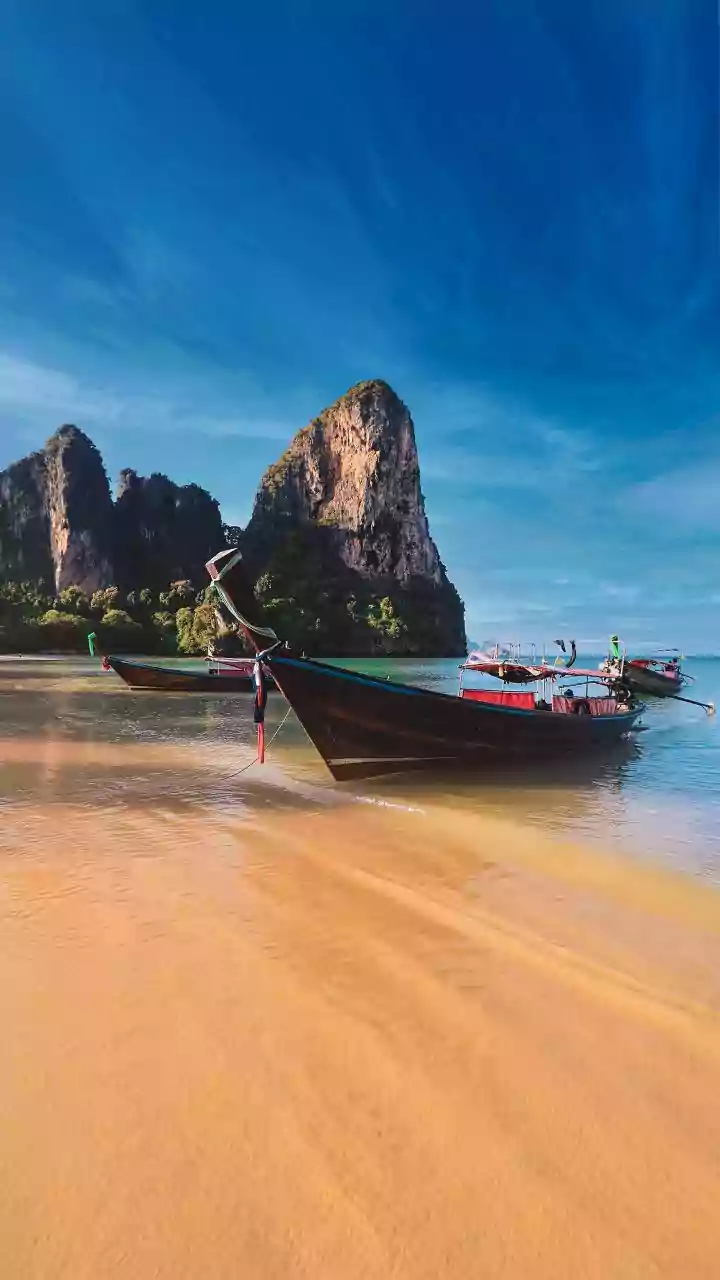
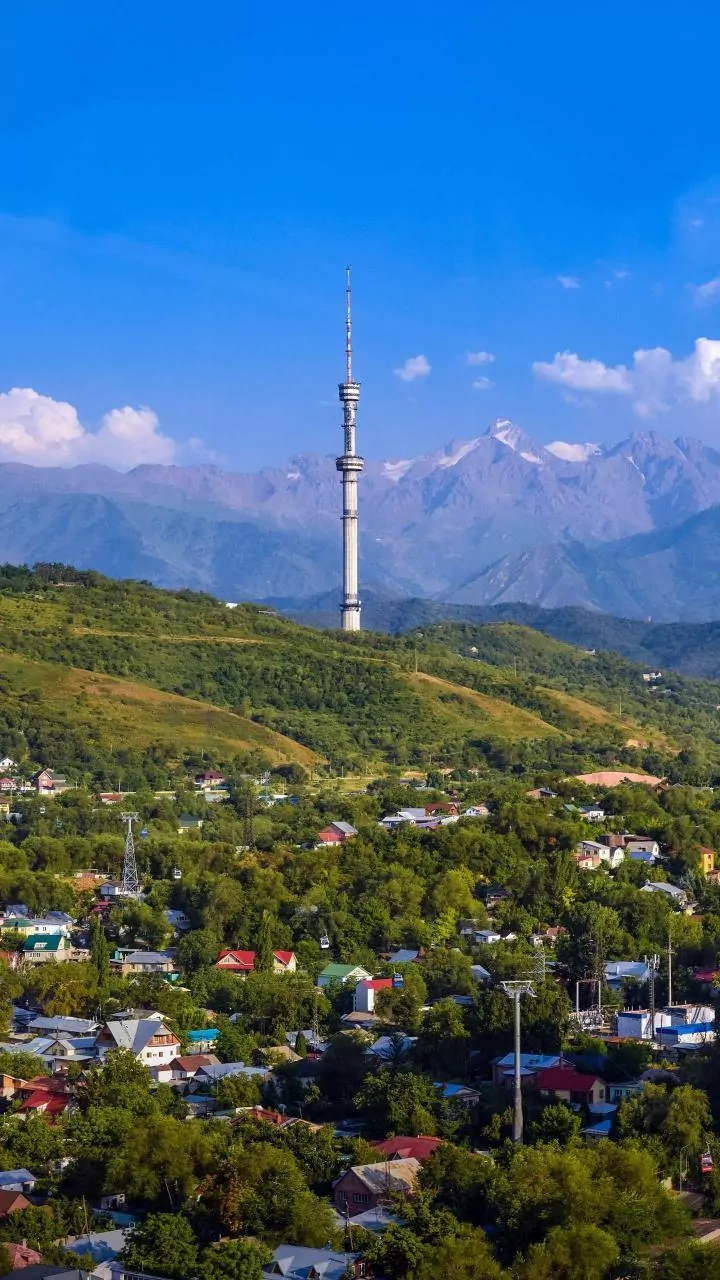
best; it’s a savvy strategy to get the vibe of a popular, often over-touristed hotspot without the crowds or the peak-season price tag. Travel platforms like Expedia have noted a massive surge in searches for these alternative locations. Instead of Santorini, travelers are exploring Paros. Instead of Amsterdam, they’re biking through the quieter canals of Ghent. It’s about capturing an essence—charming coastal town, historic city center, mountain retreat—in a place that still feels like a discovery, giving you more room to breathe and connect with the local culture.
Agritourism: Getting Your Hands Dirty
The farm-to-table movement has officially left the restaurant and checked into its own B&B. Agritourism, or farm stays, are exploding in popularity as people crave a tangible connection to their food and a slower pace of life. This goes way beyond a petting zoo. We're talking about staying in a beautifully restored barn in Vermont, learning to make cheese from the farm's own goats, or helping with the olive harvest on a family-run grove in California. It’s a vacation that feels productive and grounding. You’re not just passively observing a landscape; you’re participating in it. For many, it’s an antidote to digital burnout, swapping screen time for the simple, satisfying rhythm of working the land.
Unique Stays: Sleeping in a Story
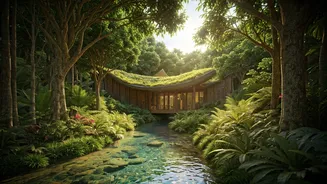
Why stay in a beige hotel room when you could sleep in a converted grain silo, a geodesic dome under the stars, or a vintage Airstream trailer with desert views? The demand for unique accommodations has skyrocketed, with platforms like Airbnb building entire categories around them. This trend is about making the lodging itself a central part of the adventure. It’s not just a place to sleep; it’s an experience. These quirky stays—from houseboats in Seattle to treehouses in the Blue Ridge Mountains—offer novelty and an instant conversation starter. They tap into a desire for childlike wonder and the chance to inhabit a different kind of life, even if just for a weekend. The hotel is no longer just the basecamp; it’s the destination.
The 'Nothing-cation': The Joy of Doing Less
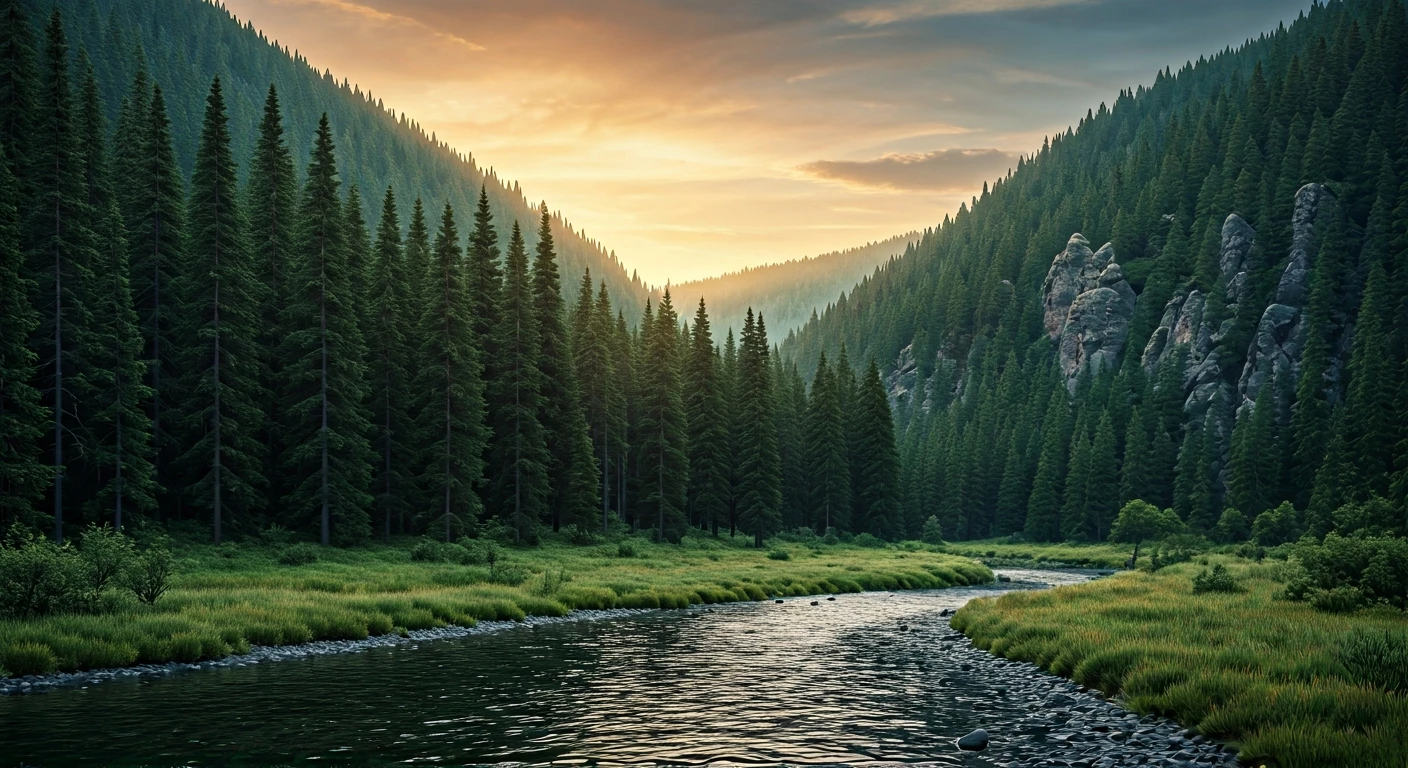
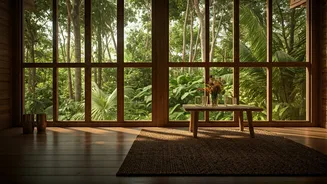
In a culture obsessed with productivity and jam-packed itineraries, the most radical offbeat escape might be the one where you do… nothing. The 'nothing-cation' is a deliberate rebellion against the pressure to optimize every moment of your time off. The goal isn't to see sights but to simply *be*. This often involves renting a remote cabin in the woods, a quiet cottage by a lake, or a minimalist desert home with no Wi-Fi and even less cell service. The agenda is simple: read a book, take a walk, cook a meal without rushing, and stare at the view. It’s a reset for the mind, trading tourist fatigue for genuine rest. This trend highlights a growing understanding that the true luxury isn't a five-star resort, but uninterrupted peace and quiet.
Skill-Based Travel: Bringing Home a New Talent
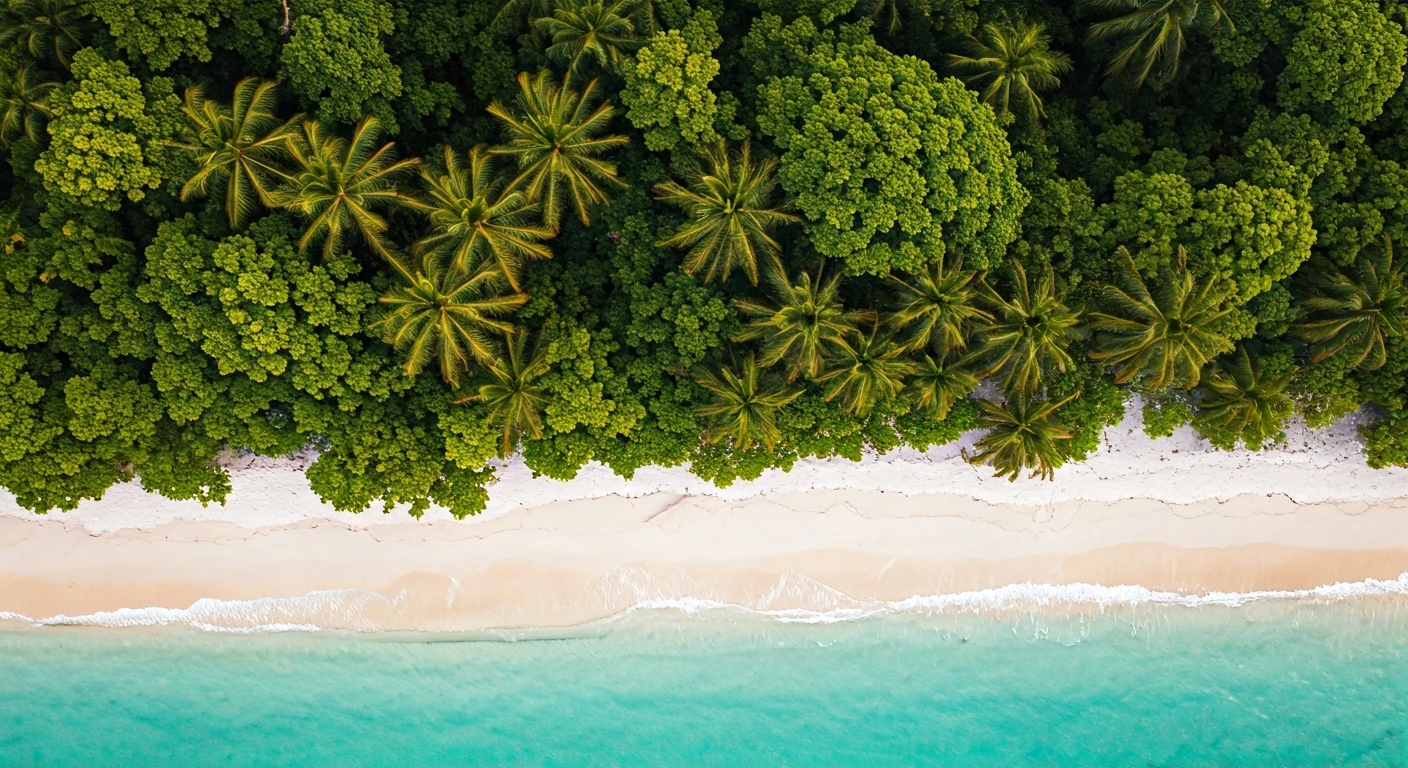
Souvenirs are great, but what if you could come home with a new skill? Skill-based travel wraps a vacation around a hands-on workshop or learning experience. Think of a week-long pasta-making course in a quiet Italian village, a photography workshop in a national park, or a surfing camp on a secluded stretch of coastline. These trips offer more than just relaxation; they provide a sense of purpose and accomplishment. They attract solo travelers and groups alike, bonding people over a shared interest. Instead of just consuming a culture, you’re actively learning a piece of it. It transforms a simple getaway into an investment in yourself, creating memories that are tied to personal growth, not just a location.