




The Allure and Trap of Bulk Buying
Walking through a wholesale club or seeing a 'buy one, get one free' offer triggers a satisfying feeling of resourcefulness. The idea of stocking up and saving money is a powerful motivator. However, this strategy can backfire significantly. The biggest
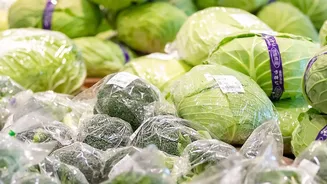
downside to bulk buying is the risk of waste. Perishable foods like fruits and vegetables might spoil before you can consume them, and even items with longer shelf lives can expire or lose their quality. Many households end up with cupboards full of items they rarely use or that go bad, turning potential savings into actual losses. The goal is to shift from impulsive, deal-driven purchases to intentional, data-driven stocking. This means understanding exactly what you need and how much you use before you even think about the price per unit.
Become Your Household's Shopping Detective
The first step to smarter bulk buying is to gather data. Your past purchases are a goldmine of information about your household's actual consumption patterns. Start by collecting your shopping receipts from the last two to three months. If you shop online or use a supermarket's loyalty program, your digital order history is an even more powerful tool. Look through these records and create a simple list of frequently purchased items. Note down products like rice, lentils, cooking oil, cleaning supplies, and toiletries. The goal is to get a clear, unbiased picture of what your family consistently uses, not what you aspire to use. This data provides the foundation for making accurate forecasts about your future needs.
Calculate Your Real Consumption Rate
Once you have a list of frequently bought items, the next step is to figure out your consumption rate. How long does it take your family to finish a 5kg bag of atta or a one-litre bottle of cooking oil? Look at the dates on your receipts or in your order history. If you bought a large bottle of shampoo on June 1st and another on July 15th, you know your household uses one bottle every six weeks. This simple calculation is crucial. It tells you whether buying a super-sized, 12-month supply is a smart move or a recipe for clutter and waste. For products like spices, which lose potency over time, or oils that can go rancid, this analysis is especially important to prevent you from stocking up on items that will degrade before you can use them.
Match Your Purchases to Your Storage Space
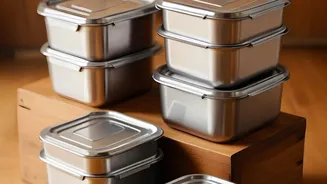
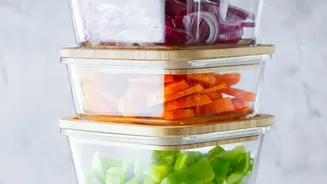
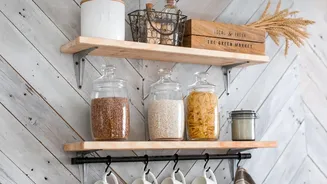
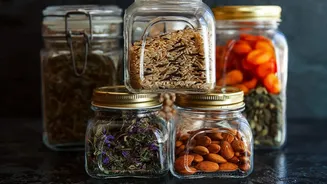
A common mistake in bulk shopping is underestimating the need for proper storage. A great deal is worthless if you get home and realise you have nowhere to put your purchases. Before you head to the store with a plan to buy in bulk, assess your pantry, fridge, and freezer space. Non-perishables like toilet paper or canned goods might just need a dry, cool cupboard. However, items like flour, nuts, and whole grains need airtight containers to protect them from pests and moisture. Buying a 20kg sack of rice only makes sense if you have a suitable bin to store it in. Planning your storage ahead of time prevents the frustration of cluttered countertops and potential food spoilage.
Create a 'Smart Bulk' Shopping List
Armed with data on your consumption rates and storage capacity, you can now build a truly effective bulk shopping list. Divide items into categories. First, 'Always-Bulk' items: these are non-perishables with a very long shelf life that you use consistently, such as paper products, cleaning supplies, dried beans, and canned goods. Second, 'Strategic-Bulk' items: these might be semi-perishable goods like rice, flour, oils, or coffee. Your consumption data will tell you the right bulk size to buy—perhaps a three-month supply is smarter than a one-year supply. Finally, 'Never-Bulk' items: this list should include highly perishable products, items you haven't tried before, and things that degrade quickly, like certain spices or skincare with active ingredients. This tiered approach ensures you get savings where it counts without risking waste.