




A Hub for a New Weaving Era
In a significant move to revitalise one of India's most vital cottage industries, the government has inaugurated the Centre of Excellence for Handloom Technology (CoE-HT) at the Indian Institute of Technology (IIT) Delhi. Launched on August 3, 2026, by
Union Minister of Textiles Giriraj Singh, this centre represents a deliberate fusion of ancient craftsmanship with modern innovation. With an initial investment of nearly Rs. 12 crore, the CoE-HT is designed to be a national hub for research and development. Its mission is to tackle some of the most persistent issues plaguing the sector by bringing together academics, technologists, designers, and the weavers themselves to create a stronger, more competitive handloom ecosystem.
The Challenge of Authenticity and Standards
For decades, the biggest threat to the handloom industry has been the proliferation of power loom products being passed off as genuine, hand-woven textiles. This not only dilutes the brand value of authentic handloom but also directly impacts the livelihoods of the over 3.5 million weavers and allied workers, a workforce that is nearly 70% female. While initiatives like the Handloom Mark scheme, launched in 2006, have provided a basic guarantee of authenticity for consumers, enforcement and awareness remain ongoing battles. The lack of standardised quality control makes it difficult for Indian handloom to compete effectively in a global market that demands consistency. The new Centre of Excellence aims to address this gap by creating systemic solutions that go beyond just a label, embedding quality control directly into the production process itself.
Weaving a High-Tech Future
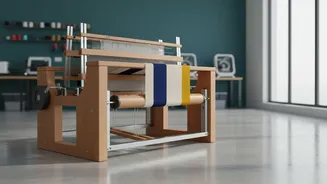
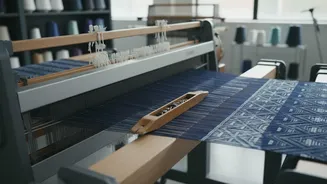
The CoE-HT at IIT Delhi is not just about policy; it's about practical, technological intervention. The centre will focus its research on several key areas poised to transform the industry. This includes loom modernisation and ergonomics to reduce physical strain on weavers and improve efficiency without losing the human touch. It will also leverage Artificial Intelligence (AI) to develop tools for design innovation and market analysis, helping weavers better predict trends and cater to contemporary tastes. Other focus areas include sustainability, functional innovation in fabrics, and the creation of a comprehensive digital knowledge system. Over the next five years, the centre aims to train at least 1,000 weavers, faculty, and industry professionals, ensuring these technological advancements reach the grassroots.
Five Pillars of Modernisation
To kickstart its mission, the Centre's inauguration also saw the launch of five flagship initiatives, each targeting a different aspect of the sector's value chain. 'Handloom 4.0' is a mobile app designed for the digital monitoring of loom productivity and quality control in real-time. 'Handloom e-Vidya' will serve as a digital learning platform, offering courses and resources to weavers across the country. 'HandloomX' is an accelerator program designed to incubate and support startups that are bringing innovative solutions to the sector. 'Kalagriha Handloom Studio' aims to connect contemporary consumer tastes with authentic handloom products, particularly targeting younger generations. Finally, 'Threads of Valour' is a sustainability initiative focused on promoting circularity and eco-friendly practices within the industry. Together, these initiatives form a comprehensive strategy for holistic development.
What This Means for Weavers and Buyers
Ultimately, the success of the Centre of Excellence will be measured by its real-world impact. For weavers, the integration of technology promises better productivity, improved market access, and potentially higher, more stable incomes. By addressing key challenges like technology adoption and traceability, the initiative aims to empower the artisans who are the custodians of this heritage. For consumers, this focus on standardisation and authenticity is a welcome development. It offers a greater assurance that when they invest in a handloom product, they are purchasing a genuine piece of craftsmanship with a verifiable origin and a guaranteed level of quality. This move strengthens the bond of trust between the creator and the customer, which is essential for the long-term health of the industry.