





The New Sleep Lexicon
If you’ve scrolled through TikTok or Instagram lately, you might have encountered a whole new language around bedtime. Terms like 'sleep syncing' (aligning your sleep schedule with your circadian rhythm), the 'sleepy girl mocktail' (a concoction of magnesium
powder, tart cherry juice, and sparkling water), and even 'mouth taping' have entered the wellness vernacular. This isn't your parents' glass of warm milk. Gen Z’s approach is about actively engineering the perfect night's rest, using a combination of supplements, gadgets, and specific techniques to enhance sleep quality, not just quantity. It’s a proactive, data-driven strategy to combat the anxieties of modern life, turning the bedroom into a bio-hacking lab.
A Response to Burnout Culture
This intense focus on sleep isn’t happening in a vacuum. It’s a direct response to a culture of hyper-productivity and constant connectivity that has left many young people feeling perpetually exhausted. Having grown up online, Gen Z is acutely aware of the mental and physical toll of being 'always on.' The pressure to perform at school, build a side hustle, and maintain a vibrant social life—all while being documented online—is immense. In this context, optimising sleep becomes an act of rebellion and self-preservation. It’s a way to reclaim control over their well-being in a world that often feels chaotic and demanding. By perfecting their sleep routines, they are investing in their most valuable asset: their own energy and mental clarity for the next day's hustle.
The Aesthetics of Rest
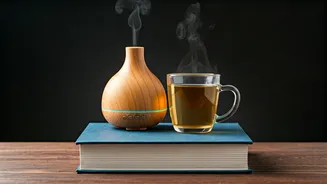
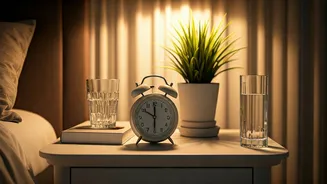
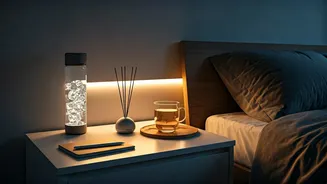
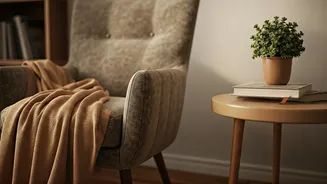
A key element of this glow-up is its visual appeal. The trend is propelled by social media, where a perfect sleep routine is as much about aesthetics as it is about effectiveness. Think beautifully arranged bedside tables with silk eye masks, aesthetically pleasing humidifiers puffing mist, a colour-coordinated journal, and the ruby-red 'sleepy girl mocktail' in a stylish glass. This visual component makes the trend shareable and aspirational. It transforms sleep from a private, mundane necessity into a public-facing wellness practice, similar to a skincare routine or a workout regimen. The 'glow-up' isn’t just about feeling better; it’s about creating a calming, Instagrammable ritual that signals a commitment to self-care.
What Do the Experts Think?
While the enthusiasm is new, some of the science isn’t. Sleep experts agree that consistency is key, which aligns with the principle of 'sleep syncing.' Dr. Meena Adhikari, a sleep medicine specialist, notes, “Aligning your sleep-wake cycle with your body’s natural clock is the cornerstone of good sleep hygiene.” The 'sleepy girl mocktail' also has some scientific backing; magnesium is known to have a calming effect on the nervous system, and tart cherry juice is a natural source of melatonin. However, experts urge caution with other trends. Mouth taping, for instance, can be dangerous for individuals with nasal congestion or sleep apnea. Similarly, while brown or pink noise can help some people, there’s no one-size-fits-all solution. The expert consensus is that while many of these trends encourage positive habits like winding down before bed, they shouldn’t replace proven medical advice for chronic sleep issues.
Ritual Over Results
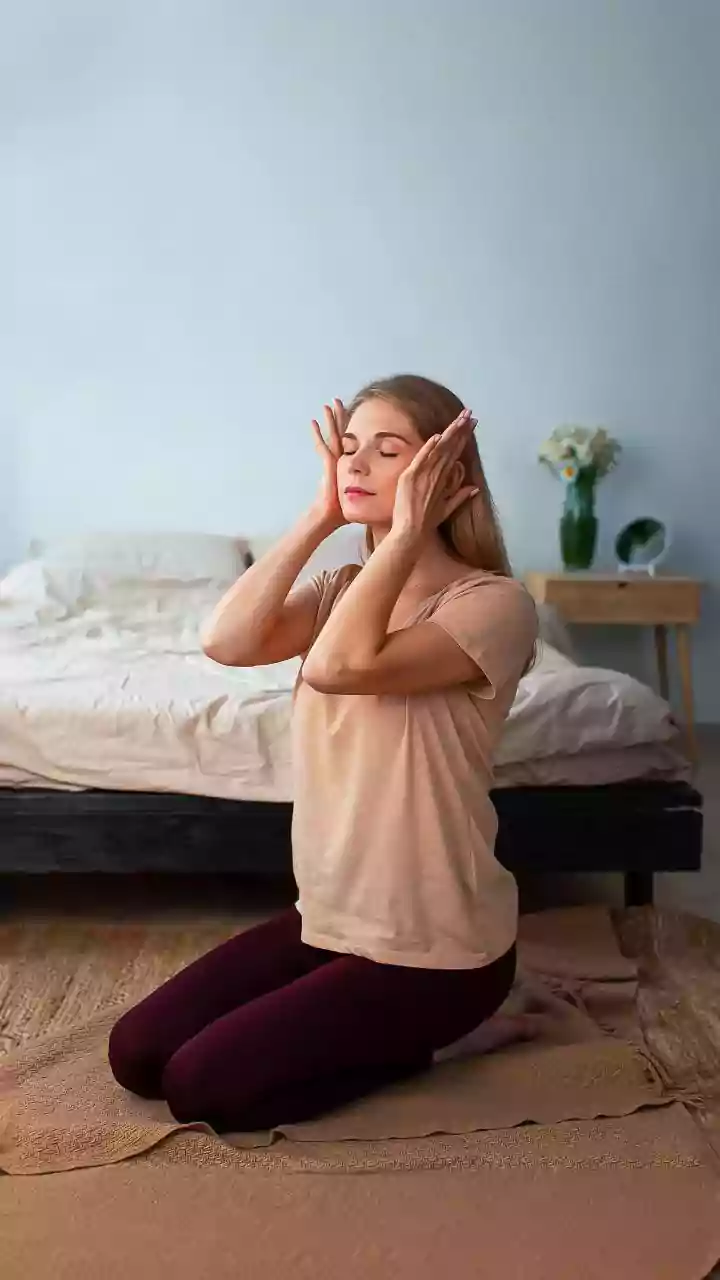
Ultimately, the power of Gen Z's sleep glow-up may lie less in the specific 'hacks' and more in the power of ritual itself. In an uncertain world, creating a predictable, calming, and personal end-of-day routine can be incredibly grounding. The act of mixing a specific drink, turning on a specific sound, or journaling before bed provides a sense of structure and control. It carves out a deliberate pause between a hectic day and the unconsciousness of sleep. Even if the scientific benefits of a particular trend are marginal, the psychological benefit of this intentional wind-down period is significant. It's a modern, mindful approach to preparing the body and mind for rest.